Call +(254) 703 030 000 / 751 483 999 / 721 704 777

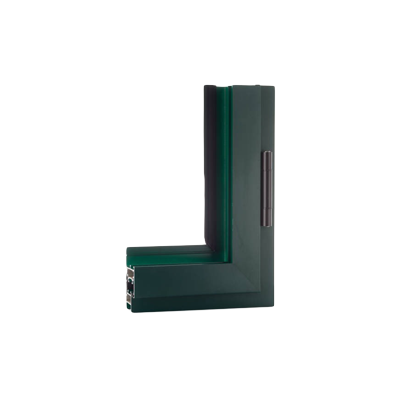
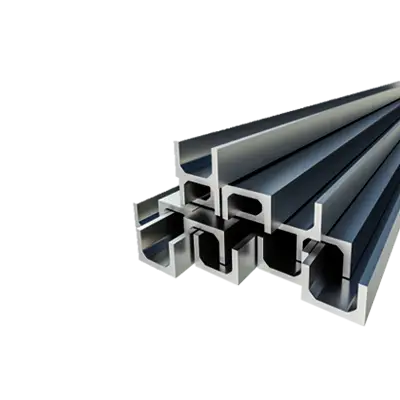
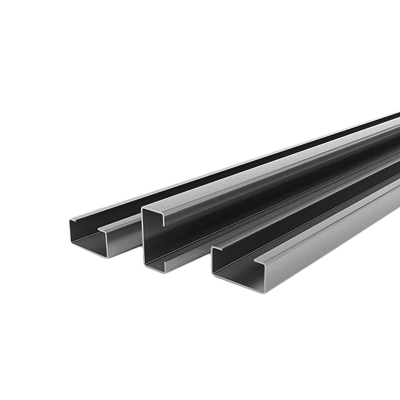
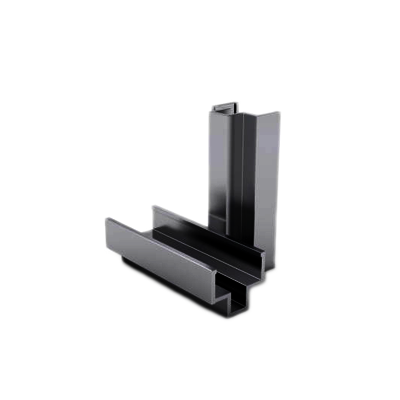
Showing 0 products
Frequently Asked Questions
What are special profiles in structural steel?
Special profiles in structural steel refer to non-standard shapes and cross-sections that are designed to meet specific engineering requirements or architectural aesthetics. Unlike standard profiles such as I-beams, H-beams, angles, and channels, special profiles are custom-made to suit particular applications. These profiles can include:
1. **Tapered Beams**: These have a varying depth along their length, providing strength where needed while reducing weight and material usage.
2. **Cellular Beams**: These are I-beams with circular or hexagonal holes in the web, reducing weight and allowing for the passage of services like pipes and cables.
3. **Curved Beams**: Used in structures requiring arches or circular shapes, these beams are bent to a specific radius.
4. **Hollow Structural Sections (HSS)**: These include square, rectangular, and circular tubes that offer high strength-to-weight ratios and are often used in architectural applications.
5. **Custom Extrusions**: These are profiles created through the extrusion process to meet unique design specifications, often used in façade systems or complex architectural elements.
6. **Castellated Beams**: Created by cutting and re-welding a standard beam to form a deeper section with a series of hexagonal openings, increasing the beam's depth and strength without adding weight.
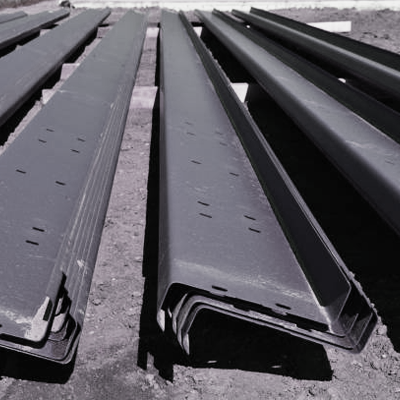
7. **T-sections and Z-sections**: These are used in specific applications like purlins and girts in metal building systems.
Special profiles are often used in projects where standard profiles do not meet the design criteria, such as in bridges, stadiums, high-rise buildings, and complex architectural structures. They offer advantages in terms of aesthetics, structural efficiency, and material savings, but may require more complex manufacturing processes and careful engineering analysis.
How are special profiles in structural steel manufactured?
Special profiles in structural steel are manufactured through a series of processes designed to shape steel into specific cross-sectional forms that meet unique engineering requirements. The primary methods include:
1. **Hot Rolling**: Steel billets or blooms are heated to a high temperature and passed through a series of rollers that gradually shape the steel into the desired profile. This process is suitable for producing large quantities of standard and custom profiles with consistent mechanical properties.
2. **Cold Forming**: Involves bending and shaping steel at room temperature using rollers or presses. This method is ideal for creating thinner profiles with precise dimensions and smooth finishes. Cold forming enhances the strength of the steel through work hardening.
3. **Extrusion**: Steel is forced through a die to create complex cross-sections. This process is less common for steel due to its high melting point but is used for specific applications requiring intricate shapes.
4. **Casting**: Molten steel is poured into molds to form complex profiles. This method is used for producing profiles with intricate geometries that are difficult to achieve through rolling or extrusion.
5. **Laser Cutting and Welding**: Steel plates are cut into specific shapes using laser technology and then welded together to form the desired profile. This method allows for high precision and customization.
6. **3D Printing**: Emerging technology in steel manufacturing, allowing for the creation of complex profiles layer by layer. It is suitable for prototypes and small production runs.
Each method is chosen based on the required profile complexity, production volume, and material properties. Quality control measures, such as dimensional inspections and mechanical testing, ensure the profiles meet the necessary standards and specifications.
What are the advantages of using special profiles in construction?
Special profiles in construction offer several advantages:
1. **Customization**: They can be tailored to meet specific design and structural requirements, allowing for unique architectural features and innovative designs.
2. **Structural Integrity**: Special profiles often enhance the strength and stability of structures, providing better load distribution and resistance to environmental stresses.
3. **Material Efficiency**: By optimizing the shape and size of profiles, material usage can be minimized, reducing waste and cost.
4. **Ease of Installation**: Pre-fabricated special profiles can simplify the construction process, reducing on-site labor and time.
5. **Aesthetic Appeal**: They offer diverse design possibilities, contributing to the visual appeal of buildings and structures.
6. **Durability**: Special profiles are often designed to withstand specific environmental conditions, enhancing the longevity of the construction.
7. **Versatility**: They can be used in various applications, from structural components to decorative elements, across different types of construction projects.
8. **Improved Performance**: Special profiles can enhance thermal, acoustic, and fire-resistant properties of buildings, contributing to better overall performance.
9. **Sustainability**: By optimizing resource use and improving energy efficiency, special profiles can contribute to more sustainable construction practices.
10. **Cost-Effectiveness**: Although the initial cost may be higher, the long-term savings in maintenance, energy, and material costs can make them economically advantageous.
11. **Innovation**: They enable the use of advanced materials and technologies, fostering innovation in construction methods and materials.
12. **Compliance**: Special profiles can help meet specific regulatory and safety standards, ensuring compliance with building codes and regulations.
In what types of projects are special profiles typically used?
Special profiles are typically used in projects that require unique structural or aesthetic characteristics. These include:
1. **Architectural Projects**: Special profiles are used in buildings with complex designs, such as curved facades, intricate roofing, or custom window frames, to achieve specific aesthetic or functional requirements.
2. **Infrastructure Projects**: Bridges, tunnels, and railways often use special profiles to meet specific engineering demands, such as load-bearing capabilities or aerodynamic properties.
3. **Automotive Industry**: In vehicle manufacturing, special profiles are used for components like chassis, frames, and body parts to enhance performance, reduce weight, and improve safety.
4. **Aerospace Projects**: Aircraft and spacecraft construction utilize special profiles for components that require high strength-to-weight ratios and precision, such as wings, fuselage sections, and support structures.
5. **Energy Sector**: Wind turbines, solar panel frames, and oil rigs use special profiles to withstand environmental stresses and optimize energy efficiency.
6. **Shipbuilding**: Special profiles are used in hull construction and internal frameworks to ensure durability and hydrodynamic efficiency.
7. **Furniture Design**: Custom furniture often incorporates special profiles for unique shapes and ergonomic designs.
8. **Industrial Machinery**: Special profiles are used in the construction of machinery frames and components to meet specific operational requirements and improve durability.
9. **Art Installations**: Artists and designers use special profiles to create sculptures and installations that require unique shapes and structural integrity.
10. **Medical Equipment**: Special profiles are used in the design of medical devices and equipment to meet precise specifications and ensure safety.
These projects benefit from the versatility, strength, and customization that special profiles offer, allowing for innovative solutions and enhanced performance.
How do special profiles differ from standard steel sections?
Special profiles differ from standard steel sections in several key ways:
1. **Customization**: Special profiles are custom-designed to meet specific requirements of a project, whereas standard steel sections are pre-defined shapes like I-beams, channels, and angles available in standard sizes.
2. **Design Flexibility**: Special profiles offer greater design flexibility, allowing for unique shapes and dimensions that are not possible with standard sections. This is beneficial for projects with unique architectural or structural needs.
3. **Material Efficiency**: Special profiles can be optimized for material usage, reducing waste and potentially lowering costs. They can be designed to provide the necessary strength and support with minimal material.
4. **Performance Optimization**: These profiles can be engineered to enhance performance characteristics such as load-bearing capacity, weight distribution, and resistance to environmental factors, tailored to specific applications.
5. **Manufacturing Process**: Special profiles often require advanced manufacturing techniques like hot rolling, cold forming, or extrusion, which can accommodate complex shapes and sizes. Standard sections are typically produced through more conventional methods.
6. **Cost**: While special profiles can be more expensive due to custom design and manufacturing processes, they can offer cost savings in the long run by reducing material waste and improving structural efficiency.
7. **Lead Time**: The production of special profiles may involve longer lead times due to the design and manufacturing processes involved, whereas standard sections are readily available.
8. **Application**: Special profiles are often used in specialized industries such as aerospace, automotive, and construction where specific performance criteria are critical. Standard sections are widely used in general construction and infrastructure projects.
In summary, special profiles provide tailored solutions for specific needs, offering advantages in design, efficiency, and performance, while standard steel sections provide readily available, cost-effective options for general use.
What fabrication techniques are used for special profiles?
Special profiles are fabricated using a variety of techniques, each chosen based on the material, complexity, and application requirements. Key techniques include:
1. **Extrusion**: Used for metals, plastics, and ceramics, extrusion involves forcing material through a die to create long profiles with uniform cross-sections. It's ideal for producing complex shapes with high precision.
2. **Roll Forming**: This continuous bending operation is used for metal profiles. A strip of metal is passed through a series of rollers, each performing incremental bending until the desired profile is achieved. It's efficient for high-volume production.
3. **Casting**: Suitable for complex and large profiles, casting involves pouring molten material into a mold where it solidifies. Techniques like sand casting, die casting, and investment casting are common, depending on the material and detail required.
4. **Forging**: This process involves shaping metal using localized compressive forces. It's used for creating strong profiles with excellent mechanical properties, often in aerospace and automotive industries.
5. **3D Printing (Additive Manufacturing)**: Ideal for complex and custom profiles, 3D printing builds objects layer by layer from materials like plastics, metals, and composites. It's highly flexible and allows for rapid prototyping and small-batch production.
6. **Laser Cutting and Welding**: For profiles requiring intricate designs or assembly, laser cutting provides precision, while laser welding joins components with minimal distortion.
7. **Machining**: CNC machining is used for profiles requiring high precision and fine details. It involves subtractive processes like milling, turning, and drilling.
8. **Hydroforming**: This technique uses high-pressure fluid to shape ductile metals into lightweight, structurally strong profiles, often used in automotive and aerospace applications.
Each technique offers unique advantages and is selected based on the specific requirements of the profile being fabricated.
What factors should be considered when designing special profiles for structural steel?
When designing special profiles for structural steel, several factors must be considered to ensure functionality, safety, and cost-effectiveness:
1. **Load Requirements**: Determine the types and magnitudes of loads the structure will bear, including dead loads, live loads, wind loads, and seismic forces.
2. **Material Properties**: Consider the mechanical properties of the steel, such as yield strength, tensile strength, ductility, and toughness, to ensure the profile can withstand the expected stresses.
3. **Cross-Sectional Shape**: Choose a shape that optimizes strength-to-weight ratio, such as I-beams, H-beams, or custom profiles, to efficiently carry loads while minimizing material use.
4. **Manufacturing Constraints**: Account for the capabilities and limitations of available manufacturing processes, such as rolling, welding, and cutting, to ensure the profile can be produced economically.
5. **Connection Design**: Design profiles with consideration for how they will be connected to other structural elements, ensuring ease of assembly and structural integrity.
6. **Buckling Resistance**: Evaluate the profile's susceptibility to buckling under compressive loads and design to mitigate this risk through appropriate cross-sectional dimensions and bracing.
7. **Deflection Limits**: Ensure the profile meets deflection criteria to prevent excessive bending or sagging under load, which could compromise structural performance or aesthetics.
8. **Corrosion Resistance**: Consider environmental factors and select appropriate coatings or treatments to protect against corrosion, especially in harsh or exposed environments.
9. **Fire Resistance**: Design profiles to meet fire safety standards, potentially incorporating fireproofing materials or coatings.
10. **Cost Efficiency**: Balance performance with cost, considering both material and fabrication expenses, to achieve an economical design.
11. **Sustainability**: Incorporate sustainable practices by selecting recyclable materials and minimizing waste during production.
12. **Aesthetic Considerations**: For visible structures, consider the visual impact and architectural requirements of the profile design.