Call +(254) 703 030 000 / 751 483 999 / 721 704 777


Showing 0 products
Frequently Asked Questions
What are specialized steel pipes?
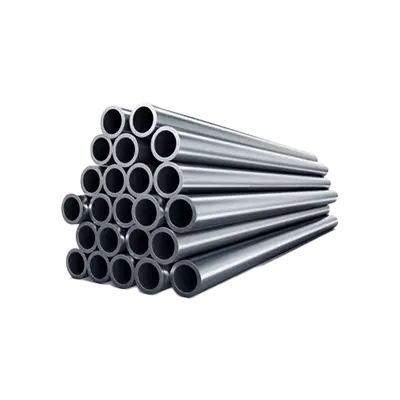
Specialized steel pipes are tailored to meet specific requirements and applications across various industries. Unlike standard steel pipes, these are designed with particular characteristics to handle unique conditions such as high pressure, extreme temperatures, or corrosive environments. They are often made from alloy steels, which include elements like chromium, nickel, or molybdenum, enhancing their strength, durability, and resistance to corrosion.
There are several types of specialized steel pipes, each serving distinct purposes:
1. **Seamless Pipes**: Manufactured without a weld seam, these pipes are ideal for high-pressure applications due to their uniform strength and structure.
2. **Welded Pipes**: Made by welding steel plates or coils, these are cost-effective and suitable for low to medium pressure applications.
3. **Stainless Steel Pipes**: Known for their corrosion resistance, these pipes are used in industries like food processing, pharmaceuticals, and petrochemicals.
4. **Duplex and Super Duplex Pipes**: These have a mixed microstructure of austenite and ferrite, offering superior strength and corrosion resistance, especially in harsh environments.
5. **High-Temperature Pipes**: Designed to withstand extreme heat, these are used in power plants and refineries.
6. **Cryogenic Pipes**: Suitable for extremely low temperatures, these are used in industries dealing with liquefied gases.
7. **Coated Pipes**: These have protective coatings to prevent corrosion and are used in water, oil, and gas pipelines.
Specialized steel pipes are crucial in sectors like oil and gas, chemical processing, construction, and automotive, where standard pipes may not suffice. Their customization in terms of material composition, size, and coating ensures optimal performance and longevity in demanding applications.
How are specialized steel pipes manufactured?
Specialized steel pipes are manufactured through a series of precise and controlled processes to meet specific requirements. The process begins with selecting the appropriate raw materials, typically high-quality steel billets or coils. These materials are then heated in a furnace to a temperature suitable for forming.
The next step is forming, where the heated steel is shaped into a pipe. This can be done through various methods such as seamless or welded techniques. In the seamless method, a solid billet is pierced to create a hollow tube, which is then elongated and shaped to the desired dimensions. In the welded method, steel sheets or strips are rolled into a cylindrical shape and welded along the seam.
After forming, the pipes undergo heat treatment to enhance their mechanical properties. This involves processes like annealing, quenching, and tempering, which improve strength, ductility, and resistance to corrosion.
The pipes are then subjected to various finishing processes. These include straightening, cutting to length, and surface treatment, such as galvanizing or coating, to protect against environmental factors.
Quality control is a critical aspect of manufacturing specialized steel pipes. Non-destructive testing methods, such as ultrasonic or radiographic testing, are employed to detect any defects or inconsistencies. Dimensional checks and pressure tests ensure the pipes meet the required specifications.
Finally, the pipes are marked with relevant information, such as size, material grade, and manufacturer details, before being packaged and shipped to customers. This comprehensive manufacturing process ensures that specialized steel pipes meet the stringent standards required for their intended applications.
What industries commonly use specialized steel pipes?
Industries that commonly use specialized steel pipes include:
1. **Oil and Gas Industry**: Utilizes steel pipes for drilling, transportation, and distribution of oil and natural gas. Specialized pipes are essential for withstanding high pressure and corrosive environments.
2. **Construction Industry**: Employs steel pipes in structural applications, such as scaffolding, building frameworks, and infrastructure projects like bridges and tunnels, due to their strength and durability.
3. **Automotive Industry**: Uses steel pipes in the manufacturing of vehicle components, including exhaust systems, chassis, and hydraulic lines, where precision and strength are crucial.
4. **Petrochemical Industry**: Requires specialized steel pipes for transporting chemicals and gases. These pipes must resist corrosion and high temperatures.
5. **Power Generation Industry**: Utilizes steel pipes in power plants for steam and water conveyance, especially in nuclear and thermal power plants, where high pressure and temperature resistance are necessary.
6. **Water and Sewage Industry**: Uses steel pipes for water supply and sewage systems due to their ability to handle high pressure and resist corrosion.
7. **Aerospace Industry**: Employs specialized steel pipes in aircraft manufacturing for hydraulic systems and fuel lines, where lightweight and high-strength materials are essential.
8. **Food and Beverage Industry**: Utilizes stainless steel pipes for processing and transporting food products, as they are hygienic and resistant to corrosion.
9. **Pharmaceutical Industry**: Requires specialized steel pipes for the production and transport of pharmaceutical products, ensuring contamination-free and sterile conditions.
10. **Mining Industry**: Uses steel pipes for slurry transport, ventilation, and water management, where durability and resistance to abrasion are critical.
These industries rely on the unique properties of specialized steel pipes, such as strength, corrosion resistance, and the ability to withstand extreme conditions, to meet their specific operational needs.
What are the benefits of using specialized steel pipes?
Specialized steel pipes offer numerous benefits across various industries due to their unique properties and tailored applications.
1. **Durability and Strength**: Specialized steel pipes are designed to withstand high pressure, temperature, and corrosive environments, making them ideal for demanding applications such as oil and gas, chemical processing, and power generation.
2. **Corrosion Resistance**: Many specialized steel pipes are treated or alloyed with elements like chromium, nickel, or molybdenum to enhance their resistance to rust and corrosion, extending their lifespan and reducing maintenance costs.
3. **Versatility**: These pipes can be customized in terms of size, thickness, and material composition to meet specific requirements, making them suitable for a wide range of applications, from construction to automotive industries.
4. **Thermal Resistance**: Specialized steel pipes can maintain their structural integrity under extreme temperatures, which is crucial for industries that involve high-temperature processes, such as petrochemical and aerospace sectors.
5. **Cost-Effectiveness**: Although the initial cost may be higher, the longevity and reduced need for repairs or replacements make specialized steel pipes a cost-effective solution in the long run.
6. **Safety**: The strength and reliability of specialized steel pipes contribute to safer operations, particularly in industries where leaks or failures could have catastrophic consequences.
7. **Environmental Benefits**: Steel is recyclable, and using specialized steel pipes can contribute to sustainability efforts by reducing waste and the need for frequent replacements.
8. **Improved Flow Characteristics**: Some specialized steel pipes are designed with smooth interiors to reduce friction and improve the flow of fluids, enhancing efficiency in systems like water supply and sewage.
9. **Compliance with Standards**: These pipes often meet or exceed industry standards and regulations, ensuring quality and reliability in critical applications.
How do specialized steel pipes differ from standard pipes?
Specialized steel pipes differ from standard pipes in several key aspects:
1. **Material Composition**: Specialized pipes often use specific steel alloys tailored for particular applications, enhancing properties like corrosion resistance, strength, or temperature tolerance. Standard pipes typically use more common steel grades.
2. **Manufacturing Process**: Specialized pipes may undergo advanced manufacturing processes such as seamless production, heat treatment, or surface coating to meet stringent requirements. Standard pipes are usually produced using more conventional methods.
3. **Design Specifications**: Specialized pipes are designed to meet specific industry standards or project requirements, such as those in the oil and gas, chemical, or nuclear industries. They may have unique dimensions, wall thicknesses, or shapes. Standard pipes follow general industry standards and are more uniform in design.
4. **Performance Characteristics**: Specialized pipes are engineered to perform under specific conditions, such as high pressure, extreme temperatures, or corrosive environments. They often have enhanced mechanical properties compared to standard pipes.
5. **Testing and Certification**: Specialized pipes undergo rigorous testing and certification processes to ensure they meet the required performance standards. This can include non-destructive testing, pressure testing, and certification by industry bodies. Standard pipes may have less stringent testing requirements.
6. **Cost**: Due to the advanced materials, manufacturing processes, and testing involved, specialized pipes are generally more expensive than standard pipes.
7. **Applications**: Specialized pipes are used in niche applications where specific performance criteria are critical, such as in aerospace, deep-sea exploration, or high-temperature industrial processes. Standard pipes are used in more general applications like plumbing, construction, and basic infrastructure.
These differences ensure that specialized steel pipes can meet the demanding requirements of specific applications, whereas standard pipes are suitable for more general use.
What materials are used in the production of specialized steel pipes?
Specialized steel pipes are produced using a variety of materials and processes to meet specific requirements such as strength, corrosion resistance, and temperature tolerance. The primary material is steel, which is an alloy of iron and carbon. The carbon content typically ranges from 0.1% to 1.5%, influencing the hardness and ductility of the steel.
1. **Alloying Elements**:
- **Chromium**: Enhances corrosion resistance and increases hardness.
- **Nickel**: Improves toughness and resistance to impact and corrosion.
- **Molybdenum**: Increases strength, hardenability, and resistance to wear and corrosion.
- **Vanadium**: Enhances strength and wear resistance.
- **Tungsten**: Increases hardness and heat resistance.
- **Manganese**: Improves tensile strength and wear resistance.
- **Silicon**: Enhances strength and magnetic properties.
2. **Coatings and Linings**:
- **Galvanization**: Applying a zinc coating to prevent rusting.
- **Epoxy Coatings**: Provide additional corrosion resistance.
- **Polyethylene or Polypropylene Linings**: Used for chemical resistance and to prevent corrosion.
3. **Heat Treatment**:
- Processes like annealing, quenching, and tempering are used to alter the mechanical properties of the steel, enhancing its performance for specific applications.
4. **Manufacturing Processes**:
- **Seamless Pipes**: Made by extrusion or rotary piercing, offering high strength and uniformity.
- **Welded Pipes**: Formed by welding steel plates or coils, suitable for lower pressure applications.
5. **Specialized Additives**:
- **Boron**: Used in small amounts to increase hardenability.
- **Copper**: Enhances corrosion resistance, especially in marine environments.
These materials and processes are selected based on the intended application of the steel pipes, such as in the oil and gas industry, chemical processing, or construction, ensuring they meet the necessary standards and performance criteria.
How do specialized steel pipes enhance performance in extreme conditions?
Specialized steel pipes enhance performance in extreme conditions through several key attributes:
1. **Material Composition**: These pipes are often made from high-grade alloys, including chromium, nickel, and molybdenum, which improve their strength, corrosion resistance, and ability to withstand high temperatures and pressures.
2. **Corrosion Resistance**: In harsh environments, such as offshore drilling or chemical processing, specialized coatings or stainless steel compositions prevent rust and degradation, ensuring longevity and reliability.
3. **Temperature Tolerance**: Specialized steel pipes can endure extreme temperatures, both high and low, without losing structural integrity. This is crucial in applications like power plants or cryogenic processes.
4. **Pressure Handling**: Enhanced tensile strength allows these pipes to withstand high-pressure environments, such as deep-sea oil extraction or high-pressure steam systems, reducing the risk of leaks or bursts.
5. **Flexibility and Ductility**: Certain steel alloys provide flexibility, allowing pipes to absorb shocks and vibrations, which is essential in seismic zones or areas with heavy machinery.
6. **Weldability and Fabrication**: Advanced steel pipes are designed for ease of welding and fabrication, ensuring secure joints and custom configurations for specific applications.
7. **Fatigue Resistance**: These pipes are engineered to resist fatigue from cyclic loading, which is common in applications like automotive exhaust systems or hydraulic systems.
8. **Abrasion Resistance**: In environments with high particulate flow, such as mining or slurry transport, specialized coatings or hardened surfaces prevent wear and tear.
9. **Regulatory Compliance**: They often meet stringent industry standards and certifications, ensuring safety and performance in critical applications.
By incorporating these features, specialized steel pipes provide enhanced durability, safety, and efficiency, making them indispensable in extreme conditions across various industries.