Call +(254) 703 030 000 / 751 483 999 / 721 704 777

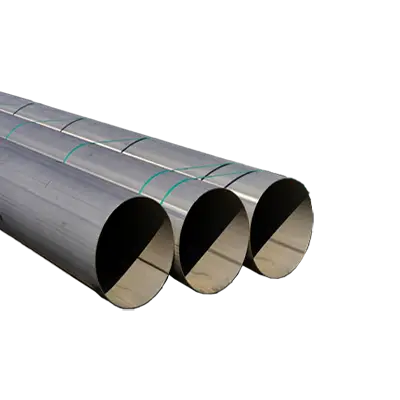
Showing 0 products
Frequently Asked Questions
What are the benefits of using polyethylene-coated steel products?
Polyethylene-coated steel products offer several benefits:
1. **Corrosion Resistance**: The polyethylene coating acts as a barrier, protecting the steel from moisture, chemicals, and environmental elements that can cause rust and corrosion.
2. **Durability**: The coating enhances the steel's durability, making it suitable for harsh environments and extending the product's lifespan.
3. **Chemical Resistance**: Polyethylene is resistant to a wide range of chemicals, making coated steel ideal for use in chemical plants and other industrial applications.
4. **Impact Resistance**: The coating provides an additional layer of protection against physical impacts, reducing the risk of dents and scratches.
5. **Low Maintenance**: The protective layer reduces the need for frequent maintenance and repairs, saving time and costs over the product's life.
6. **Aesthetic Appeal**: Polyethylene coatings can be applied in various colors, improving the visual appeal of the steel products and allowing for customization.
7. **Thermal Insulation**: The coating offers some degree of thermal insulation, which can be beneficial in applications where temperature control is important.
8. **Non-Toxic and Safe**: Polyethylene is non-toxic, making it safe for use in applications involving food and water.
9. **Cost-Effective**: While the initial cost may be higher, the extended lifespan and reduced maintenance costs make polyethylene-coated steel a cost-effective choice in the long run.
10. **Versatility**: These products can be used in a wide range of applications, including construction, automotive, and infrastructure projects.
11. **Environmental Resistance**: The coating provides excellent resistance to UV rays and weathering, making it suitable for outdoor use.
Overall, polyethylene-coated steel products combine the strength of steel with the protective benefits of polyethylene, offering a versatile and reliable solution for various applications.
How is polyethylene coating applied to steel products?
Polyethylene coating is applied to steel products through a process called extrusion coating. This involves several key steps:
1. **Surface Preparation**: The steel surface is cleaned thoroughly to remove any dirt, oil, or rust. This is typically done using chemical cleaning agents or abrasive blasting to ensure proper adhesion of the polyethylene.
2. **Priming**: A primer is applied to the cleaned steel surface. This primer acts as an adhesive layer that enhances the bonding between the steel and the polyethylene coating.
3. **Extrusion Coating**: Polyethylene is melted and extruded through a die to form a thin film. The molten polyethylene is then applied directly onto the primed steel surface. The steel is passed through a nip roll system where the polyethylene film is pressed onto the steel, ensuring uniform coverage and adhesion.
4. **Cooling**: After the polyethylene is applied, the coated steel is rapidly cooled using air or water quenching. This solidifies the polyethylene, forming a durable and protective layer over the steel.
5. **Inspection and Quality Control**: The coated steel is inspected for any defects such as pinholes, uneven coating, or poor adhesion. Quality control measures ensure that the coating meets the required specifications and standards.
6. **Curing (if necessary)**: In some cases, the coated steel may undergo a curing process to enhance the properties of the polyethylene coating, such as its hardness and resistance to environmental factors.
This process results in a steel product with a protective polyethylene layer that offers enhanced corrosion resistance, improved durability, and a smooth finish.
What are the common applications of PE-coated steel long products?
PE-coated steel long products are commonly used in various applications due to their enhanced durability, corrosion resistance, and aesthetic appeal. Here are some of the common applications:
1. **Construction Industry**: PE-coated steel is widely used in construction for structural components such as beams, columns, and girders. The coating provides protection against environmental factors, extending the lifespan of the structures.
2. **Infrastructure Projects**: These products are used in bridges, tunnels, and highways. The PE coating helps in resisting corrosion from moisture and pollutants, ensuring the longevity of infrastructure.
3. **Pipelines**: In the oil and gas industry, PE-coated steel pipes are used for transporting fluids. The coating prevents corrosion from the transported substances and external environmental conditions.
4. **Automotive Industry**: PE-coated steel is used in the manufacturing of automotive parts, including frames and chassis. The coating provides a protective layer against rust and enhances the vehicle's durability.
5. **Marine Applications**: Due to their resistance to saltwater corrosion, PE-coated steel products are used in shipbuilding and for constructing docks and piers.
6. **Agricultural Equipment**: The durability and resistance to harsh chemicals make PE-coated steel suitable for agricultural machinery and storage facilities.
7. **Energy Sector**: In renewable energy projects, such as wind turbines and solar panel structures, PE-coated steel is used for its strength and resistance to environmental degradation.
8. **Telecommunications**: Towers and masts for telecommunications often use PE-coated steel to withstand weather conditions and ensure structural integrity.
9. **Fencing and Barriers**: PE-coated steel is used for fencing, railings, and barriers due to its aesthetic finish and resistance to weathering.
10. **Industrial Equipment**: Machinery and equipment in industrial settings often use PE-coated steel for its protective properties against wear and tear.
These applications leverage the benefits of PE-coated steel, including its protective qualities, strength, and versatility, making it a preferred choice across various industries.
How does polyethylene coating improve the durability of steel?
Polyethylene coating enhances the durability of steel by providing a protective barrier that shields the metal from environmental factors that can cause degradation. This thermoplastic polymer is highly resistant to moisture, chemicals, and UV radiation, which are common contributors to steel corrosion and wear.
Firstly, polyethylene acts as a moisture barrier, preventing water and oxygen from reaching the steel surface. This is crucial because the presence of water and oxygen is necessary for the electrochemical reactions that lead to rust formation. By blocking these elements, polyethylene significantly reduces the risk of corrosion.
Secondly, polyethylene is chemically inert, meaning it does not react with most acids, bases, and salts. This property protects the steel from chemical attacks in harsh environments, such as industrial or marine settings, where exposure to corrosive substances is common.
Additionally, polyethylene has excellent UV resistance, which prevents degradation from sunlight exposure. UV rays can cause some coatings to break down over time, but polyethylene maintains its integrity, ensuring long-term protection for the steel.
The coating also provides a physical barrier against abrasion and mechanical damage. Its flexibility and toughness absorb impacts and resist scratches, which can otherwise expose the steel to corrosive elements.
Furthermore, polyethylene coating is applied uniformly, ensuring consistent coverage and protection across the entire steel surface. This uniformity eliminates weak spots that could be vulnerable to corrosion.
Overall, polyethylene coating extends the lifespan of steel by protecting it from moisture, chemicals, UV radiation, and physical damage, making it a cost-effective solution for enhancing steel durability in various applications.
Can PE-coated steel products be used in high-temperature environments?
PE-coated steel products are generally not suitable for high-temperature environments. Polyethylene (PE) is a thermoplastic polymer that has a relatively low melting point, typically around 120-130°C (248-266°F). When exposed to temperatures approaching or exceeding this range, PE can soften, deform, or even melt, compromising the integrity of the coating and the underlying steel.
In high-temperature environments, the PE coating may lose its protective properties, leading to potential issues such as:
1. **Degradation**: The coating can degrade, resulting in loss of adhesion and protective qualities, exposing the steel to corrosion and other environmental factors.
2. **Thermal Expansion**: Differential thermal expansion between the steel and the PE coating can cause cracking or delamination, further reducing the effectiveness of the coating.
3. **Chemical Breakdown**: At elevated temperatures, PE can undergo chemical changes that may alter its physical properties, making it brittle or less effective as a barrier.
For applications involving high temperatures, alternative coatings or materials should be considered. Options such as ceramic coatings, high-temperature paints, or other polymers with higher thermal resistance (e.g., PTFE, PEEK) may be more appropriate. Additionally, stainless steel or other heat-resistant alloys might be used instead of PE-coated steel to ensure durability and performance in such environments.
In summary, while PE-coated steel products offer excellent protection in many applications, they are not recommended for high-temperature environments due to the limitations of polyethylene's thermal stability.
What are the maintenance requirements for PE-coated steel products?
PE-coated steel products require regular maintenance to ensure longevity and performance. Key maintenance requirements include:
1. **Regular Cleaning**: Clean the surface with mild soap and water to remove dirt, dust, and pollutants. Avoid abrasive cleaners that can damage the coating.
2. **Inspection**: Conduct periodic inspections for signs of damage, such as scratches, peeling, or corrosion. Early detection can prevent further deterioration.
3. **Repair**: Address any damage promptly. Small scratches can be repaired with touch-up paint, while more significant damage may require professional recoating.
4. **Protection**: Apply a protective wax or sealant periodically to enhance the coating's resistance to environmental factors.
5. **Avoid Harsh Chemicals**: Do not use strong acids, alkalis, or solvents that can degrade the PE coating.
6. **Environmental Considerations**: If installed in harsh environments (e.g., coastal areas), increase the frequency of cleaning and inspections due to higher exposure to corrosive elements.
7. **Temperature Control**: Avoid exposing the coated steel to extreme temperatures, which can cause the coating to crack or peel.
8. **Storage**: Store unused PE-coated steel products in a dry, covered area to prevent moisture accumulation and UV exposure.
9. **Handling**: Use care when handling to prevent scratches or dents that can compromise the coating.
10. **Documentation**: Keep records of maintenance activities to track the condition and performance of the coating over time.
By adhering to these maintenance practices, the integrity and appearance of PE-coated steel products can be preserved, ensuring they remain functional and aesthetically pleasing for an extended period.
Are there any environmental concerns associated with polyethylene-coated steel?
Yes, there are several environmental concerns associated with polyethylene-coated steel:
1. **Production Impact**: The production of polyethylene involves the use of fossil fuels, primarily natural gas and petroleum, which contributes to greenhouse gas emissions and environmental degradation.
2. **Non-Biodegradability**: Polyethylene is not biodegradable, leading to long-term environmental persistence. When polyethylene-coated steel products are discarded, the polyethylene layer can contribute to plastic pollution.
3. **Recycling Challenges**: The combination of polyethylene and steel complicates recycling processes. Separating the two materials is often not economically feasible, leading to reduced recycling rates and increased landfill waste.
4. **Microplastic Formation**: Over time, polyethylene can degrade into microplastics, which can enter ecosystems and pose risks to wildlife and potentially human health.
5. **Toxic Emissions**: During the incineration of polyethylene-coated steel, toxic substances such as dioxins and furans can be released, contributing to air pollution and health hazards.
6. **Resource Depletion**: The extraction and processing of raw materials for both polyethylene and steel contribute to resource depletion and environmental degradation, including habitat destruction and water pollution.
7. **End-of-Life Disposal**: Improper disposal of polyethylene-coated steel can lead to environmental contamination. Landfilling can result in leachate formation, while incineration can release harmful emissions.
8. **Chemical Additives**: Polyethylene may contain additives like plasticizers and stabilizers, which can leach into the environment and pose ecological and health risks.
Addressing these concerns requires improved recycling technologies, development of biodegradable alternatives, and policies promoting sustainable production and disposal practices.