Call +(254) 703 030 000 / 751 483 999 / 721 704 777

Showing 0 products
Frequently Asked Questions
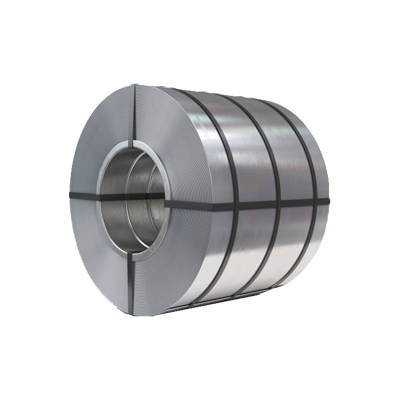
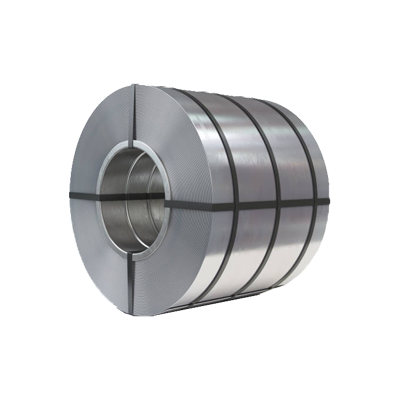
What is hot-rolled steel coil?
Hot-rolled steel coil is a type of steel product that is produced through a process of rolling steel at high temperatures, typically over 1,700°F (927°C), which is above the recrystallization temperature of most steels. This process involves passing the steel through a series of rollers to achieve the desired thickness and shape. The high temperature allows the steel to be easily shaped and formed, resulting in a product that is more malleable and easier to work with compared to cold-rolled steel.
The hot-rolling process begins with a large, rectangular piece of metal called a billet, which is heated and then passed through the rollers. As the steel is rolled, it becomes thinner and longer, eventually being coiled into a large roll or coil. This coil can then be further processed or cut into sheets or other shapes as needed.
Hot-rolled steel coils are characterized by their rough surface finish and slightly rounded edges, which are a result of the cooling process. They are typically used in applications where precise shapes and tolerances are not critical, such as in the construction of railroad tracks, I-beams, and other structural components. The process is cost-effective and efficient, making hot-rolled steel coils a popular choice for large-scale industrial applications.
The main advantages of hot-rolled steel coils include their lower cost, ease of production, and versatility in various applications. However, they may require additional processing, such as pickling or oiling, to improve surface finish and corrosion resistance for certain uses.
How is hot-rolled steel coil made?
Hot-rolled steel coil is made through a process that involves several key steps:
1. **Heating**: Steel slabs or billets are heated in a reheating furnace to temperatures typically above 1,700°F (927°C). This makes the steel malleable.
2. **Descaling**: The heated steel passes through a descaling process, often using high-pressure water jets, to remove the scale that forms on the surface during heating.
3. **Rolling**: The descaled steel is then fed into a series of rolling mills. These mills progressively reduce the thickness of the steel while increasing its length. The steel is passed back and forth through the mills until the desired thickness is achieved.
4. **Coiling**: After rolling, the steel is coiled into large rolls. This is done while the steel is still hot, hence the name "hot-rolled."
5. **Cooling**: The hot-rolled coils are allowed to cool at room temperature. This cooling process can lead to some shrinkage and changes in the mechanical properties of the steel.
6. **Finishing**: Once cooled, the coils may undergo additional processes such as pickling, which involves removing any remaining scale using acid baths, and oiling to prevent rust.
7. **Inspection and Quality Control**: The final coils are inspected for quality, ensuring they meet the required specifications and standards.
This process results in a product that is less precise in terms of dimensions and surface finish compared to cold-rolled steel but is more cost-effective and suitable for applications where these factors are less critical.
What are the uses of hot-rolled steel coils?
Hot-rolled steel coils are used in a variety of applications due to their versatility and cost-effectiveness. They are commonly employed in the construction industry for structural components such as beams, columns, and channels, where strength and durability are essential. In the automotive sector, hot-rolled steel coils are used for manufacturing parts like frames, wheels, and other structural components that require high strength and formability.
In the manufacturing industry, these coils serve as raw materials for producing pipes and tubes, which are used in plumbing, oil and gas transportation, and other industrial applications. They are also used in the production of heavy machinery and equipment, where robust and reliable materials are necessary.
Hot-rolled steel coils are utilized in the production of agricultural equipment, such as tractors and plows, due to their ability to withstand harsh environmental conditions. In the energy sector, they are used for constructing wind towers and other renewable energy infrastructure.
Additionally, hot-rolled steel coils are used in the fabrication of storage tanks and containers, which are essential for storing liquids and gases in various industries. They are also employed in the production of railway tracks and other transportation infrastructure, where durability and strength are critical.
Overall, hot-rolled steel coils are a fundamental material in numerous industries, providing essential properties such as strength, ductility, and cost-efficiency, making them suitable for a wide range of applications.
What is the difference between hot-rolled and cold-rolled steel?
Hot-rolled steel is produced by heating steel above its recrystallization temperature and then rolling it to the desired shape. This process allows the steel to be easily shaped and formed, resulting in a rough surface finish and less precise dimensions. It is typically used in applications where precise shapes and tolerances are not critical, such as in construction beams, railroad tracks, and sheet metal.
Cold-rolled steel, on the other hand, is produced by further processing hot-rolled steel at room temperature. This involves passing the steel through rollers to achieve more precise dimensions and a smoother surface finish. The cold rolling process increases the steel's strength and hardness through strain hardening. Cold-rolled steel is used in applications requiring tighter tolerances and a superior surface finish, such as in automotive parts, appliances, and metal furniture.
The key differences between the two include:
1. **Temperature**: Hot-rolled steel is processed at high temperatures, while cold-rolled steel is processed at room temperature.
2. **Surface Finish**: Hot-rolled steel has a rough, scaly surface, whereas cold-rolled steel has a smooth, shiny finish.
3. **Tolerances**: Hot-rolled steel has looser tolerances, while cold-rolled steel offers more precise dimensions.
4. **Strength**: Cold-rolled steel is generally stronger and harder due to the strain hardening that occurs during the cold rolling process.
5. **Applications**: Hot-rolled steel is used for structural components, while cold-rolled steel is used for applications requiring precision and a high-quality surface.
These differences make each type of steel suitable for specific applications based on the required properties and finish.
What industries use hot-rolled steel coils?
Hot-rolled steel coils are utilized across various industries due to their versatility, strength, and cost-effectiveness. Key industries include:
1. **Construction**: Used in structural components like beams, columns, and steel frames for buildings, bridges, and infrastructure projects due to their durability and load-bearing capacity.
2. **Automotive**: Employed in manufacturing vehicle frames, wheels, and other structural parts, providing the necessary strength and flexibility for safety and performance.
3. **Shipbuilding**: Essential for constructing hulls, decks, and other structural elements of ships, offering resistance to harsh marine environments.
4. **Oil and Gas**: Utilized in pipelines, storage tanks, and drilling rigs, where strength and resistance to pressure and temperature variations are critical.
5. **Heavy Machinery**: Used in the production of equipment like cranes, bulldozers, and agricultural machinery, where robust and reliable materials are required.
6. **Railway**: Applied in the manufacturing of tracks, railcars, and other components, ensuring durability and safety in transportation.
7. **Energy**: Involved in the production of wind turbine towers and other renewable energy infrastructure, providing the necessary support and stability.
8. **Manufacturing**: Used in producing industrial equipment, appliances, and tools, offering a balance of strength and workability.
9. **Metal Fabrication**: Serves as a base material for various fabricated products, including metal containers, shelving, and enclosures.
10. **Mining**: Utilized in the construction of mining equipment and infrastructure, where durability and resistance to wear are essential.
These industries leverage hot-rolled steel coils for their mechanical properties, adaptability, and cost efficiency, making them a fundamental material in modern industrial applications.
What are the advantages of hot-rolled steel coils?
Hot-rolled steel coils offer several advantages:
1. **Cost-Effectiveness**: The hot rolling process is less expensive than cold rolling due to its simplicity and efficiency. It requires less processing time and energy, making it a cost-effective option for large-scale production.
2. **Versatility**: Hot-rolled steel coils are highly versatile and can be used in a wide range of applications, including construction, automotive, and industrial machinery. Their adaptability makes them suitable for structural components, pipes, and more.
3. **Improved Workability**: The hot rolling process enhances the workability of steel. The material is easier to shape and form, allowing for the production of complex shapes and large sections without the need for additional processing.
4. **Ductility and Malleability**: Hot-rolled steel is more ductile and malleable than cold-rolled steel, which means it can be bent and formed without cracking. This property is beneficial for applications requiring intricate designs or shapes.
5. **Reduced Residual Stresses**: The hot rolling process reduces residual stresses in the steel, which can improve the material's performance in applications where stress distribution is critical.
6. **Scale Formation**: The high temperatures used in hot rolling cause a layer of scale to form on the surface, which can provide a degree of protection against corrosion during storage and transportation.
7. **Availability**: Hot-rolled steel coils are widely available and come in various sizes and grades, making them accessible for different industrial needs.
8. **Strength**: While not as strong as cold-rolled steel, hot-rolled steel still offers sufficient strength for many applications, especially where precise tolerances are not critical.
These advantages make hot-rolled steel coils a popular choice in industries where cost, versatility, and ease of fabrication are prioritized.
How do you store and handle hot-rolled steel coils?
Store hot-rolled steel coils in a dry, well-ventilated area to prevent rust and corrosion. Use a stable, flat surface to avoid deformation. Employ wooden or rubberized supports to prevent direct contact with the ground. Stack coils horizontally, ensuring they are securely chocked to prevent rolling. Maintain a safe distance between stacks to allow for easy access and inspection.
Handle coils using appropriate lifting equipment like cranes or forklifts with coil-specific attachments to prevent damage. Ensure that the lifting equipment is rated for the weight of the coils. Use coil hooks, C-hooks, or coil grabs designed for the specific size and weight of the coils. Avoid dragging or dropping coils to prevent surface damage.
Implement safety protocols, including wearing personal protective equipment (PPE) such as gloves, helmets, and steel-toed boots. Train personnel in proper handling techniques to minimize accidents and injuries. Regularly inspect storage areas and equipment for signs of wear or damage.
Monitor environmental conditions, maintaining a consistent temperature and humidity level to prevent condensation. Use protective coatings or wraps if long-term storage is necessary. Label coils clearly with relevant information like grade, size, and weight for easy identification and inventory management.
Conduct regular inventory checks and rotate stock to ensure older coils are used first, minimizing the risk of degradation. Implement a tracking system to monitor coil movement and storage duration.