Call +(254) 703 030 000 / 751 483 999 / 721 704 777

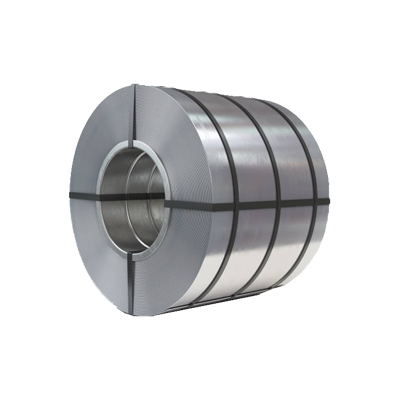
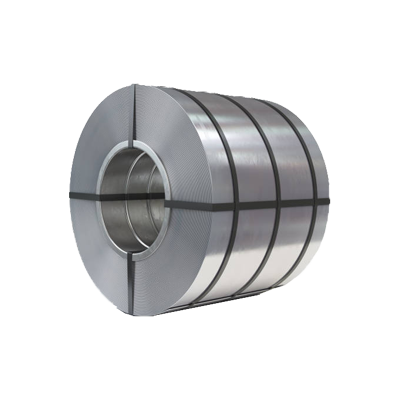
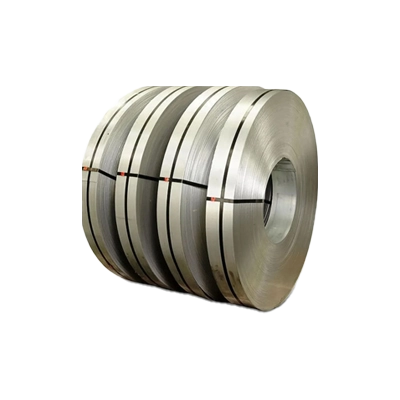
Showing 0 products
Frequently Asked Questions
What is cold-rolled steel coil?
Cold-rolled steel coil is a type of steel product that is processed further in cold reduction mills at room temperature after being hot-rolled. This process involves passing the steel through rollers to achieve a more precise dimension and a smoother, shinier finish. The cold rolling process increases the steel's strength and hardness while reducing its ductility, making it ideal for applications requiring high precision and surface quality.
The process begins with hot-rolled steel, which is cooled and then re-rolled at room temperature. This results in a product with a finer surface finish and tighter tolerances compared to hot-rolled steel. Cold-rolled steel coils are often used in applications where the surface condition, thickness, and flatness are critical, such as in the automotive industry, home appliances, and construction.
Cold-rolled steel coils are available in various grades and specifications, depending on the intended use. They can be further processed into sheets, strips, or other forms, and can be coated or painted for additional protection and aesthetic appeal. The cold rolling process also allows for the production of thinner gauges of steel, which are not possible with hot rolling.
Overall, cold-rolled steel coils are valued for their superior surface quality, dimensional accuracy, and mechanical properties, making them a preferred choice for manufacturers requiring high-quality steel products.
How is cold-rolled steel coil made?
Cold-rolled steel coil is made through a multi-step process:
1. **Hot Rolling**: The process begins with hot rolling, where steel slabs are heated to high temperatures and passed through rollers to form hot-rolled coils. This reduces the thickness and refines the grain structure.
2. **Cooling**: The hot-rolled coils are then cooled at room temperature. This cooling process is crucial to prepare the steel for further processing.
3. **Pickling**: The cooled hot-rolled coils undergo pickling, where they are immersed in an acid bath to remove surface scale and impurities, resulting in a clean surface.
4. **Cold Rolling**: The pickled steel is then cold-rolled at room temperature. This involves passing the steel through a series of rollers to achieve the desired thickness and improve surface finish. Cold rolling increases the strength and hardness of the steel through strain hardening.
5. **Annealing**: To restore ductility and reduce internal stresses, the cold-rolled steel is annealed. This involves heating the steel in a controlled environment and then cooling it slowly.
6. **Tempering**: Sometimes, the steel undergoes tempering, which involves reheating to a lower temperature and then cooling. This process enhances toughness and reduces brittleness.
7. **Finishing**: The final step involves surface finishing, which may include skin passing, oiling, or coating to improve surface quality and corrosion resistance.
8. **Coiling**: The finished steel is then coiled into rolls for easy handling and transportation.
This process results in cold-rolled steel coils with a smooth surface, precise dimensions, and enhanced mechanical properties, suitable for various applications like automotive panels, appliances, and construction materials.
What are the applications of cold-rolled steel coil?
Cold-rolled steel coil is widely used across various industries due to its superior surface finish, dimensional accuracy, and mechanical properties. Here are some of its key applications:
1. **Automotive Industry**: Used for manufacturing car bodies, structural parts, and components due to its high strength and excellent surface quality, which is ideal for painting and coating.
2. **Construction**: Utilized in the production of steel frames, roofing, wall elements, and interior panels. Its precision and smooth finish make it suitable for architectural applications.
3. **Appliances**: Employed in the production of home appliances like refrigerators, washing machines, and ovens. The smooth surface and formability are crucial for aesthetic and functional purposes.
4. **Furniture**: Used in the manufacturing of office furniture, filing cabinets, and shelving due to its durability and ability to be easily shaped and finished.
5. **Electrical Goods**: Applied in the production of electrical cabinets, enclosures, and other components where precision and surface quality are important.
6. **Packaging**: Utilized in the production of metal packaging such as cans and containers, where its strength and formability are advantageous.
7. **Industrial Equipment**: Used in the fabrication of machinery parts and components that require high precision and strength.
8. **Pipes and Tubes**: Cold-rolled steel is used to produce precision tubes and pipes for various applications, including plumbing and HVAC systems.
9. **Metal Fabrication**: Ideal for custom metal fabrication projects that require tight tolerances and a high-quality finish.
10. **Consumer Goods**: Used in the production of various consumer goods, including electronics and hardware, where appearance and precision are important.
These applications leverage the material's enhanced mechanical properties, surface finish, and dimensional accuracy, making cold-rolled steel coil a versatile and essential material in modern manufacturing and construction.
What are the advantages of cold-rolled steel coil?
Cold-rolled steel coil offers several advantages:
1. **Improved Surface Finish**: Cold rolling results in a smoother and more refined surface finish, making it ideal for applications requiring a high-quality appearance.
2. **Tighter Tolerances**: The process allows for more precise control over thickness and dimensions, ensuring consistent and uniform products.
3. **Increased Strength**: Cold rolling enhances the tensile strength and hardness of the steel due to strain hardening, making it suitable for demanding applications.
4. **Better Formability**: Despite increased strength, cold-rolled steel maintains good ductility, allowing it to be easily formed into complex shapes.
5. **Enhanced Mechanical Properties**: The process improves mechanical properties such as yield strength and fatigue resistance, extending the material's lifespan in structural applications.
6. **Versatility**: Cold-rolled steel is available in various grades and specifications, making it adaptable for a wide range of industries, including automotive, construction, and appliance manufacturing.
7. **Cost-Effectiveness**: Although initially more expensive than hot-rolled steel, the superior quality and reduced need for additional processing can lead to cost savings in the long run.
8. **Consistency**: The controlled process ensures uniformity in the steel's properties, which is crucial for applications requiring precise engineering standards.
9. **Aesthetic Appeal**: The smooth surface and ability to be easily painted or coated enhance its visual appeal for consumer products.
10. **Reduced Thickness**: Cold rolling can produce thinner gauges of steel, which are not achievable through hot rolling, expanding its application range.
These advantages make cold-rolled steel coil a preferred choice for applications where precision, strength, and surface quality are critical.
How does cold-rolled steel coil differ from hot-rolled steel coil?
Cold-rolled steel coil and hot-rolled steel coil differ primarily in their processing methods and resulting properties.
Hot-rolled steel is produced by rolling steel at high temperatures, typically over 1700°F (926°C), which is above the recrystallization temperature of steel. This process makes the steel easier to shape and form, resulting in a product that is less expensive to produce. However, hot-rolled steel has a rougher surface finish, looser tolerances, and may contain slight distortions due to cooling.
Cold-rolled steel, on the other hand, is processed further in cold reduction mills at room temperature after being hot-rolled. This additional processing involves rolling the steel to its final dimensions, which enhances its surface finish and dimensional accuracy. Cold-rolling increases the steel's strength and hardness through strain hardening, resulting in a product with a smoother surface, tighter tolerances, and improved mechanical properties.
In summary, hot-rolled steel is more cost-effective and suitable for applications where precise dimensions and surface finish are not critical, such as in construction and welding. Cold-rolled steel is preferred for applications requiring high precision, superior surface quality, and enhanced mechanical properties, such as in automotive parts, appliances, and metal furniture.
What are the common sizes and thicknesses of cold-rolled steel coil?
Cold-rolled steel coils are typically available in a variety of sizes and thicknesses to meet diverse industrial needs. Common thicknesses range from 0.2 mm to 3 mm. However, the most frequently used thicknesses are between 0.5 mm and 2.5 mm, as these provide a balance between strength and flexibility for various applications.
In terms of width, cold-rolled steel coils are generally available in widths ranging from 600 mm to 2,000 mm. Standard widths often used in the industry include 914 mm, 1,000 mm, 1,219 mm, and 1,500 mm. These dimensions are chosen to optimize material usage and minimize waste during manufacturing processes.
The length of the coil is determined by the weight, which typically ranges from 1.5 tons to 20 tons per coil. The weight is influenced by the thickness, width, and density of the steel. Standard coil weights are often around 5 to 10 tons, as these are manageable for most handling and processing equipment.
These dimensions are standardized to ensure compatibility with various industrial machinery and to facilitate easy transportation and storage. The specific size and thickness required will depend on the intended application, such as automotive panels, appliances, or construction materials, where different properties like tensile strength, surface finish, and formability are critical.
How do you store and handle cold-rolled steel coil?
Store cold-rolled steel coils in a clean, dry, and well-ventilated area to prevent rust and corrosion. Use wooden or plastic pallets to keep coils off the ground, ensuring they are not in direct contact with moisture. Maintain a stable temperature and humidity level to avoid condensation.
Stack coils horizontally, with the coil eye vertical, to distribute weight evenly and prevent deformation. Use coil racks or cradles for additional support and stability. Ensure that stacking does not exceed the manufacturer's recommended height to avoid accidents.
Label each coil with relevant information, such as grade, size, and weight, for easy identification and inventory management. Implement a first-in, first-out (FIFO) system to ensure older stock is used before newer stock, reducing the risk of deterioration.
When handling coils, use appropriate lifting equipment, such as C-hooks, coil tongs, or forklifts with coil rams, to prevent damage. Ensure that all equipment is rated for the weight of the coils and that operators are trained in safe handling procedures.
Regularly inspect coils for signs of damage or corrosion, and address any issues promptly. Apply protective coatings or wraps if long-term storage is necessary, and consider using desiccants to absorb moisture.
Implement safety protocols to protect workers, including wearing personal protective equipment (PPE) and maintaining clear pathways for transportation. Conduct regular safety audits and training sessions to ensure compliance with industry standards and regulations.