Call +(254) 703 030 000 / 751 483 999 / 721 704 777

Showing 0 products
Frequently Asked Questions
What is pre-painted steel?
Pre-painted steel is a type of steel that has been coated with a layer of paint or other protective finish before being formed into its final shape. This process involves applying a primer and a topcoat to the steel surface, which is typically done in a continuous coil coating line. The steel is first cleaned and treated to ensure proper adhesion of the paint, then coated with a primer to enhance corrosion resistance, and finally covered with a topcoat that provides the desired color and finish.
The pre-painting process offers several advantages. It provides a uniform, high-quality finish that is more durable and aesthetically pleasing compared to post-painting methods. The coating also enhances the steel's resistance to corrosion, weathering, and UV radiation, extending the lifespan of the material. Pre-painted steel is available in a wide range of colors, textures, and gloss levels, allowing for versatile design options.
This material is commonly used in various industries, including construction, automotive, appliances, and furniture. In construction, it is often used for roofing, wall cladding, and architectural panels. In the automotive industry, it is used for body panels and trim. The appliance industry uses pre-painted steel for products like refrigerators and washing machines, while the furniture industry uses it for items like filing cabinets and shelving.
Overall, pre-painted steel offers a cost-effective and efficient solution for applications requiring both aesthetic appeal and functional performance.
What are the benefits of using pre-painted steel?
Pre-painted steel offers several benefits, making it a popular choice in various industries:
1. **Aesthetic Appeal**: Pre-painted steel is available in a wide range of colors and finishes, allowing for greater design flexibility and enhancing the visual appeal of structures and products.
2. **Corrosion Resistance**: The pre-painting process involves applying a protective coating that enhances the steel's resistance to corrosion, extending its lifespan and reducing maintenance costs.
3. **Durability**: The coatings used in pre-painted steel are designed to withstand harsh environmental conditions, including UV radiation, moisture, and chemicals, ensuring long-term durability.
4. **Cost-Effectiveness**: By reducing the need for additional painting and maintenance, pre-painted steel can lower overall project costs. Its longevity also means fewer replacements over time.
5. **Consistency and Quality Control**: The pre-painting process is highly controlled, ensuring uniform coating thickness and quality, which can be difficult to achieve with on-site painting.
6. **Environmental Benefits**: Pre-painted steel often uses coatings that are environmentally friendly, with lower volatile organic compound (VOC) emissions compared to traditional painting methods.
7. **Time Efficiency**: Using pre-painted steel can significantly reduce construction or manufacturing time, as it eliminates the need for on-site painting and drying.
8. **Versatility**: It can be used in a variety of applications, including roofing, cladding, appliances, and automotive parts, due to its adaptability to different shapes and sizes.
9. **Improved Performance**: The coatings can be tailored to provide additional functionalities, such as anti-bacterial properties or enhanced thermal insulation.
10. **Recyclability**: Like other steel products, pre-painted steel is fully recyclable, contributing to sustainable building practices and reducing environmental impact.
How is pre-painted steel manufactured?
Pre-painted steel is manufactured through a continuous coil coating process. The process begins with a cold-rolled steel coil, which is first cleaned to remove any impurities, oils, or residues. This is typically done using alkaline or acid cleaning solutions followed by rinsing with water.
Next, the cleaned steel is subjected to a chemical treatment, often a conversion coating, to enhance paint adhesion and corrosion resistance. This is followed by drying the steel strip.
The steel then enters the coating section, where it is first primed. A primer coat is applied to both sides of the steel strip using rollers. The primer is then cured in an oven at a controlled temperature to ensure proper adhesion and durability.
After priming, the steel strip is cooled and then moved to the topcoat application stage. Here, a topcoat of paint is applied, again using rollers, to both sides of the strip. The topcoat provides the desired color and finish, as well as additional protection against environmental factors.
The coated steel is then passed through another curing oven to harden the topcoat. The temperature and time in the oven are carefully controlled to achieve optimal coating properties.
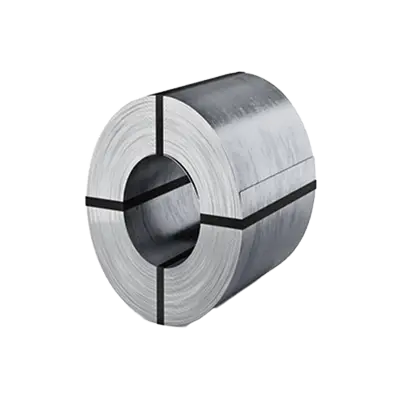
Once the topcoat is cured, the steel is cooled and inspected for quality. Any defects are identified and corrected. The finished pre-painted steel is then rewound into coils, ready for shipment to customers.
Throughout the process, precise control of temperature, speed, and coating thickness is maintained to ensure consistent quality and performance of the pre-painted steel.
What applications are suitable for pre-painted steel?
Pre-painted steel is versatile and used in various applications due to its durability, aesthetic appeal, and resistance to corrosion. Here are some suitable applications:
1. **Construction**: Pre-painted steel is widely used in roofing, wall cladding, and facades. Its weather resistance and color variety make it ideal for both residential and commercial buildings.
2. **Automotive Industry**: It is used in manufacturing car bodies and components, offering a lightweight and corrosion-resistant alternative to traditional materials.
3. **Appliances**: Household appliances like refrigerators, washing machines, and ovens often use pre-painted steel for their exteriors due to its smooth finish and durability.
4. **Furniture**: Office and outdoor furniture benefit from pre-painted steel's aesthetic flexibility and resistance to wear and tear.
5. **HVAC Systems**: Heating, ventilation, and air conditioning units use pre-painted steel for ductwork and casings, taking advantage of its corrosion resistance and thermal efficiency.
6. **Signage and Advertising**: Its ability to hold vibrant colors makes pre-painted steel suitable for signs and billboards, ensuring longevity and visibility.
7. **Agricultural Equipment**: Used in the construction of silos, barns, and machinery, pre-painted steel withstands harsh environmental conditions.
8. **Packaging**: It is used in the production of cans and containers, providing a protective and decorative layer.
9. **Marine Applications**: Pre-painted steel is used in shipbuilding and offshore structures due to its resistance to saltwater corrosion.
10. **Electrical Enclosures**: It provides a protective and aesthetic finish for electrical cabinets and enclosures.
These applications leverage the material's strength, versatility, and aesthetic options, making pre-painted steel a preferred choice across various industries.
How does pre-painted steel compare to other types of coated steel?
Pre-painted steel, also known as color-coated steel, offers several advantages over other types of coated steel, such as galvanized or aluminized steel.
1. **Aesthetic Appeal**: Pre-painted steel provides a wide range of color and finish options, allowing for greater design flexibility and aesthetic appeal. This makes it ideal for applications where appearance is important, such as in architectural projects and consumer goods.
2. **Corrosion Resistance**: The paint layer on pre-painted steel acts as an additional barrier against corrosion, enhancing the durability of the underlying metal. This is particularly beneficial in environments exposed to harsh weather conditions or corrosive substances.
3. **Cost-Effectiveness**: While the initial cost of pre-painted steel may be higher than some other coatings, it can be more cost-effective in the long run due to reduced maintenance and longer lifespan. The pre-painting process also eliminates the need for on-site painting, saving time and labor costs.
4. **Consistency and Quality Control**: Pre-painted steel is manufactured under controlled conditions, ensuring consistent quality and uniform coating thickness. This level of quality control is often superior to coatings applied post-fabrication.
5. **Environmental Benefits**: The pre-painting process can be more environmentally friendly, as it often involves less waste and emissions compared to on-site painting. Many manufacturers also use eco-friendly paints and coatings.
6. **Versatility**: Pre-painted steel can be used in a variety of applications, from roofing and cladding to appliances and automotive parts, due to its combination of durability, aesthetic options, and protective qualities.
In comparison, other coated steels like galvanized or aluminized steel primarily focus on corrosion resistance and may not offer the same level of aesthetic customization or environmental benefits.
What are the common colors and finishes available for pre-painted steel?
Common colors for pre-painted steel include white, black, gray, blue, green, red, brown, beige, and metallic shades like silver and gold. These colors are often chosen for their versatility and ability to blend with various architectural styles and environments.
Finishes for pre-painted steel can vary widely, offering both aesthetic and functional benefits. Some of the most common finishes include:
1. **Glossy Finish**: Provides a shiny and reflective surface, enhancing the vibrancy of the color.
2. **Matte Finish**: Offers a non-reflective surface, giving a more subdued and sophisticated appearance.
3. **Textured Finish**: Mimics the look of materials like wood or stone, adding depth and interest.
4. **Metallic Finish**: Contains metal flakes that give a shimmering effect, often used for a modern look.
5. **Satin Finish**: Falls between glossy and matte, providing a soft sheen that is less reflective.
6. **Wrinkle Finish**: Features a rough, textured surface that can hide imperfections and add a unique look.
7. **Embossed Finish**: Involves patterns pressed into the steel, offering both visual and tactile interest.
These colors and finishes are achieved through various coating processes, ensuring durability, corrosion resistance, and aesthetic appeal.
How long does pre-painted steel last?
The lifespan of pre-painted steel can vary significantly based on several factors, including the quality of the paint, the environment in which it is used, and the level of maintenance it receives. Generally, pre-painted steel can last anywhere from 20 to 40 years.
1. **Quality of Paint and Coating**: High-quality paints and coatings can significantly extend the lifespan of pre-painted steel. Advanced coatings with UV resistance, corrosion inhibitors, and enhanced adhesion properties can protect the steel for longer periods.
2. **Environmental Conditions**: The environment plays a crucial role in determining the longevity of pre-painted steel. In harsh environments, such as coastal areas with high salt content or industrial areas with high pollution, the steel may degrade faster. Conversely, in mild climates with less exposure to corrosive elements, the steel can last longer.
3. **Maintenance**: Regular maintenance, including cleaning and inspections, can help extend the life of pre-painted steel. Addressing minor damages or scratches promptly can prevent further deterioration.
4. **Installation and Design**: Proper installation and design can also impact the lifespan. Ensuring that the steel is installed in a way that minimizes water pooling and allows for adequate ventilation can prevent premature corrosion.
5. **Type of Use**: The application of the pre-painted steel, whether in roofing, siding, or other structures, can influence its durability. Areas exposed to more wear and tear may require more frequent maintenance or replacement.
In summary, while pre-painted steel can last several decades, its actual lifespan will depend on the interplay of these factors. Regular maintenance and choosing high-quality materials are key to maximizing its durability.