Call +(254) 703 030 000 / 751 483 999 / 721 704 777

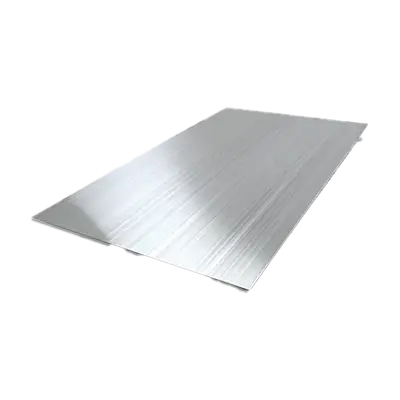
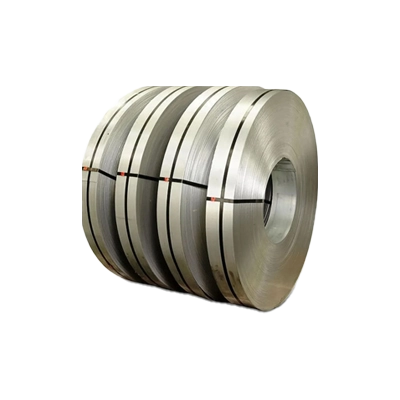
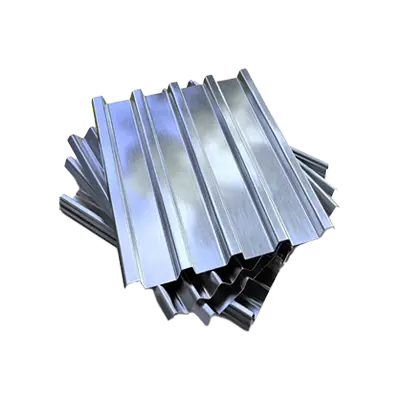
Showing 0 products
Frequently Asked Questions
What is hot dipped galvanized steel?
Hot-dipped galvanized steel is a type of steel that has been coated with a layer of zinc to protect it from corrosion. The process involves immersing the steel in a bath of molten zinc, typically at a temperature of around 450°C (842°F). This creates a metallurgical bond between the zinc and the steel, forming a series of zinc-iron alloy layers topped by a layer of pure zinc.
The zinc coating serves as a barrier that prevents corrosive substances from reaching the underlying steel. Additionally, zinc acts as a sacrificial anode; even if the coating is scratched or damaged, the exposed steel is still protected by the surrounding zinc, which corrodes in preference to the steel.
Hot-dipped galvanized steel is widely used in various industries due to its durability, cost-effectiveness, and long-lasting protection against rust and corrosion. Common applications include construction (e.g., beams, columns, and roofing), automotive parts, agricultural equipment, and outdoor structures like fences and guardrails.
The process of hot-dip galvanizing is favored for its ability to coat complex shapes and provide uniform protection. The thickness of the zinc coating can be controlled by the speed of withdrawal from the zinc bath and the composition of the steel, allowing for customization based on specific environmental conditions and longevity requirements.
Overall, hot-dipped galvanized steel is a versatile and reliable material choice for projects requiring enhanced durability and resistance to environmental factors.
How is hot dipped galvanized steel made?
Hot-dipped galvanized steel is made through a process that involves several key steps:
1. **Surface Preparation**: The steel is cleaned to remove any dirt, oil, rust, or scale. This is typically done through a series of processes including degreasing, pickling in an acid solution, and fluxing. The fluxing step involves applying a zinc ammonium chloride solution to prevent oxidation before galvanizing.
2. **Galvanizing**: The cleaned steel is immersed in a bath of molten zinc, typically heated to around 450°C (842°F). The steel remains in the bath until it reaches the same temperature as the molten zinc, allowing the zinc to metallurgically bond with the steel.
3. **Cooling**: After being removed from the zinc bath, the steel is allowed to cool. As it cools, the zinc solidifies, forming a series of zinc-iron alloy layers topped by a layer of pure zinc. This creates a durable, corrosion-resistant coating.
4. **Inspection**: The galvanized steel is inspected to ensure it meets quality standards. This includes checking the thickness of the zinc coating and ensuring there are no defects.
5. **Finishing**: Any excess zinc is removed, and the steel may undergo additional treatments such as quenching in water or air to enhance the coating's properties.
This process results in a robust, corrosion-resistant coating that protects the steel from environmental elements, significantly extending its lifespan.
What are the benefits of using hot dipped galvanized steel?
Hot-dipped galvanized steel offers several benefits:
1. **Corrosion Resistance**: The zinc coating provides a robust barrier against moisture and oxygen, significantly reducing the risk of rust and corrosion, which extends the lifespan of the steel.
2. **Durability**: The metallurgical bond between zinc and steel creates a tough coating that can withstand mechanical damage, making it suitable for harsh environments.
3. **Cost-Effectiveness**: Although the initial cost may be higher than untreated steel, the reduced maintenance and longer lifespan make it economically advantageous over time.
4. **Low Maintenance**: The protective zinc layer requires minimal upkeep, reducing the need for frequent repairs or replacements.
5. **Complete Coverage**: The hot-dip process ensures that all surfaces, including edges and corners, are coated, providing comprehensive protection.
6. **Self-Healing**: Zinc has the ability to protect exposed steel through a process called galvanic or cathodic protection, where the zinc sacrifices itself to protect the steel.
7. **Versatility**: Suitable for a wide range of applications, from construction and automotive to agriculture and marine environments.
8. **Aesthetic Appeal**: The shiny, spangled finish of galvanized steel is visually appealing and can be used without additional painting or coating.
9. **Sustainability**: Zinc is a recyclable material, and the galvanizing process has a relatively low environmental impact compared to other protective coatings.
10. **Fast Turnaround**: The galvanizing process is quick, allowing for rapid production and deployment in projects.
These benefits make hot-dipped galvanized steel a preferred choice for many industries seeking long-lasting, reliable, and cost-effective materials.
How long does hot dipped galvanized steel last?
The lifespan of hot-dipped galvanized steel can vary significantly based on environmental conditions, coating thickness, and the specific application. Generally, it can last anywhere from 20 to over 70 years. In rural environments, where there is less pollution and moisture, galvanized steel can last over 70 years. In urban or industrial settings, where there is more exposure to pollutants and moisture, the lifespan may be reduced to 20-50 years. Coastal environments, with high salt content, can further reduce the lifespan to 20-30 years. The thickness of the zinc coating also plays a crucial role; thicker coatings provide longer protection. Regular maintenance and inspections can help extend the lifespan by identifying and addressing any early signs of corrosion.
Can hot dipped galvanized steel be painted?
Yes, hot-dipped galvanized steel can be painted, but it requires proper surface preparation to ensure good adhesion and durability of the paint. The zinc coating on galvanized steel provides corrosion resistance but can also create challenges for paint adhesion due to its smooth and sometimes oily surface.
To paint hot-dipped galvanized steel, follow these steps:
1. **Cleaning**: Remove any dirt, grease, or oil using a mild detergent or a degreasing solution. Rinse thoroughly with water and allow it to dry completely.
2. **Surface Preparation**: The surface needs to be roughened to improve paint adhesion. This can be done through mechanical abrasion using sandpaper or a wire brush, or by chemical etching with a mild acid solution like vinegar or a commercial etching primer.
3. **Rinsing**: After etching, rinse the surface with clean water to remove any residue and allow it to dry.
4. **Priming**: Apply a suitable primer designed for galvanized surfaces. Zinc-rich primers or those specifically formulated for galvanized metal are recommended. This layer helps in promoting adhesion and provides an additional layer of corrosion protection.
5. **Painting**: Once the primer is dry, apply the paint. Use a paint that is compatible with galvanized surfaces, such as acrylic latex or epoxy-based paints. Apply multiple thin coats rather than one thick coat for better coverage and durability.
6. **Curing**: Allow adequate drying and curing time as per the paint manufacturer's instructions to ensure a long-lasting finish.
By following these steps, you can successfully paint hot-dipped galvanized steel, enhancing its appearance and providing additional protection against the elements.
What are the common applications of hot dipped galvanized steel?
Hot dipped galvanized steel is widely used across various industries due to its enhanced corrosion resistance, durability, and cost-effectiveness. Common applications include:
1. **Construction**: Used in structural beams, columns, and roofing materials, galvanized steel provides long-lasting protection against environmental elements, making it ideal for buildings, bridges, and other infrastructure.
2. **Automotive Industry**: Employed in the manufacturing of car bodies and frames, it offers resistance to rust and corrosion, extending the lifespan of vehicles.
3. **Agriculture**: Utilized in fencing, silos, and barns, galvanized steel withstands harsh weather conditions and exposure to chemicals, ensuring durability in agricultural settings.
4. **Utilities and Energy**: Used in power transmission towers, poles, and solar panel supports, it ensures reliability and longevity in energy infrastructure.
5. **Telecommunications**: Galvanized steel is used for cell towers and antenna masts, providing stability and resistance to environmental factors.
6. **HVAC Systems**: Ductwork and components made from galvanized steel resist moisture and corrosion, ensuring efficient and long-lasting heating, ventilation, and air conditioning systems.
7. **Marine Applications**: Employed in docks, shipbuilding, and offshore platforms, it offers protection against saltwater corrosion.
8. **Household Appliances**: Used in the manufacturing of washing machines, refrigerators, and other appliances, galvanized steel provides a durable and rust-resistant finish.
9. **Railways**: Tracks, signaling equipment, and other railway components benefit from the corrosion resistance of galvanized steel, ensuring safety and longevity.
10. **Furniture**: Outdoor furniture and fixtures made from galvanized steel resist weathering and maintain their appearance over time.
These applications highlight the versatility and reliability of hot dipped galvanized steel in environments where corrosion resistance and durability are critical.
How does hot dipped galvanizing compare to other types of galvanizing?
Hot-dip galvanizing involves immersing steel in molten zinc, forming a robust metallurgical bond and a thick, durable zinc coating. This method provides superior corrosion resistance, making it ideal for outdoor and industrial applications. The coating is typically thicker than other galvanizing methods, offering long-term protection and durability.
In contrast, electro-galvanizing uses an electrical current to apply a thinner zinc layer, resulting in a smoother finish but less corrosion resistance. It's suitable for indoor applications where aesthetics are important, but it doesn't offer the same level of protection as hot-dip galvanizing.
Sherardizing involves heating steel with zinc powder in a closed rotating drum, creating a uniform zinc-iron alloy coating. This method is less common and is used for small parts, providing good corrosion resistance but not as robust as hot-dip galvanizing.
Mechanical plating, or peen plating, involves tumbling steel parts with zinc powder and glass beads, creating a zinc coating through mechanical energy. This method is suitable for small parts and offers moderate corrosion resistance, but the coating is not as thick or durable as hot-dip galvanizing.
Overall, hot-dip galvanizing is preferred for its superior corrosion resistance, durability, and ability to protect complex shapes and large structures. Other methods may be chosen based on specific requirements like aesthetics, part size, or application environment.