Call +(254) 703 030 000 / 751 483 999 / 721 704 777

Showing 0 products
Frequently Asked Questions
What is electro galvanized steel?
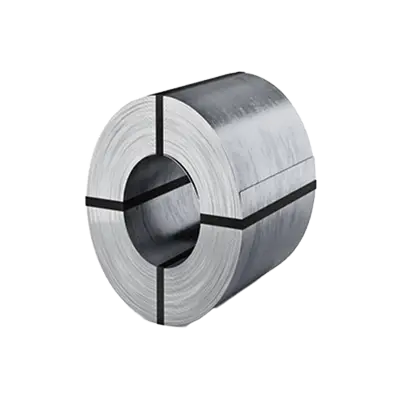
Electro galvanized steel is a type of steel that has been coated with a layer of zinc through an electrochemical process known as electroplating. This process involves immersing the steel in a zinc ion solution and applying an electric current, which causes the zinc to adhere to the surface of the steel. The result is a uniform, thin layer of zinc that provides enhanced corrosion resistance and a smooth, shiny finish.
The primary purpose of electro galvanization is to protect the underlying steel from rust and corrosion, which can significantly extend the material's lifespan. The zinc coating acts as a sacrificial anode, meaning it will corrode in place of the steel, thereby preserving the structural integrity of the steel beneath.
Electro galvanized steel is commonly used in applications where a high-quality surface finish is important, such as in automotive parts, appliances, and electronic enclosures. The smooth surface of electro galvanized steel makes it ideal for painting and other surface treatments, as it provides excellent adhesion properties.
Compared to hot-dip galvanizing, which involves dipping the steel into molten zinc, electro galvanization allows for more precise control over the thickness of the zinc coating. This precision makes it suitable for applications requiring tight tolerances and a consistent appearance. However, the zinc layer in electro galvanized steel is typically thinner than that of hot-dip galvanized steel, which may result in less robust corrosion protection in extremely harsh environments.
Overall, electro galvanized steel offers a balance of aesthetic appeal, corrosion resistance, and cost-effectiveness, making it a popular choice in various industries.
How is electro galvanized steel made?
Electro galvanized steel is produced through an electroplating process where a layer of zinc is applied to steel to enhance its corrosion resistance. The process begins with the preparation of the steel surface, which involves cleaning to remove any dirt, oil, or rust. This is typically done using alkaline solutions or acid pickling.
Once the steel is clean, it is immersed in an electrolytic bath containing a zinc salt solution, such as zinc sulfate or zinc chloride. The steel acts as the cathode, while a zinc anode is also placed in the solution. When an electric current is passed through the solution, zinc ions are reduced and deposited onto the steel surface, forming a uniform and tightly bonded zinc coating.
The thickness of the zinc layer can be controlled by adjusting the current density and the duration of the electroplating process. After plating, the steel may undergo additional treatments such as chromate conversion coating to further enhance corrosion resistance and improve paint adhesion.
The resulting electro galvanized steel has a smooth, shiny finish and is used in applications where aesthetic appearance and moderate corrosion protection are important, such as in automotive parts, appliances, and construction materials.
What are the benefits of electro galvanized steel?
Electro galvanized steel offers several benefits:
1. **Corrosion Resistance**: The electroplating process applies a uniform zinc coating, providing excellent protection against rust and corrosion, especially in indoor environments.
2. **Smooth Finish**: The electroplating process results in a smooth, aesthetically pleasing finish, making it ideal for applications where appearance is important.
3. **Paintability**: The smooth surface of electro galvanized steel enhances paint adhesion, allowing for easy painting and coating, which is beneficial for decorative applications.
4. **Formability**: The steel retains its formability after galvanization, making it suitable for complex shapes and deep drawing processes without cracking or peeling.
5. **Weldability**: Electro galvanized steel can be easily welded without compromising the zinc coating, maintaining its protective properties.
6. **Uniform Coating**: The electroplating process ensures a consistent zinc layer, providing uniform protection across the entire surface, including edges and corners.
7. **Cost-Effective**: While offering high corrosion resistance, electro galvanized steel is often more cost-effective than other corrosion-resistant materials like stainless steel.
8. **Recyclability**: Like other steel products, electro galvanized steel is recyclable, contributing to environmental sustainability.
9. **Versatility**: It is used in a wide range of applications, including automotive parts, appliances, construction materials, and electrical equipment, due to its combination of strength, durability, and aesthetic appeal.
10. **Reduced Maintenance**: The protective zinc layer reduces the need for frequent maintenance and repairs, lowering long-term costs.
These benefits make electro galvanized steel a popular choice in industries requiring durable, corrosion-resistant, and visually appealing materials.
How does electro galvanized steel compare to hot-dip galvanized steel?
Electro galvanized steel and hot-dip galvanized steel are both coated with zinc to enhance corrosion resistance, but they differ in their coating processes and characteristics.
Electro galvanized steel is produced by electroplating, where a thin layer of zinc is applied to the steel surface using an electric current. This method results in a smooth, uniform finish with precise control over the coating thickness, typically ranging from 5 to 30 microns. The process is conducted at room temperature, which minimizes the risk of thermal distortion. Electro galvanized steel is known for its excellent surface quality, making it ideal for applications requiring a high-quality finish, such as automotive parts and appliances. However, its thinner coating offers less corrosion resistance compared to hot-dip galvanized steel.
Hot-dip galvanized steel, on the other hand, involves immersing the steel in molten zinc, resulting in a thicker, more robust coating, usually between 50 to 150 microns. This process creates a metallurgical bond between the zinc and the steel, forming a series of zinc-iron alloy layers that provide superior corrosion protection. The thicker coating makes hot-dip galvanized steel more suitable for outdoor and industrial applications, such as construction and infrastructure, where long-term durability is crucial. However, the process can lead to a rougher surface finish and potential warping due to the high temperatures involved.
In summary, electro galvanized steel is preferred for applications requiring a smooth finish and precise coating control, while hot-dip galvanized steel is favored for its enhanced corrosion resistance and durability in harsher environments. The choice between the two depends on the specific requirements of the application, including environmental conditions, aesthetic considerations, and cost constraints.
What are the common applications of electro galvanized steel?
Electro galvanized steel is widely used in various industries due to its enhanced corrosion resistance and smooth finish. Common applications include:
1. **Automotive Industry**: Used for manufacturing car bodies, frames, and other components due to its durability and resistance to rust, which is crucial for vehicle longevity.
2. **Appliances**: Employed in the production of household appliances like refrigerators, washing machines, and air conditioners, where both aesthetic appeal and corrosion resistance are important.
3. **Construction**: Utilized in building materials such as roofing, wall panels, and structural beams. Its corrosion resistance makes it ideal for outdoor and exposed applications.
4. **Electrical Equipment**: Used in the production of electrical enclosures, panels, and conduits, providing protection against environmental factors and ensuring safety.
5. **Furniture**: Applied in the manufacturing of office and outdoor furniture, offering a sleek finish and resistance to wear and tear.
6. **HVAC Systems**: Used in ductwork and components of heating, ventilation, and air conditioning systems, where moisture resistance is essential.
7. **Consumer Goods**: Found in products like bicycles, toolboxes, and shelving units, where durability and a clean appearance are desired.
8. **Agricultural Equipment**: Used in the production of machinery and storage units, providing protection against harsh environmental conditions.
9. **Packaging**: Employed in the creation of durable packaging materials, especially for shipping and storage, to prevent rust and damage.
10. **Fasteners and Hardware**: Used in nuts, bolts, and other hardware components, ensuring longevity and reliability in various applications.
These applications leverage the material's properties to enhance product life, reduce maintenance costs, and improve overall performance.
How does electro galvanized steel improve corrosion resistance?
Electro galvanized steel improves corrosion resistance through a process where a layer of zinc is applied to the surface of the steel via electroplating. This zinc coating serves as a protective barrier that prevents corrosive substances from reaching the underlying steel. The zinc acts as a sacrificial anode, meaning it will corrode preferentially to the steel, thereby protecting it from rust and degradation.
The electroplating process involves immersing the steel in a zinc electrolyte solution and applying an electric current. This causes zinc ions to deposit onto the steel surface, forming a uniform and tightly bonded coating. The thickness of the zinc layer can be controlled precisely, allowing for tailored protection based on the intended application and environmental conditions.
Zinc's effectiveness in corrosion resistance is due to its ability to form a stable oxide layer when exposed to air, which further shields the steel from moisture and oxygen. Additionally, if the zinc coating is scratched or damaged, it can still protect the steel through a process called galvanic protection. In this process, the zinc will continue to corrode in preference to the steel, maintaining the integrity of the underlying metal.
Electro galvanized steel is particularly advantageous in environments where aesthetic appearance is important, as the coating provides a smooth, shiny finish. It is commonly used in automotive, construction, and appliance industries due to its enhanced durability and resistance to rust. Overall, electro galvanization extends the lifespan of steel products by providing a robust defense against corrosive elements.
Can electro galvanized steel be painted?
Yes, electro galvanized steel can be painted. The process of electro galvanization involves applying a thin layer of zinc to steel to protect it from corrosion. This zinc coating provides a good base for paint adhesion, but certain steps must be followed to ensure the paint adheres properly and lasts.
Firstly, the surface of the electro galvanized steel should be cleaned thoroughly to remove any oils, dirt, or contaminants. This can be done using a mild detergent or a degreasing agent. After cleaning, the surface should be rinsed with water and allowed to dry completely.
Next, it's important to lightly sand the surface to create a rough texture that will help the paint adhere better. This can be done using fine-grit sandpaper. After sanding, the surface should be wiped down with a tack cloth to remove any dust particles.
Applying a primer is a crucial step in painting electro galvanized steel. A primer specifically designed for galvanized surfaces should be used. This primer will help the paint adhere to the zinc coating and provide an additional layer of protection against corrosion. The primer should be applied evenly and allowed to dry according to the manufacturer's instructions.
Once the primer is dry, a suitable paint can be applied. Acrylic latex paints or epoxy-based paints are often recommended for galvanized steel due to their durability and adhesion properties. The paint should be applied in thin, even coats, allowing each coat to dry before applying the next.
Finally, a clear topcoat can be applied for additional protection and to enhance the finish. This step is optional but can help extend the life of the paint job.
By following these steps, electro galvanized steel can be successfully painted, providing both aesthetic appeal and additional protection against the elements.