


Showing 0 products
Frequently Asked Questions
What are hydraulic hoses used for?
Hydraulic hoses are flexible tubes designed to transport hydraulic fluid between components within a hydraulic system. They are essential in various industries, including construction, agriculture, manufacturing, and transportation, due to their ability to transmit power efficiently and effectively.
The primary function of hydraulic hoses is to convey pressurized fluid to actuators, valves, and other hydraulic components. This fluid movement enables the conversion of fluid power into mechanical power, facilitating the operation of machinery and equipment. Hydraulic hoses are crucial in systems where flexibility is required, as they can accommodate movement, vibration, and thermal expansion, which rigid pipes cannot.
Hydraulic hoses are used in a wide range of applications, such as:
Construction Equipment: Excavators, bulldozers, and cranes rely on hydraulic hoses to power their hydraulic cylinders and motors, enabling lifting, digging, and other heavy-duty tasks.
Agricultural Machinery: Tractors, harvesters, and sprayers use hydraulic hoses to operate implements and attachments, such as plows and seeders, enhancing productivity and efficiency.
Industrial Machinery: Hydraulic presses, injection molding machines, and conveyor systems utilize hydraulic hoses to perform precise and powerful operations in manufacturing processes.
Automotive Systems: Power steering systems and brake systems in vehicles use hydraulic hoses to transmit fluid pressure, ensuring smooth and responsive control.
Aerospace and Marine: Aircraft and ships employ hydraulic hoses for landing gear systems, flight control surfaces, and steering mechanisms, where reliability and flexibility are critical.
Hydraulic hoses are constructed from layers of rubber, thermoplastic, or reinforced synthetic materials, providing durability and resistance to high pressure, temperature, and environmental conditions. Proper selection, installation, and maintenance of hydraulic hoses are vital to ensure system efficiency, safety, and longevity.
How do you choose the right hydraulic hose?
To choose the right hydraulic hose, consider the following factors:
Size: Ensure the hose's inner diameter matches the system's flow requirements to prevent pressure loss and overheating. Check the outer diameter for fitting compatibility.
Temperature: Select a hose that can withstand the system's operating temperature range, including both ambient and fluid temperatures, to prevent degradation.
Application: Identify the specific application requirements, such as flexibility, abrasion resistance, and environmental conditions, to choose a suitable hose material and construction.
Pressure: Determine the maximum operating pressure and select a hose with a pressure rating that exceeds this to ensure safety and longevity.
Ends: Choose the correct fittings and connectors that match the hose and system ports, considering thread type, size, and sealing method.
Delivery: Consider the hose's length and routing to ensure it fits within the system layout without excessive bending or stretching.
Material Compatibility: Ensure the hose material is compatible with the hydraulic fluid used to prevent chemical degradation.
Standards and Certifications: Verify that the hose meets industry standards and certifications for quality and safety, such as SAE, ISO, or DIN.
Environmental Factors: Consider exposure to elements like UV, ozone, chemicals, or extreme weather, and choose a hose with appropriate protective features.
Cost and Availability: Balance the cost with the hose's performance and availability to ensure it meets budgetary constraints without compromising quality.
By evaluating these factors, you can select a hydraulic hose that ensures optimal performance, safety, and durability for your specific application.
What are the types of hydraulic hoses?
Hydraulic hoses are categorized based on their construction, application, and specifications. Here are the main types:
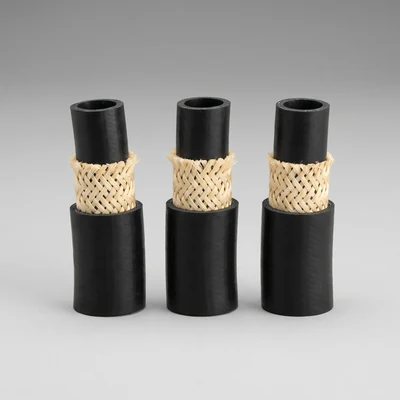
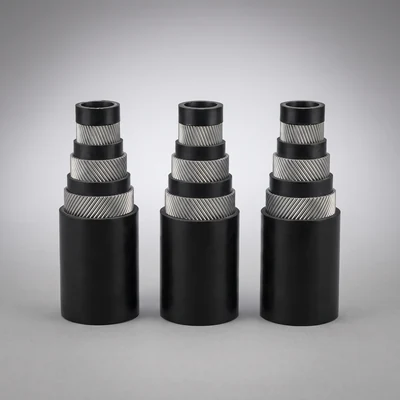
Reinforced Rubber Hoses: These are the most common type, made from synthetic rubber and reinforced with layers of braided or spiral steel wire. They are flexible and suitable for high-pressure applications.
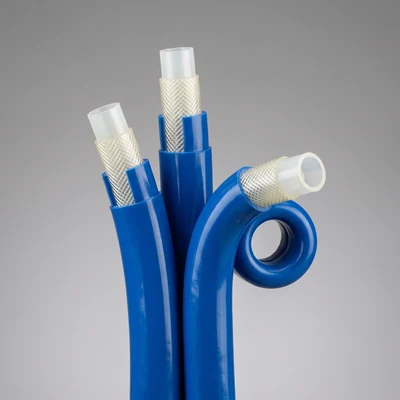
Thermoplastic Hoses: Made from thermoplastic materials, these hoses are lightweight and resistant to abrasion and chemicals. They are often used in medium-pressure applications and environments where flexibility is crucial.
Teflon (PTFE) Hoses: Known for their high chemical resistance and ability to withstand high temperatures, Teflon hoses are used in applications involving corrosive fluids or extreme temperatures.
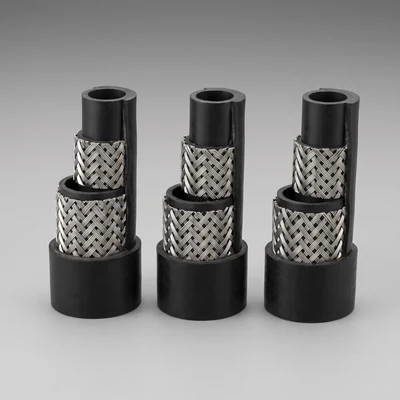
Metal Hoses: Constructed from stainless steel or other metals, these hoses are used in high-temperature and high-pressure environments. They offer excellent durability and resistance to external damage.
Textile-Reinforced Hoses: These hoses are reinforced with textile fibers, making them suitable for low to medium-pressure applications. They are often used in agricultural and industrial settings.
Coiled Hoses: Designed for compact spaces, coiled hoses are flexible and can extend and retract easily. They are typically used in applications where space is limited.
Multi-Element Hoses: These hoses combine different materials to offer specific properties, such as flexibility, strength, and resistance to chemicals or abrasion.
Specialty Hoses: Designed for specific applications, such as high-pressure water blasting or hydraulic jacks, these hoses are tailored to meet unique requirements.
Each type of hydraulic hose is selected based on factors like pressure rating, temperature range, fluid compatibility, and environmental conditions.
How do you install hydraulic hose fittings?
Identify the Hose and Fittings: Determine the correct hose and fitting type for your application, considering factors like pressure, temperature, and fluid compatibility.
Cut the Hose: Use a hose cutter to cut the hose to the required length. Ensure the cut is clean and straight to prevent leaks.
Prepare the Hose: Remove any debris from the cut end. For braided hoses, ensure the braid is not frayed.
Select the Fitting: Choose the appropriate fitting type (e.g., crimp, reusable) and size that matches the hose.
Insert the Fitting: For crimp fittings, insert the hose into the fitting until it reaches the fitting’s collar. For reusable fittings, disassemble the fitting, insert the hose into the socket, and then screw the nipple into the socket.
Crimp the Fitting: If using crimp fittings, place the fitting into a crimping machine. Select the correct die size and crimp the fitting according to the manufacturer’s specifications.
Inspect the Crimp: Check the crimp diameter with a caliper to ensure it meets specifications. Inspect for any visible defects.
Test the Assembly: Conduct a pressure test to ensure there are no leaks. Follow safety protocols during testing.
Install the Hose Assembly: Attach the hose assembly to the hydraulic system, ensuring all connections are tight and secure.
Check for Leaks: Once installed, operate the system and check for leaks or any signs of wear.
Maintenance: Regularly inspect the hose assembly for signs of wear, damage, or leaks, and replace as necessary.
How do you maintain hydraulic hoses?
To maintain hydraulic hoses effectively, follow these steps:
Regular Inspection: Frequently check hoses for signs of wear, such as abrasions, cuts, cracks, or leaks. Pay attention to the fittings and connections for any signs of corrosion or damage.
Proper Installation: Ensure hoses are installed correctly, avoiding twists or kinks. Use the correct length and diameter to prevent unnecessary stress on the hose.
Cleanliness: Keep hoses and surrounding areas clean to prevent contamination. Use caps or plugs when hoses are disconnected to avoid dirt ingress.
Correct Pressure and Temperature: Operate within the hose's specified pressure and temperature limits to prevent premature failure. Use hoses rated for the specific application.
Avoid Abrasion: Use protective sleeves or guards to shield hoses from rubbing against surfaces or other components.
Secure Routing: Use clamps or brackets to secure hoses and prevent excessive movement or vibration, which can lead to wear.
Regular Replacement: Replace hoses at the first sign of significant wear or according to the manufacturer's recommended schedule, even if no visible damage is present.
Proper Storage: Store hoses in a cool, dry place away from direct sunlight and chemicals. Coil hoses without sharp bends to maintain their integrity.
Training: Ensure personnel handling hydraulic systems are trained in proper hose maintenance and safety procedures.
Documentation: Keep records of inspections, maintenance, and replacements to track hose performance and anticipate future needs.
By adhering to these practices, you can extend the life of hydraulic hoses, reduce downtime, and maintain system efficiency.
What causes hydraulic hose failure?
Hydraulic hose failure can be attributed to several factors:
Abrasion: External abrasion from contact with other surfaces can wear down the hose cover, exposing the reinforcement layer and leading to leaks or bursts.
Improper Installation: Incorrect routing, twisting, or bending beyond the hose's minimum bend radius can cause stress and premature failure.
Fluid Compatibility: Using hydraulic fluids that are incompatible with the hose material can cause degradation, swelling, or softening of the hose.
Temperature Extremes: Operating outside the hose's temperature range can cause the material to harden, crack, or become brittle, leading to failure.
Pressure Surges: Excessive pressure spikes or surges beyond the hose's rated capacity can cause the hose to burst.
Aging and Weathering: Over time, exposure to environmental elements like UV rays, ozone, and moisture can degrade the hose material.
Improper Assembly: Incorrect crimping or fitting installation can lead to leaks or detachment under pressure.
Contamination: Particles or debris in the hydraulic fluid can cause internal abrasion or blockages, leading to hose failure.
Chemical Exposure: Exposure to harsh chemicals or solvents can degrade the hose material, leading to leaks or bursts.
Fatigue: Repeated flexing or pulsation can cause fatigue in the hose material, leading to cracks or leaks over time.
Incorrect Hose Selection: Using a hose that is not suitable for the specific application, pressure, or fluid can lead to premature failure.
External Damage: Physical damage from impacts or cuts can compromise the hose integrity.
Regular inspection, proper maintenance, and ensuring compatibility with the application can help mitigate these causes of hydraulic hose failure.
How do you measure hydraulic hose size?
To measure hydraulic hose size, you need to determine the inside diameter (ID), outside diameter (OD), and length of the hose.
Inside Diameter (ID): This is the most critical measurement as it determines the flow capacity of the hose. Use a caliper or a specialized hose ID gauge to measure the ID. Ensure the hose is not under pressure and is cut cleanly for an accurate measurement.
Outside Diameter (OD): The OD is important for fitting compatibility and routing. Measure the OD using a caliper. This measurement helps in selecting the right fittings and clamps.
Length: Measure the length of the hose from end to end. If the hose is installed, measure along the path it takes, including bends and curves, to ensure the replacement hose fits correctly.
Dash Size: Hydraulic hoses are often referred to by their dash size, which is a standardized system indicating the ID in sixteenths of an inch. For example, a -04 hose has an ID of 4/16" or 1/4".
Fitting Size: Measure the thread size and type of the fittings at both ends of the hose. This ensures compatibility with the system components.
Wall Thickness: Subtract the ID from the OD and divide by two to find the wall thickness. This can be important for pressure rating and flexibility.
Pressure Rating and Material: Check the hose specifications for pressure rating and material compatibility to ensure it meets system requirements.
Accurate measurement is crucial for system efficiency and safety, preventing leaks and ensuring proper flow.