Call +(254) 703 030 000 / 751 483 999 / 721 704 777





Showing 0 products
Frequently Asked Questions
What is the average cost of HVAC installation?
The average cost of HVAC installation can vary significantly based on several factors, including the type of system (furnace, AC, heat pump, mini-split), the size of the home, the complexity of the ductwork, the brand of equipment, and regional labor costs. For a new central air conditioning unit and furnace, homeowners might expect to pay anywhere from $5,000 to $10,000 or more. Heat pump systems, which provide both heating and cooling, can range from $4,000 to $8,000. Ductless mini-split systems, often used for specific zones or additions, generally cost between $2,000 and $6,000 per indoor unit. Additional costs can arise from necessary ductwork repairs or replacements, electrical upgrades, permits, and removal of old equipment. It's always recommended to get multiple quotes from qualified HVAC contractors to ensure an accurate estimate for your specific needs.
How long does it take to install a new HVAC system?
The time it takes to install a new HVAC system can vary significantly depending on several factors, including the type of system being installed, the complexity of the existing ductwork (if any), the size of the home, and whether it's a replacement or a brand-new installation.
For a straightforward replacement of a similar system in a residential home, the installation can often be completed within one to two days. This typically involves removing the old unit, installing the new furnace and air conditioner, connecting the refrigerant lines, electrical wiring, and ductwork, and then testing the system.
However, if the installation requires extensive modifications to existing ductwork, or if new ductwork needs to be installed from scratch (common in new constructions or major renovations), the process can take longer, potentially three to five days or more. Installing a zoned system or a more complex system like a geothermal heat pump can also extend the timeline.
Other factors like the accessibility of the installation area, any necessary permits or inspections, and the availability of parts can also influence the total time. It's always best to get a detailed estimate from a qualified HVAC professional, as they can assess your specific situation and provide a more accurate timeline.
What are the signs that my HVAC system needs repair?
Signs that your HVAC system needs repair include: * **Unusual Noises:** Squealing, grinding, banging, or rattling sounds can indicate a problem with the motor, fan, or other internal components.
* **Poor Airflow:** Weak or inconsistent airflow from vents can mean a clogged filter, a failing fan, or issues with ductwork.
* **Inconsistent Temperatures:** If some rooms are too hot while others are too cold, or if the system struggles to maintain the set temperature, it suggests a problem with the unit's heating or cooling capabilities.
* **Increased Energy Bills:** A sudden spike in energy consumption without a change in usage habits often points to an inefficient or malfunctioning HVAC system.
* **Strange Odors:** Burning smells can indicate electrical issues, while musty or moldy odors might suggest a problem with moisture or microbial growth within the system.
* **Leaking Water:** Puddles or drips around your indoor or outdoor unit can be a sign of a clogged drain line, a cracked drain pan, or a refrigerant leak.
* **Frequent Cycling:** If your HVAC system turns on and off too frequently (short cycling), it could be undersized, have a clogged filter, or experience electrical issues.
* **Thermostat Malfunctions:** If the thermostat is not responding to changes, has a blank display, or is displaying inaccurate readings, it may need calibration or replacement.Addressing these signs promptly can prevent minor issues from escalating into costly repairs or premature system replacement.
How often should HVAC systems be serviced?
HVAC systems should typically be serviced at least once a year, ideally in the spring for air conditioning and in the fall for heating. This ensures that the system is running efficiently and can help prevent unexpected breakdowns during peak usage seasons. Regular maintenance can extend the lifespan of the unit, improve indoor air quality, and reduce energy consumption. However, the frequency of servicing can depend on several factors, including the age of the system, the manufacturer's recommendations, the amount of usage, and environmental conditions. For instance, systems in homes with pets or those located in dusty environments might benefit from more frequent checks.
What are the benefits of using refrigeration valves in HVAC systems?
Refrigeration valves are crucial components in HVAC (Heating, Ventilation, and Air Conditioning) systems, playing a vital role in controlling the flow of refrigerant and ensuring efficient and reliable operation.
One primary benefit is their ability to regulate refrigerant flow. Expansion valves, for example, precisely control the amount of liquid refrigerant entering the evaporator, ensuring optimal heat absorption. This precise control prevents issues like liquid slugging in the compressor or insufficient cooling, leading to improved energy efficiency and longer system lifespan.
Secondly, isolation valves allow technicians to isolate specific parts of the system for maintenance or repair without having to evacuate the entire system. This saves significant time and refrigerant, reducing operational costs and minimizing downtime.
Check valves are another important type, preventing refrigerant from flowing in the wrong direction. This is critical for preventing pressure imbalances and ensuring the proper functioning of components like accumulators or receivers, thereby protecting the compressor from damage.
Solenoid valves offer automatic control of refrigerant flow, enabling precise temperature regulation and system cycling based on demand. This automation improves comfort, reduces manual intervention, and contributes to energy savings by preventing unnecessary compressor operation.
Finally, safety relief valves are essential for protecting the system from overpressure. If pressure builds up to unsafe levels, these valves release refrigerant, preventing catastrophic failures and ensuring the safety of personnel and equipment.
In summary, refrigeration valves are indispensable for maintaining optimal performance, efficiency, and safety in HVAC systems by precisely controlling refrigerant flow, enabling maintenance, preventing backflow, automating operations, and safeguarding against overpressure.
How do I prevent mold and mildew in my HVAC system?
Please tell me what you would like me to elaborate on.
What types of sealants are best for HVAC systems?
Please specify what you would like me to elaborate on.
How can I protect my outdoor HVAC unit from theft?
Protecting your outdoor HVAC unit from theft involves several strategies, as these units are often targeted for their valuable components. One common method is to install a cage or security enclosure around the unit, which can be made of sturdy metal and bolted to a concrete slab or the side of your home. These enclosures deter thieves by making it much harder to access the unit.
Another effective measure is to install motion-activated lighting around the HVAC unit. Sudden illumination can startle potential thieves and draw attention to their presence. Similarly, security cameras, especially those with visible deterrents like flashing lights or audible alarms, can discourage theft and provide valuable evidence if a theft does occur. Many modern security systems offer remote monitoring and alerts, allowing you to be notified instantly of any suspicious activity.
Engraving or marking your HVAC unit with unique identifying information, such as your address or a specific serial number, can also help. This makes it more difficult for thieves to resell stolen parts and increases the chances of recovery if the unit is stolen. Additionally, consider planting thorny bushes or dense shrubs around the unit. While not a foolproof solution, these natural barriers can make it less appealing and more cumbersome for thieves to approach the unit discreetly. Finally, ensure your home insurance policy covers HVAC theft, as a last resort in case preventative measures fail.
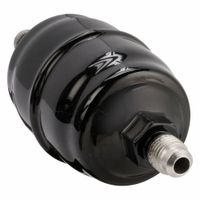
What is the purpose of a filter drier in a refrigeration system?
A filter drier in a refrigeration system serves a crucial dual purpose: it filters out contaminants and removes moisture. Over time, various impurities such as dirt, debris, metal particles, and sludge can accumulate within the system. These contaminants can originate from manufacturing processes, wear and tear on components, or even introduced during maintenance. The filter component of the drier traps these solid particles, preventing them from circulating and potentially damaging sensitive components like the compressor, expansion valve, or capillary tube. Blockages caused by these contaminants can lead to reduced system efficiency, increased energy consumption, and ultimately, system failure.
The second, equally vital, function is moisture removal. Even minute amounts of moisture within a refrigeration system can cause significant problems. Moisture can react with the refrigerant and oil to form corrosive acids, which can degrade internal components and lead to premature system failure. Furthermore, moisture can freeze at the expansion device, causing blockages that hinder refrigerant flow and disrupt cooling. The desiccant material within the drier, typically a molecular sieve or activated alumina, absorbs and holds this moisture, maintaining the dry environment necessary for optimal and long-lasting system operation. By performing both filtration and dehydration, the filter drier acts as a critical protective device, ensuring the longevity, efficiency, and reliable performance of the refrigeration system.
How do I choose the right air conditioning mounting equipment?
Choosing the right air conditioning mounting equipment is crucial for the unit's efficiency, longevity, and safety. Several factors should be considered.
First, assess the type of air conditioner. Window units, split systems, and portable units each have specific mounting requirements. Window units typically rely on the window frame for support, often with additional brackets for security. Split systems require both an indoor evaporator unit and an outdoor condenser unit, each needing appropriate mounting solutions. The indoor unit might be wall-mounted, ceiling-mounted, or floor-standing, each with specific bracket and support needs. The outdoor unit usually sits on a reinforced concrete pad or a dedicated wall-mounted bracket designed to withstand its weight and vibrations.
Second, consider the weight and size of the unit. Mounting equipment must be robust enough to safely bear the air conditioner's weight. Overlooking this can lead to structural damage or the unit falling, posing significant safety risks. Consult the air conditioner's specifications for its exact weight.
Third, evaluate the mounting location. For wall-mounted units, the wall material (e.g., drywall, brick, concrete) dictates the type of anchors and fasteners required. Structural integrity is paramount; ensure the wall can support the load. For outdoor units, consider ground stability, drainage, and accessibility for maintenance. Anti-vibration pads or mounts are often used to reduce noise and wear on the unit and its surroundings.
Finally, think about climate and environmental factors. In areas prone to strong winds or seismic activity, extra bracing or reinforced mounts might be necessary. Exposure to direct sunlight, rain, or corrosive elements (like saltwater in coastal areas) may require weather-resistant and corrosion-proof mounting materials. Always adhere to local building codes and manufacturer recommendations to ensure a secure and compliant installation.