Call +(254) 703 030 000 / 751 483 999 / 721 704 777


Showing 0 products
Frequently Asked Questions
What are the different types of floor machine pads and their uses?
Floor machine pads come in various types, each designed for specific cleaning and maintenance tasks:
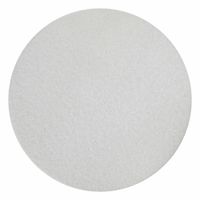
1. **White Pads (Polishing Pads):** These are the softest pads, used for dry or wet polishing to achieve a high-gloss finish on clean, dry floors. They are ideal for buffing and polishing without removing the finish.
2. **Red Pads (Buffing Pads):** Slightly more abrasive than white pads, red pads are used for light cleaning and buffing. They help remove light scuff marks and dirt while maintaining the floor's shine.
3. **Blue Pads (Scrubbing Pads):** These are medium-abrasive pads used for regular scrubbing and cleaning tasks. They effectively remove dirt and scuff marks without stripping the floor finish.
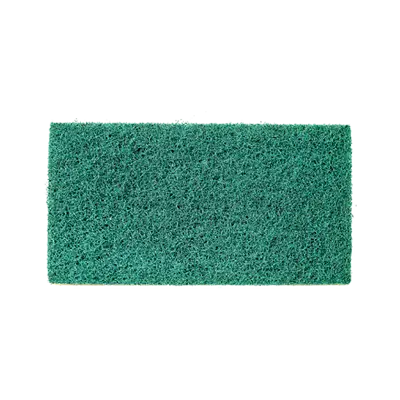
4. **Green Pads (Scrubbing Pads):** More aggressive than blue pads, green pads are used for deep scrubbing and heavy-duty cleaning. They can remove embedded dirt and prepare floors for recoating.
5. **Brown Pads (Stripping Pads):** These are highly abrasive pads used for stripping old finish or wax from floors. They are effective in removing heavy build-up and preparing the floor for refinishing.
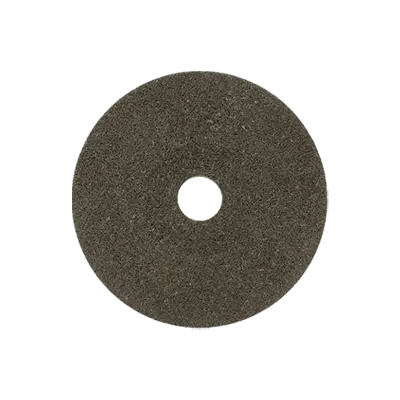
6. **Black Pads (Stripping Pads):** The most aggressive pads, black pads are used for heavy-duty stripping tasks. They remove multiple layers of finish, wax, and dirt, leaving the floor ready for a new finish.
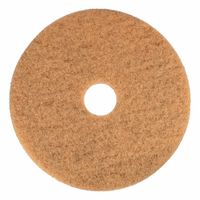
7. **Tan Pads (Burnishing Pads):** Used for high-speed burnishing, tan pads help achieve a high-gloss shine on floors. They are less aggressive and used for routine maintenance.
8. **Maroon Pads (Surface Preparation Pads):** These are used for surface preparation, such as removing top layers of finish without chemicals. They are effective for light stripping and deep cleaning.
Each pad type is color-coded for easy identification and is selected based on the specific floor maintenance task required.
How do I choose the right floor pad for my machine?
1. **Identify Floor Type**: Determine the type of flooring (e.g., concrete, wood, tile) to ensure compatibility with the pad.
2. **Define Cleaning Task**: Decide if you need the pad for stripping, scrubbing, buffing, or polishing. Each task requires a different pad type.
3. **Pad Color Coding**:
- **Black/Brown**: Heavy-duty stripping.
- **Green/Blue**: Scrubbing.
- **Red**: Buffing.
- **White**: Polishing.
4. **Machine Speed**: Check the RPM of your machine. Low-speed machines (175-350 RPM) use different pads than high-speed burnishers (1000+ RPM).
5. **Material Composition**: Choose between natural fibers for a high-gloss finish or synthetic fibers for durability and versatility.
6. **Size and Fit**: Ensure the pad size matches your machine’s pad driver to avoid uneven wear or damage.
7. **Brand and Quality**: Opt for reputable brands known for durability and performance to ensure longevity and effectiveness.
8. **Environmental Considerations**: Consider eco-friendly pads if sustainability is a priority.
9. **Cost vs. Longevity**: Balance initial cost with the pad’s lifespan and performance to ensure value for money.
10. **Trial and Feedback**: Test different pads and gather feedback from users to find the best fit for your needs.
What is the difference between low-speed and high-speed floor pads?
Low-speed floor pads and high-speed floor pads differ primarily in their intended use, speed compatibility, and material composition.
1. **Intended Use**:
- **Low-Speed Floor Pads**: Designed for use with low-speed machines (175-600 RPM). They are typically used for tasks such as stripping, scrubbing, and buffing. These pads are ideal for removing old finishes, deep cleaning, and preparing floors for recoating.
- **High-Speed Floor Pads**: Made for high-speed machines (1000-3000 RPM). They are used for polishing and burnishing, which enhances the shine and appearance of the floor. These pads are not suitable for heavy-duty cleaning or stripping.
2. **Material Composition**:
- **Low-Speed Pads**: Often thicker and more abrasive, made from materials like polyester or nylon with a more open weave. They may contain additional abrasive particles to aid in stripping and scrubbing.
- **High-Speed Pads**: Generally thinner and softer, designed to withstand the heat generated by high-speed machines. They are made from finer fibers and may include synthetic or natural materials like hog hair to enhance polishing.
3. **Performance**:
- **Low-Speed Pads**: Focus on cleaning and preparing floors. They are effective in removing dirt, grime, and old finishes but do not provide a high-gloss finish.
- **High-Speed Pads**: Aim to produce a high-gloss, polished finish. They work by heating and smoothing the floor surface, which enhances the floor's appearance and extends the life of the finish.
4. **Durability**:
- **Low-Speed Pads**: Typically more durable due to their thicker and more robust construction, suitable for heavy-duty tasks.
- **High-Speed Pads**: Less durable under heavy use but designed to withstand the friction and heat of high-speed polishing.
Choosing the right pad depends on the specific floor maintenance task and the type of machine being used.
How often should floor machine pads be replaced?
Floor machine pads should be replaced based on several factors, including the type of pad, frequency of use, floor type, and the specific cleaning or maintenance task. Generally, floor pads should be replaced when they show signs of wear, such as fraying, thinning, or loss of effectiveness in cleaning or polishing.
1. **Type of Pad**: Different pads have different lifespans. For example, stripping pads, which are more abrasive, may need replacement after 1-3 uses, while polishing pads can last longer, up to 20 uses or more, depending on the material and usage.
2. **Frequency of Use**: Pads used daily will wear out faster than those used weekly. Regular inspection is crucial to determine when a pad is no longer effective.
3. **Floor Type**: Harder surfaces may wear down pads more quickly. Conversely, softer surfaces might extend the life of a pad.
4. **Task Specifics**: Stripping, scrubbing, buffing, and polishing all exert different levels of stress on pads. Stripping pads, used for heavy-duty tasks, will need more frequent replacement compared to light-duty polishing pads.
5. **Visual and Performance Indicators**: Replace pads when they become visibly worn, frayed, or when their performance declines. If a pad is not cleaning or polishing effectively, it’s time for a replacement.
6. **Manufacturer Guidelines**: Always refer to the manufacturer's recommendations for specific guidance on pad lifespan and replacement intervals.
Regular maintenance and proper storage can extend the life of floor machine pads. Cleaning pads after each use and storing them flat can help maintain their effectiveness and longevity.
Can floor machine pads be reused after cleaning?
Yes, floor machine pads can be reused after cleaning, provided they are not excessively worn or damaged. To ensure their longevity and effectiveness, follow these steps:
1. **Inspection**: Before cleaning, inspect the pads for wear and tear. If the pad is thin, torn, or has lost its texture, it should be replaced.
2. **Cleaning Process**:
- **Dry Cleaning**: Remove any loose debris or dust by shaking the pad or using a vacuum.
- **Washing**: Soak the pad in warm water mixed with a mild detergent. Use a brush to gently scrub the surface to remove embedded dirt and grime.
- **Rinsing**: Thoroughly rinse the pad with clean water to remove any soap residue.
- **Disinfection**: If necessary, soak the pad in a disinfectant solution to eliminate bacteria and odors.
3. **Drying**: Allow the pad to air dry completely before reuse. Avoid using high heat, as it can damage the pad's material.
4. **Storage**: Store the cleaned pads in a dry, cool place to prevent mold and mildew growth.
5. **Usage**: Rotate pads regularly to ensure even wear and extend their lifespan.
By following these steps, floor machine pads can be effectively reused, reducing waste and saving costs. However, always adhere to the manufacturer's guidelines for specific cleaning and maintenance instructions.
What maintenance is required for floor machine pads?
To maintain floor machine pads effectively, follow these steps:
1. **Regular Cleaning**: After each use, clean the pads to remove dirt, debris, and chemical residues. Rinse them thoroughly with water and a mild detergent if necessary. This prevents buildup that can reduce effectiveness and cause damage to floors.
2. **Drying**: Allow pads to dry completely before storing. Moisture can lead to mold and mildew, which can degrade the pad material and affect performance.
3. **Inspection**: Regularly inspect pads for wear and tear. Look for thinning, fraying, or uneven surfaces. Replace pads that show significant wear to ensure optimal performance and prevent damage to floors.
4. **Rotation**: Rotate pads frequently to ensure even wear. This extends the life of the pads and maintains consistent cleaning results.
5. **Proper Storage**: Store pads flat in a clean, dry area. Avoid stacking them in a way that could cause warping or deformation. Use a pad holder or rack if available.
6. **Correct Usage**: Use the right pad for the specific floor type and machine speed. Using the wrong pad can lead to premature wear and ineffective cleaning.
7. **Avoid Overuse**: Do not use pads beyond their intended lifespan. Overused pads can damage floors and reduce cleaning efficiency.
8. **Labeling**: Label pads for specific tasks or areas to prevent cross-contamination and ensure they are used appropriately.
9. **Training**: Ensure that all operators are trained in proper pad maintenance and usage to maximize pad life and cleaning effectiveness.
By following these maintenance practices, you can extend the life of floor machine pads, maintain their effectiveness, and ensure safe and efficient floor cleaning operations.
How do I properly clean and store floor machine pads?
To properly clean and store floor machine pads, follow these steps:
1. **Immediate Cleaning**: After use, remove the pad from the machine. Rinse it under warm water to remove loose debris and dirt.
2. **Deep Cleaning**: Fill a bucket with warm water and add a mild detergent. Submerge the pad and use a soft brush to scrub both sides gently. Focus on areas with heavy soil or residue.
3. **Rinsing**: Thoroughly rinse the pad with clean water to remove all soap and dirt. Ensure no detergent remains, as it can affect the pad's performance.
4. **Drying**: Shake off excess water and lay the pad flat to air dry. Avoid direct sunlight or high heat, as these can damage the pad material. Ensure the pad is completely dry before storing to prevent mold and mildew.
5. **Inspection**: Check the pad for wear and tear. If the pad is excessively worn or damaged, replace it to ensure optimal performance.
6. **Storage**: Store pads flat in a clean, dry area. Avoid stacking them on top of each other to prevent deformation. Use a rack or shelf to keep them organized and easily accessible.
7. **Labeling**: If you use different pads for various tasks, label them accordingly to avoid cross-contamination and ensure they are used for their intended purpose.
8. **Regular Maintenance**: Regularly inspect and clean pads even when not in use to maintain their condition and extend their lifespan.
By following these steps, you ensure that your floor machine pads remain effective and last longer, providing optimal cleaning results.