Understanding Safety Signage: What Every Worker Should Know.
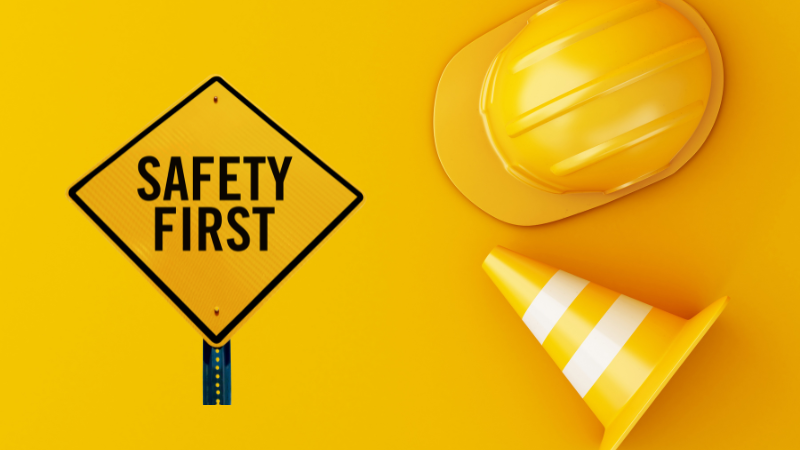
Safety at work is built on awareness, training, and the ability to recognize hazards before they cause harm. In the construction and industrial maintenance industries, where risks are part of daily operations, safety signage plays a vital role.
Whether you’re on a building site, in a factory, or maintaining heavy machinery, understanding safety signage isn’t just about compliance — it’s about keeping yourself and your team safe.
What Is Safety Signage?
Safety signage refers to the visual symbols, colors, and messages placed around workplaces to communicate warnings, instructions, and safety information.
These signs are designed to be easily recognized and understood — even at a glance or from a distance — using standardized colors and shapes based on international safety standards such as ISO 7010 and OSHA regulations.
In short:
Safety signs tell you what to do, what to avoid, and where to go to stay safe.
Why Safety Signage Matters in Construction and Maintenance
On construction sites or industrial facilities, workers deal with power tools, heavy machinery, chemicals, and high-risk zones daily. In such environments, clear safety signage:
-
Prevents accidents and injuries by alerting workers to potential hazards.
-
Improves communication among teams, especially in multilingual workplaces.
-
Supports legal compliance with health and safety regulations.
-
Promotes a safety-first culture, reminding everyone that awareness saves lives.
Even experienced professionals can overlook dangers under pressure. Signage bridges that gap — a constant, visual reminder that safety comes first.
Types of Workplace Safety Signage
Safety signs are color-coded and shaped to deliver messages instantly. Below is a simple reference table showing the main types of signs you’ll see in construction and industrial settings.
|
Sign Type |
Color / Shape |
Meaning / Use |
|
Prohibition Signs |
Red circle with a diagonal line |
Something you must not do |
|
Mandatory Signs |
Blue circle |
Actions you must take |
|
Warning Signs |
Yellow triangle with black border |
Warn of potential hazards |
|
Emergency Information Signs |
Green rectangle or square |
Indicate safe routes or first-aid locations |
|
FireSafety Signs |
Red rectangle or square |
Show locations of fire equipment |
|
Information/ Notice Signs |
White or blue background |
General instructions or updates |
Tip: Always take a moment to read and follow signage before entering any new work area — even familiar spaces can change with new hazards or operations.
Common Safety Symbols and Their Meanings
Some safety symbols are instantly recognizable — but others can be easy to overlook. Here are a few commonly used ones across construction and industrial environments:
-
🦺 Hard Hat Required – Protects against falling or flying objects.
-
🥽 Eye Protection Must Be Worn – Guards against dust, sparks, and chemicals.
-
⚡ High Voltage – Electrical hazard; keep clear or switch off power before maintenance.
-
🔥 Flammable Materials – Keep away from open flames or sparks.
-
🚫 No Entry – Restricted area, often due to operational hazards.
-
🏃♂️ Emergency Exit – Follow this sign in case of fire or evacuation.
These universal icons ensure anyone — regardless of language — can interpret warnings quickly and take appropriate action.

Best Practices for Workers
Even the best signage only works when people pay attention. Here’s how workers and technicians can make the most of workplace signage:
-
Stay observant: Always look out for new or temporary signs when entering different work zones.
-
Follow instructions immediately: Signs are there for your protection — don’t delay compliance.
-
Report missing or damaged signs: Faded, blocked, or missing signage should be reported to your supervisor.
-
Update your knowledge: Safety standards evolve. Attend toolbox talks or safety inductions regularly.
-
Lead by example: Encourage co-workers to respect signage and maintain a culture of safety awareness.
Safety Signage Maintenance and Placement
Good safety management doesn’t stop at installation. Supervisors and safety officers should ensure:
-
Signs are visible, clean, and unobstructed.
-
Colors and symbols follow standard codes (ISO 7010, OSHA, or local regulations).
-
Signage is placed at eye level and near the relevant hazard or equipment.
-
Regular inspections are carried out — especially after construction phases or layout changes.
When signage is properly placed and maintained, it becomes one of the simplest yet most effective risk control measures on-site.
Conclusion
Safety signage is the silent language of protection on any construction or industrial site. Understanding what each symbol and color means ensures you and your team stay alert, compliant, and safe.
From simple “No Smoking” notices to complex hazard warnings, every sign serves a purpose: to save time, prevent injury, and safeguard lives.
So, the next time you step onto a job site — read the signs, follow the rules, and work smart.
FAQs
Why are safety signs important at work?
They communicate critical information to prevent accidents, guide workers during emergencies, and ensure compliance with safety laws.
What do the colors on safety signs mean?
Red means prohibition or fire, yellow means warning, blue means mandatory action, and green indicates safe conditions.
Who is responsible for safety signage?
Employers and site managers must ensure proper placement and upkeep, but all workers share responsibility by following them.
Can old or faded signs be used?
No. Damaged or faded signs reduce visibility and can lead to misinterpretation. They must be replaced immediately.
Are safety symbols universal?
Yes, most are standardized globally under ISO 7010, making them easy to recognize regardless of language.
DISCLAIMER:
The information provided in this blog post is intended for general informational purposes only and should not be construed as professional advice. While we strive to provide accurate and up-to-date information, we make no representations or warranties of any kind, express or implied, about the completeness, accuracy, reliability, suitability, or availability of the content contained herein. Any reliance you place on the information presented in this blog post is strictly at your own risk. We disclaim any liability for any loss or damage, including without limitation, indirect or consequential loss or damage, or any loss or damage whatsoever arising from reliance on information contained in this blog post. We encourage readers to verify the accuracy and relevance of any information presented here with other sources and seek professional advice or guidance where appropriate. Links to third-party websites or resources provided in this blog post are for convenience only and do not imply endorsement or approval of the content, products, services, or opinions expressed on those websites. We have no control over the nature, content, and availability of those sites and assume no responsibility for their accuracy, legality, or decency. We reserve the right to modify, update, or remove any content in this blog post at any time without prior notice. By accessing and using this blog post, you acknowledge and agree to these terms and conditions. If you do not agree with these terms, please refrain from accessing or using the information provided herein.
Related Posts


What Bathroom Partitions Have to Survive

Pipe Fittings Explained: Types, Materials and How to Choose

Box Stapler Guide: Types, Staple Sizes and How to Choose One