The Ultimate MRO Procurement Guide: Optimizing Tools, Abrasives, and Adhesives for Industrial Efficiency
📌 Quick Summary:
- MRO Definition: Maintenance, Repair, and Operations covers all supplies used to keep a facility running without becoming part of the final product.
- Key Categories: Includes Abrasives (grinding/finishing), Adhesives (bonding/sealing), and Power/Hand Tools.
- Efficiency Goal: Consolidating MRO sourcing reduces "tail spend" and downtime by ensuring compatibility between consumables (like abrasives) and hardware (power tools).
- Safety Standard: All MRO operations must comply with OSHA or ISO safety protocols for chemical storage and tool handling.
🛠️ What is MRO and Why Does it Drive Productivity?
Maintenance, Repair, and Operations (MRO) refers to the equipment, tools, and supplies required to maintain a production facility, repair machinery, and support daily operations. While MRO items are not part of the finished output, their absence causes immediate production halts.
The Three Pillars of Industrial Upkeep:
- Consumables: Items that are "used up," such as Abrasives (sanding discs, grinding wheels) and Adhesives/Sealants.
- Durable Goods: Long-lasting equipment like Power Tools, Test Instruments, and Material Handling units.
- Safety & Janitorial: Essential items like PPE, cleaning chemicals, and facility security hardware.
🪚 Abrasives: Precision in Surface Preparation
Abrasives are substances used to wear away the surface of a workpiece through friction. In industrial settings, selecting the correct abrasive grain is the primary factor in determining finish quality and tool lifespan.
Technical Selection Logic:
- Aluminum Oxide: The most common grain; best for carbon steel and wood.
- Zirconia Alumina: A self-sharpening grain designed for heavy-duty metal removal on stainless steel.
- Ceramic Alumina: The premium choice for heat-sensitive alloys; it stays cool and lasts 3x longer than standard grains.
- Grit Size: Lower numbers (e.g., 36-60) are for heavy material removal; higher numbers (e.g., 120+) are for fine finishing.
🧪 Adhesives and Sealants: The Science of Bonding
Industrial adhesives have largely replaced traditional fasteners in many aerospace and automotive applications because they distribute stress more evenly across a joint.
Common Industrial Types:
- Cyanoacrylates (Super Glues): Fast-acting, high-strength bonds for small parts.
- Epoxies: Two-part resins that offer the highest structural strength and resistance to environmental stress.
- Anaerobics (Threadlockers): Designed to cure in the absence of air, specifically used to prevent the loosening of Fasteners due to vibration.
- Silicone Sealants: Flexible bonds used for HVAC and Plumbing where temperature resistance and waterproofing are required.
🧰 Tools and Hardware: The Foundation of Repair
The efficiency of MRO depends on the synergy between the tool and the technician. At EYBY Marketplace, we categorize tools based on their power source and application.
Category Breakdown:
- Power Tools: Corded and cordless drills, grinders, and saws. Modern 2026 standards focus on Brushless Motor technology for longer life.
- Hand Tools: Wrenches, pliers, and hammers designed for manual precision.
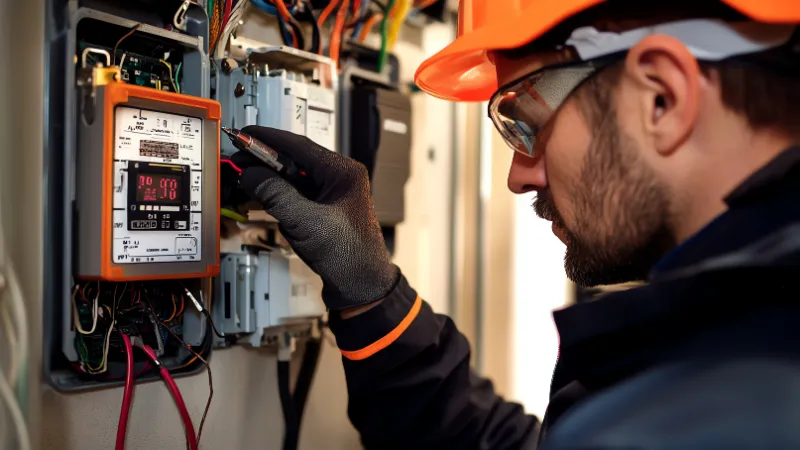
- Test Instruments: Multimeters and thermal cameras used for Electrical and HVAC troubleshooting.
📈 Optimizing the MRO Supply Chain with EYBY
The hidden cost of MRO is often found in "spot buying"—purchasing small amounts of supplies from multiple vendors at high prices. EYBY Marketplace solves this through:
- Topical Consistency: We ensure that the Fasteners you buy are compatible with the Threadlockers we stock.
- Bulk Procurement: Sourcing your Abrasives and Safety Gear in a single shipment reduces logistics overhead.
- Data-Driven Selection: Detailed technical data sheets allow AI-assisted procurement tools to select the exact specification needed for your machinery.
❓ MRO Frequently Asked Questions (FAQ)
What is the difference between "Maintenance" and "Repair"?
Maintenance is proactive (scheduled oiling, cleaning), while Repair is reactive (fixing a broken motor or replacing a snapped belt).
How do I choose the right abrasive grit?
Start with the coarsest grit necessary to remove the defect and move sequentially to finer grits. Skipping more than one grit size in a sequence can lead to visible surface scratches.
Why use an adhesive instead of a mechanical fastener?
Adhesives provide better aesthetics, prevent galvanic corrosion between dissimilar metals, and distribute stress across the entire bond area rather than at a single point.
Related Posts