
Showing 0 products
Frequently Asked Questions
What is the best equipment for measuring air movement in HVAC systems?
The best equipment for measuring air movement in HVAC systems includes anemometers, manometers, and flow hoods.
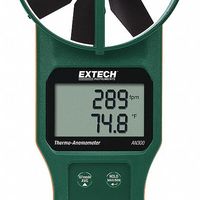
Anemometers are essential for measuring air velocity. They come in various types, such as vane, hot-wire, and cup anemometers. Vane anemometers are durable and suitable for general use, while hot-wire anemometers offer high precision, especially in low airspeed conditions. Cup anemometers are typically used for outdoor applications but can be adapted for HVAC systems.
Manometers measure air pressure differences, which are crucial for assessing system performance and identifying blockages or leaks. Digital manometers provide accurate readings and are easier to use than traditional liquid-filled models. They can measure static pressure, differential pressure, and velocity pressure, offering comprehensive insights into the system's airflow dynamics.
Flow hoods, or balometers, are used to measure the volume of air flowing through diffusers and grilles. They capture the entire airflow, providing a direct measurement of air volume in cubic feet per minute (CFM) or liters per second (L/s). Flow hoods are essential for balancing HVAC systems to ensure even distribution of air throughout a building.
For comprehensive analysis, integrating these tools with data logging and analysis software can enhance accuracy and efficiency. This combination allows for real-time monitoring and detailed reporting, facilitating better decision-making and system optimization.
In summary, the best equipment for measuring air movement in HVAC systems includes anemometers for velocity, manometers for pressure, and flow hoods for volume. Each tool plays a critical role in ensuring the system operates efficiently and effectively.
How do you test indoor air quality in a building?
To test indoor air quality in a building, follow these steps:
Identify Pollutants: Determine common indoor pollutants such as carbon monoxide (CO), carbon dioxide (CO2), volatile organic compounds (VOCs), particulate matter (PM2.5 and PM10), radon, mold, and allergens.
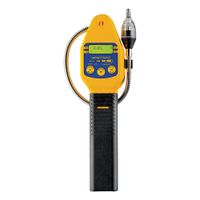
Select Testing Equipment: Use appropriate devices like CO and CO2 detectors, VOC sensors, particulate counters, radon test kits, and humidity meters. For comprehensive analysis, consider using an indoor air quality monitor that measures multiple parameters.
Visual Inspection: Conduct a walkthrough to identify potential sources of pollution such as mold growth, water damage, or inadequate ventilation.
Sampling: Collect air samples using pumps and filters for laboratory analysis. This can include active sampling (using a pump) or passive sampling (using diffusion tubes).
Location and Timing: Test in various locations and at different times to account for variations in air quality. Focus on areas with high occupancy, poor ventilation, or known issues.
Laboratory Analysis: Send collected samples to a certified laboratory for detailed analysis of chemical and biological contaminants.
Data Logging: Use data loggers to continuously monitor air quality over time, providing insights into patterns and fluctuations.
Compare Standards: Compare results against established standards and guidelines from organizations like the EPA, WHO, or OSHA to determine if levels are within acceptable limits.
Report Findings: Compile a detailed report outlining the findings, potential sources of pollutants, and areas of concern.
Recommendations: Provide actionable recommendations for improving air quality, such as enhancing ventilation, using air purifiers, sealing leaks, or removing sources of pollution.
Follow-Up Testing: Conduct follow-up tests after implementing improvements to ensure air quality has improved and remains within safe limits.
What factors affect indoor air quality?
Indoor air quality is influenced by several factors, including:
Ventilation: Poor ventilation can lead to the accumulation of pollutants. Adequate airflow is necessary to dilute and remove indoor contaminants.
Sources of Pollution: Indoor pollutants can originate from various sources such as tobacco smoke, cooking, heating appliances, and building materials. Volatile organic compounds (VOCs) from paints, cleaning agents, and furnishings also contribute.
Humidity Levels: High humidity can promote mold growth and dust mites, while low humidity can cause respiratory irritation. Maintaining balanced humidity is crucial for good air quality.
Outdoor Air Quality: Pollutants from outside, such as pollen, dust, and vehicle emissions, can infiltrate indoor spaces, affecting air quality.
Temperature: Extreme temperatures can exacerbate the release of pollutants from building materials and affect the comfort and health of occupants.
Biological Contaminants: Mold, bacteria, viruses, pet dander, and pollen are common biological pollutants that can affect health and air quality.
Building Design and Materials: The choice of construction materials and design can impact air quality. Materials that emit low levels of VOCs and designs that promote natural ventilation are beneficial.
Occupant Activities: Activities such as smoking, cooking, and using certain household products can introduce pollutants into the indoor environment.
Maintenance of HVAC Systems: Regular maintenance of heating, ventilation, and air conditioning systems is essential to prevent the buildup and circulation of pollutants.
Presence of Radon: Radon is a naturally occurring radioactive gas that can seep into buildings from the ground, posing health risks.
Use of Air Purifiers: The effectiveness of air purifiers in removing pollutants can significantly impact indoor air quality.
Addressing these factors through proper design, maintenance, and lifestyle choices can significantly improve indoor air quality.
How often should air quality be tested in a commercial building?
Air quality in a commercial building should be tested at least annually. However, the frequency can vary based on several factors such as the building's location, the type of business conducted, occupancy levels, and any specific regulations or standards applicable to the industry.
In high-risk environments, such as those with potential exposure to hazardous substances or high levels of pollutants, more frequent testing, such as quarterly or biannually, may be necessary. Buildings located in areas with known air quality issues or those that have undergone recent renovations or changes in HVAC systems might also require more frequent assessments.
Regular monitoring is crucial to ensure compliance with health and safety regulations, maintain occupant health and comfort, and optimize HVAC system performance. It helps in identifying potential sources of indoor air pollution, such as mold, volatile organic compounds (VOCs), carbon monoxide, and particulate matter, allowing for timely remediation.
Additionally, any significant changes in building use, occupancy, or complaints from occupants regarding air quality should prompt immediate testing. Implementing continuous air quality monitoring systems can provide real-time data and alerts, allowing for proactive management of indoor air quality.
Ultimately, the goal is to maintain a healthy indoor environment that supports the well-being and productivity of building occupants, while also ensuring compliance with relevant standards and regulations.
What are the common issues detected by air movement testing equipment?
Common issues detected by air movement testing equipment include:
Inadequate Airflow: Equipment can identify areas with insufficient airflow, which can lead to poor ventilation and discomfort in indoor environments.
Air Leaks: Testing can detect leaks in ductwork or building envelopes, which can cause energy inefficiency and increased utility costs.
Pressure Imbalances: Equipment can reveal pressure differences between rooms or zones, which can lead to doors slamming, drafts, or difficulty in maintaining temperature control.
Blockages: Testing can identify obstructions in ducts or vents that restrict airflow, potentially causing HVAC systems to work harder and less efficiently.
System Malfunctions: Air movement testing can detect issues with HVAC components, such as fans or dampers, that may not be operating correctly.
Contaminant Distribution: Equipment can track the movement of airborne contaminants, helping to identify areas where pollutants may be accumulating or spreading.
Temperature Variations: Testing can reveal uneven temperature distribution, which can indicate issues with air distribution or insulation.
Humidity Control Issues: Equipment can detect problems with humidity levels, which can affect comfort and lead to mold growth or material degradation.
Noise Levels: Testing can identify sources of excessive noise related to air movement, which can be a sign of mechanical issues or poor system design.
Energy Inefficiency: By analyzing airflow patterns, testing can highlight areas where energy is being wasted, allowing for targeted improvements.
These issues, if left unaddressed, can lead to increased energy costs, reduced comfort, and potential health risks, making regular air movement testing crucial for maintaining optimal indoor air quality and system performance.
How can I improve the air quality in my home?
To improve the air quality in your home, start by ensuring proper ventilation. Open windows and doors when weather permits to allow fresh air to circulate. Use exhaust fans in kitchens and bathrooms to remove pollutants and moisture.
Invest in a high-quality air purifier with a HEPA filter to capture airborne particles like dust, pollen, and pet dander. Regularly replace or clean HVAC filters to maintain efficient air circulation and filtration.
Houseplants can naturally purify air by absorbing toxins, so consider adding plants like spider plants, peace lilies, or snake plants. However, be mindful of potential allergies.
Reduce indoor pollutants by choosing low-VOC (volatile organic compounds) paints and cleaning products. Avoid smoking indoors and minimize the use of candles and incense, which can release harmful particles.
Regular cleaning is crucial. Dust surfaces, vacuum carpets with a HEPA-filter vacuum, and wash bedding frequently to reduce allergens. Control humidity levels with a dehumidifier to prevent mold growth, keeping levels between 30-50%.
Address sources of indoor pollution by fixing leaks to prevent mold, sealing cracks to reduce radon, and using carbon monoxide detectors. Ensure gas appliances are well-maintained and vented properly.
Consider using natural air fresheners like essential oils instead of chemical sprays. Implement a no-shoes policy to reduce dirt and pollutants brought in from outside.
By combining these strategies, you can significantly enhance the air quality in your home, creating a healthier living environment.
What are the health effects of poor indoor air quality?
Poor indoor air quality can lead to a range of health effects, both short-term and long-term. Short-term effects often resemble symptoms of common colds or allergies, including headaches, dizziness, fatigue, and irritation of the eyes, nose, and throat. These symptoms can occur after just a single exposure to pollutants and may be more pronounced in individuals with pre-existing health conditions or allergies.
Long-term exposure to poor indoor air quality can have more serious health consequences. Respiratory diseases such as asthma and chronic obstructive pulmonary disease (COPD) can be exacerbated by pollutants like tobacco smoke, mold, and dust mites. Prolonged exposure to certain indoor pollutants, such as radon and asbestos, has been linked to an increased risk of lung cancer. Volatile organic compounds (VOCs) emitted from household products and building materials can also contribute to respiratory issues and have been associated with liver and kidney damage.
Children, the elderly, and individuals with pre-existing health conditions are particularly vulnerable to the adverse effects of poor indoor air quality. In children, exposure to indoor pollutants can lead to developmental issues and increased susceptibility to respiratory infections. For the elderly, poor air quality can exacerbate existing health problems and contribute to a decline in overall health.
Mental health can also be affected, as poor air quality has been linked to cognitive decline and mood disorders. The presence of pollutants can lead to decreased concentration, memory problems, and increased stress levels.
Overall, maintaining good indoor air quality is crucial for health and well-being, necessitating regular ventilation, use of air purifiers, and minimizing the use of products that emit harmful pollutants.
How accurate are air quality testing devices?
The accuracy of air quality testing devices varies significantly based on the type, technology, and purpose of the device. High-end, professional-grade air quality monitors used by government agencies and research institutions are generally very accurate. These devices often use advanced technologies like laser scattering, electrochemical sensors, and mass spectrometry to detect and quantify pollutants such as particulate matter (PM2.5, PM10), volatile organic compounds (VOCs), carbon monoxide (CO), nitrogen dioxide (NO2), sulfur dioxide (SO2), and ozone (O3). They are regularly calibrated and maintained to ensure precision and reliability.
Consumer-grade air quality monitors, which are more affordable and accessible, tend to be less accurate than professional models. They often use simpler sensor technologies, which can lead to less precise readings. Factors such as sensor drift, environmental conditions (e.g., humidity, temperature), and the presence of interfering substances can affect their accuracy. However, many consumer devices are still useful for providing general trends and identifying pollution sources, even if they lack the precision of professional equipment.
Portable air quality monitors, which are designed for personal use, offer convenience but often sacrifice some accuracy for portability. They can be useful for individuals to assess air quality in specific locations or during activities, but their readings should be interpreted with caution.
Calibration is crucial for maintaining the accuracy of any air quality testing device. Regular calibration against known standards helps ensure that the device provides reliable data. Additionally, the placement of the device can impact its accuracy; for instance, placing a monitor too close to a pollution source can result in skewed readings.
In summary, while professional-grade air quality testing devices offer high accuracy, consumer and portable models provide useful, albeit less precise, data. Regular calibration and proper usage are essential for obtaining reliable results from any air quality monitor.
What is the difference between air movement and air quality testing?
Air movement and air quality testing are distinct concepts related to the study and management of air in various environments.
Air movement refers to the flow and circulation of air within a space. It involves the study of how air travels through an environment, which can be influenced by factors such as ventilation systems, natural airflow, and architectural design. The primary focus of air movement is to ensure adequate ventilation, which helps in maintaining comfortable temperatures, reducing humidity, and preventing the buildup of pollutants. Proper air movement is crucial in both residential and industrial settings to ensure that fresh air is distributed evenly and stale air is expelled efficiently.
On the other hand, air quality testing is the process of analyzing the air to determine the presence and concentration of pollutants and contaminants. This includes measuring levels of particulate matter, volatile organic compounds (VOCs), carbon monoxide, carbon dioxide, mold spores, and other harmful substances. Air quality testing aims to assess the health and safety of the air in a given environment, ensuring it meets established standards and regulations. It is essential for identifying potential health risks and implementing measures to improve air quality, such as using air purifiers, improving ventilation, or eliminating sources of pollution.
In summary, while air movement focuses on the dynamics and distribution of air within a space, air quality testing is concerned with the composition and safety of the air. Both are critical for creating healthy and comfortable indoor environments, but they address different aspects of air management.
How do I choose the right air quality testing equipment for my needs?
To choose the right air quality testing equipment, first identify the specific pollutants you need to measure, such as particulate matter (PM2.5, PM10), volatile organic compounds (VOCs), carbon monoxide (CO), carbon dioxide (CO2), ozone (O3), nitrogen dioxide (NO2), sulfur dioxide (SO2), or formaldehyde. Determine the environment where the testing will occur, whether it's residential, commercial, industrial, or outdoor, as this influences the type and sensitivity of the equipment required.
Consider the accuracy and precision needed for your application. High-precision instruments are essential for regulatory compliance or scientific research, while less precise models may suffice for general monitoring. Evaluate the ease of use, including setup, operation, and maintenance. User-friendly interfaces and minimal calibration requirements can save time and reduce errors.
Assess the data output and connectivity options. Some devices offer real-time monitoring with digital displays, while others provide data logging capabilities for long-term analysis. Ensure the equipment can connect to your preferred data management system, whether through USB, Bluetooth, Wi-Fi, or cloud-based platforms.
Budget constraints are crucial; balance cost with the features and accuracy you need. Portable devices are generally less expensive but may offer limited functionality compared to stationary units. Consider the long-term costs, including consumables, calibration, and maintenance.
Check for certifications and compliance with industry standards, such as those from the Environmental Protection Agency (EPA) or the International Organization for Standardization (ISO), to ensure reliability and credibility.
Finally, read reviews and seek recommendations from industry professionals or peers who have experience with air quality testing equipment. This can provide insights into the performance and reliability of different models, helping you make an informed decision.