Call +(254) 703 030 000 / 751 483 999 / 721 704 777

.....Read More
Frequently Asked Questions
What do different traffic control signs mean?
Traffic control signs are essential for road safety and efficient traffic management. Here's a brief overview of their meanings:
1. **Regulatory Signs**: These signs enforce traffic laws and regulations.
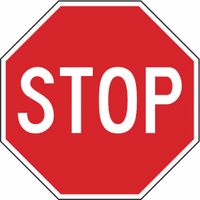
- **Stop Sign**: Requires a complete stop at an intersection.
- **Yield Sign**: Indicates that drivers must slow down and yield to oncoming traffic.
- **Speed Limit Sign**: Displays the maximum legal speed.
- **No Entry Sign**: Prohibits entry into a road or area.
2. **Warning Signs**: Alert drivers to potential hazards or changes in road conditions.
- **Curve Ahead Sign**: Warns of a sharp turn or curve.
- **Pedestrian Crossing Sign**: Indicates a pedestrian crosswalk.
- **Slippery Road Sign**: Warns of conditions that may cause skidding.
- **Animal Crossing Sign**: Alerts drivers to areas where animals frequently cross.
3. **Guide Signs**: Provide directional and mileage information.
- **Highway Exit Sign**: Indicates an upcoming exit.
- **Destination Sign**: Shows directions and distances to various locations.
- **Service Sign**: Points to nearby services like gas stations or hospitals.
4. **Construction Signs**: Inform about road work and temporary conditions.
- **Detour Sign**: Directs traffic around construction zones.
- **Road Work Ahead Sign**: Alerts drivers to upcoming construction.
- **Lane Closed Sign**: Indicates a lane closure due to construction.
5. **Informational Signs**: Offer general information to assist drivers.
- **Rest Area Sign**: Indicates the location of rest stops.
- **Parking Sign**: Provides information on parking rules and locations.
Each sign uses specific shapes, colors, and symbols to convey its message quickly and effectively to drivers.
How do parking signs indicate restrictions?
Parking signs indicate restrictions through a combination of symbols, colors, text, and time frames. Typically, these signs are designed to convey clear information to drivers about when and where they can park, as well as any specific conditions that apply.
1. **Colors**:
- **Red**: Often used to indicate prohibitions, such as "No Parking" or "No Stopping."
- **Green**: Usually signifies that parking is allowed, often with specific conditions.
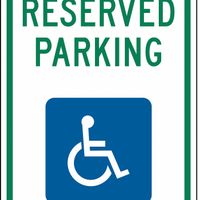
- **Blue**: Commonly used for handicapped parking zones.
2. **Symbols**:
- A red circle with a slash through a "P" indicates no parking.
- A clock symbol may indicate time-limited parking.
3. **Text**:
- Provides specific details such as "No Parking," "Loading Zone," or "Permit Required."
- May include additional instructions like "Tow Away Zone" or "Fire Lane."
4. **Time Frames**:
- Signs often specify days and hours when restrictions apply, such as "No Parking 8 AM - 6 PM, Mon-Fri."
- Some signs indicate seasonal restrictions, like "No Parking During Snowfall."
5. **Arrows**:
- Indicate the direction in which the restrictions apply, helping drivers understand the extent of the restricted area.
6. **Additional Information**:
- Some signs include information about fines or penalties for violations.
- May also provide contact information for towing services.
By combining these elements, parking signs communicate essential information to ensure compliance and maintain traffic flow. Understanding these signs helps drivers avoid fines and ensures that parking spaces are used efficiently.
What are the penalties for ignoring traffic signs?
Penalties for ignoring traffic signs vary by jurisdiction but generally include:
1. **Fines**: Monetary penalties are the most common consequence. The amount can vary based on the severity of the violation and local laws.
2. **Points on Driving Record**: Many regions use a point system where each traffic violation adds points to a driver's record. Accumulating too many points can lead to increased insurance premiums or license suspension.
3. **License Suspension or Revocation**: Repeated offenses or severe violations can result in temporary suspension or permanent revocation of a driver's license.
4. **Traffic School**: Offenders may be required to attend traffic school or defensive driving courses to improve their understanding of road rules and reduce points on their record.
5. **Increased Insurance Premiums**: Traffic violations can lead to higher insurance rates as they indicate risky driving behavior.
6. **Court Appearance**: Some violations may require the driver to appear in court, where additional penalties or community service may be imposed.
7. **Criminal Charges**: In cases where ignoring a traffic sign leads to an accident causing injury or death, criminal charges such as reckless driving or vehicular manslaughter may be filed.
8. **Vehicle Impoundment**: In certain situations, especially if the driver is unlicensed or uninsured, the vehicle may be impounded.
9. **Community Service**: Some jurisdictions may impose community service as a penalty for traffic violations.
10. **Probation**: Drivers may be placed on probation, during which any further violations could result in harsher penalties.
Penalties are designed to deter unsafe driving and ensure compliance with traffic laws to maintain road safety.
How are traffic signs designed for visibility?
Traffic signs are designed for visibility through several key factors:
1. **Color**: Bright, contrasting colors like red, yellow, and green are used to grab attention and convey specific meanings. Red often indicates stop or prohibition, yellow for caution, and green for directional guidance.
2. **Shape**: Distinct shapes help in quick recognition. For example, octagons are used for stop signs, triangles for yield, and circles for railroad crossings.
3. **Size**: Signs are sized according to their purpose and the speed of the road. Larger signs are used on highways to ensure they are visible from a distance.
4. **Reflective Materials**: High-intensity reflective sheeting is used to ensure signs are visible at night or in low-light conditions. This material reflects headlights back to the driver, enhancing nighttime visibility.
5. **Font and Lettering**: Clear, bold fonts like Highway Gothic or Clearview are used for readability. The size of the letters is proportional to the speed limit, ensuring drivers have enough time to read the sign.
6. **Placement**: Signs are strategically placed at eye level and at consistent distances from the road to ensure they are within the driver’s line of sight. They are also positioned to provide adequate reaction time.
7. **Symbols and Pictograms**: Universal symbols are used to overcome language barriers and convey messages quickly. These are standardized to ensure consistency across regions.
8. **Contrast and Background**: High contrast between the text/symbols and the background enhances readability. For instance, black text on a white or yellow background is commonly used.
These design elements work together to ensure that traffic signs are easily recognizable, readable, and understandable, thereby enhancing road safety.
What is the importance of traffic control signs?
Traffic control signs are crucial for maintaining order and safety on roadways. They provide essential information to drivers, pedestrians, and cyclists, helping to prevent accidents and ensure smooth traffic flow. These signs communicate rules, warnings, and guidance, allowing road users to make informed decisions.
Firstly, traffic signs enhance safety by alerting drivers to potential hazards, such as sharp turns, pedestrian crossings, or school zones. Warning signs give drivers time to adjust their speed and driving behavior, reducing the risk of accidents. Regulatory signs, like stop signs and speed limits, enforce traffic laws and promote orderly conduct on the roads.
Secondly, traffic signs facilitate efficient traffic management. Directional signs guide drivers to their destinations, minimizing confusion and congestion. By clearly indicating routes, exits, and detours, these signs help maintain a steady flow of traffic, reducing delays and improving travel times.
Moreover, traffic signs contribute to the protection of vulnerable road users. Pedestrian and cyclist-specific signs ensure that drivers are aware of shared spaces and prioritize the safety of non-motorized road users. This is particularly important in urban areas with high foot traffic.
Additionally, traffic signs support legal enforcement. They provide a basis for traffic regulations, allowing authorities to issue fines and penalties for violations. This enforcement helps deter reckless driving and encourages compliance with traffic laws.
In summary, traffic control signs are vital for road safety, efficient traffic flow, and legal enforcement. They provide necessary information and guidance, helping to prevent accidents and ensure that all road users can navigate the roads safely and efficiently.
How do temporary traffic signs differ from permanent ones?
Temporary traffic signs differ from permanent ones in several key aspects:
1. **Material and Construction**: Temporary signs are often made from lightweight materials like plastic or thin metal, allowing for easy transport and installation. Permanent signs are typically constructed from more durable materials such as heavy-duty aluminum or steel to withstand long-term exposure to weather and environmental conditions.
2. **Design and Visibility**: Temporary signs are designed for high visibility and may include bright colors, reflective surfaces, or flashing lights to attract attention quickly. Permanent signs also use reflective materials but are designed for consistent visibility over time rather than immediate attention.
3. **Installation and Placement**: Temporary signs are usually mounted on portable stands or frames, making them easy to move and adjust as needed. Permanent signs are securely installed on fixed posts or structures, often requiring professional installation to ensure stability and compliance with regulations.
4. **Purpose and Duration**: Temporary signs are used for short-term situations such as road construction, detours, or special events. They are intended to provide guidance or warnings for a limited period. Permanent signs convey ongoing regulations, directions, or information, such as speed limits, stop signs, or street names.
5. **Regulatory Compliance**: Both types of signs must comply with local, state, or national traffic regulations, but temporary signs may have more flexible standards due to their short-term nature. Permanent signs must adhere to strict guidelines to ensure consistency and safety.
6. **Cost and Maintenance**: Temporary signs are generally less expensive and require minimal maintenance due to their short lifespan. Permanent signs involve higher initial costs and ongoing maintenance to ensure they remain legible and effective over time.
What are the rules for parking in restricted zones?
Parking in restricted zones is governed by specific rules that vary by location, but generally include the following:
1. **Signage Compliance**: Always observe and comply with posted signs indicating restricted parking areas. These signs may specify time limits, permit requirements, or complete prohibitions.
2. **Permit Requirements**: Some restricted zones require a special permit for parking. Ensure you have the appropriate permit displayed visibly on your vehicle.
3. **Time Restrictions**: Many restricted zones have time-based restrictions, allowing parking only during certain hours. Check for any time limits and adhere to them strictly.
4. **Loading Zones**: These areas are designated for loading and unloading goods. Parking is typically allowed only for short durations while actively loading or unloading.
5. **No Parking Zones**: These areas are marked with signs or curb markings (often red or yellow) indicating that parking is prohibited at all times.
6. **Handicap Zones**: Parking in handicap zones is strictly reserved for vehicles displaying a valid handicap placard or license plate.
7. **Fire Lanes**: Parking in fire lanes is prohibited to ensure access for emergency vehicles. These are often marked with red curbs or signage.
8. **Tow-Away Zones**: Vehicles parked in violation of restrictions in these areas may be towed at the owner's expense.
9. **Temporary Restrictions**: Be aware of temporary restrictions due to events, construction, or street cleaning. These are usually indicated by temporary signs.
10. **Residential Zones**: Some areas restrict parking to residents only, often requiring a residential parking permit.
11. **Fines and Penalties**: Violating parking restrictions can result in fines, towing, or other penalties. Always check local regulations for specific consequences.
Adhering to these rules helps ensure safety, accessibility, and compliance with local laws.