
.....Read More

Compressed Air Aftercoolers

Compressed Air Dryers
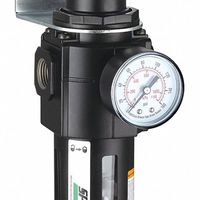
Compressed Air Filter/Regulators

Compressed Air Filters

Compressed Air Flow Rate Sensors

Compressed Air Line Lockout Valves

Compressed Air Lubricators

Compressed Air Regulators

Compressed Air Separators

Compressed Air Treatment Replacement Parts

Compressed Breathing Air Purifiers
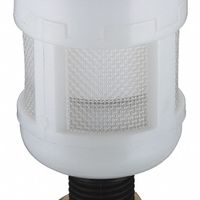
Filter, Regulator & Lubricator Accessories
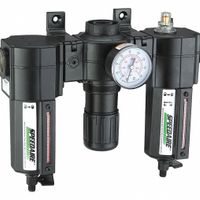
Filter, Regulator & Lubricators (FRLs)
Frequently Asked Questions
What is compressed air treatment?
Why is air preparation important in compressed air systems?
What are the main components of an air treatment system?
How does a compressed air dryer work?
What types of filters are used in air treatment systems?
How do you remove moisture from compressed air?
What is the role of an air regulator in a compressed air system?
How often should air treatment components be maintained or replaced?
What are the benefits of using an oil-water separator in compressed air systems?
How can I improve the efficiency of my compressed air system?