Call +(254) 703 030 000 / 751 483 999 / 721 704 777

.....Read More
Frequently Asked Questions
What are protective caps and plugs used for?
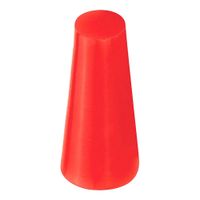
Protective caps and plugs are essential components used across various industries to safeguard products, components, and equipment from damage, contamination, and environmental elements during manufacturing, storage, and transportation. They serve several key purposes, including preventing the ingress of dust, moisture, and debris into openings, protecting threads and delicate surfaces from scratches and impacts, and sealing off ports and connections to maintain cleanliness or pressure.
For example, in the automotive industry, caps and plugs are used to protect fluid lines, electrical connectors, and engine components during assembly and shipping. In the hydraulic and pneumatic industries, they keep systems clean and prevent leaks. In the medical and pharmaceutical sectors, they maintain the sterility and integrity of equipment and packaging. They are also widely used in painting and finishing processes to mask off areas that should not be coated.
Made from various materials such as plastic, rubber, silicone, and metal, these protective devices come in a wide range of shapes and sizes to fit different applications. Their use helps to reduce waste, minimize costly repairs, and ensure the delivery of high-quality products.
How do sealing and finishing caps work?
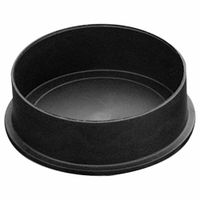
Sealing and finishing caps, often used in packaging for bottles, tubes, and containers, serve a dual purpose: to create an airtight or leak-proof seal and to provide a finished aesthetic.
The sealing mechanism depends on the cap's design and the container's opening. Common types include screw caps, snap-on caps, and crimp caps. Screw caps have threads that engage with corresponding threads on the container, compressing a liner or gasket against the container's rim to create a seal. The tightness of the screw provides the sealing force. Snap-on caps rely on an interference fit, where the cap's inner rim or lugs snap over a bead or flange on the container's neck, creating a friction seal. Crimp caps are mechanically deformed around the container's neck, often with a metal skirt, to create a permanent, tamper-evident seal, commonly seen on perfume bottles or some beverage containers.
Finishing caps contribute to the product's appearance and functionality. They can be designed with various textures, colors, and shapes to match branding or improve user experience. Some caps incorporate features like pour spouts, droppers, child-resistant mechanisms, or tamper-evident bands, adding to their finishing utility beyond just sealing. The material of the cap (plastic, metal, or a combination) also plays a role in its sealing effectiveness and overall finish.
What materials are protective caps and plugs made from?
Protective caps and plugs are typically made from a variety of materials, chosen based on the specific application and required properties. Common materials include: * **Plastics:** This is the most prevalent category, offering versatility in properties and cost-effectiveness.
* **Polyethylene (PE):** High-density polyethylene (HDPE) and low-density polyethylene (LDPE) are widely used due to their flexibility, chemical resistance, and good impact strength. They are suitable for general-purpose capping and plugging.
* **Polypropylene (PP):** Known for its higher heat resistance and rigidity compared to PE, making it suitable for applications requiring sterilization or higher temperatures.
* **PVC (Polyvinyl Chloride):** Offers good chemical resistance and is often used for caps and plugs that need to withstand harsh environments.
* **Nylon (Polyamide):** Provides excellent strength, abrasion resistance, and a good temperature range, often used for more demanding industrial applications.
* **Silicone:** Offers superior flexibility, high-temperature resistance, and good sealing properties, ideal for masking during painting or coating processes.
* **Rubber:** Materials like natural rubber, EPDM, or neoprene are used when a tighter seal, vibration dampening, or specific chemical resistance is required. They are often found in applications where a snug fit or elasticity is crucial.
* **Metal:** Less common for general protective caps and plugs, but sometimes used for heavy-duty applications or where extreme heat or pressure resistance is necessary. Materials like steel or aluminum might be employed.The choice of material depends on factors such as the environment the cap or plug will be exposed to (temperature, chemicals), the need for a tight seal, durability requirements, and cost considerations.
How do thread-protection caps and plugs prevent contamination?
Thread-protection caps and plugs prevent contamination by creating a physical barrier that blocks external elements from reaching the sensitive threads of a component. These protective devices are commonly used in various industries, including manufacturing, automotive, and aerospace, to safeguard threads from damage, corrosion, and the ingress of dirt, dust, moisture, and other contaminants during storage, transportation, or assembly.
By covering the threads, caps and plugs prevent foreign particles from settling in the grooves, which could otherwise lead to galling, cross-threading, or difficulty in assembly. They also protect against impacts and abrasions that could deform or damage the thread profile, ensuring the integrity and functionality of the component. Furthermore, in environments where cleanliness is paramount, such as in hydraulic or pneumatic systems, these protectors prevent internal contamination that could compromise system performance or lead to equipment failure. Many caps and plugs are designed with specific materials and features, such as tight fits or sealing rings, to offer enhanced protection against liquids or gases, further bolstering their ability to prevent contamination.
What is expandable sleeve netting and how is it used?
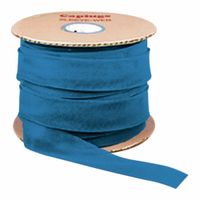
Expandable sleeve netting is a flexible, open-mesh material, often made from plastic (like polyethylene or polypropylene), that can stretch significantly to conform to the shape of various objects. It's designed to protect items during shipping, handling, and storage by providing a protective barrier that prevents scratches, scuffs, and impacts.
This netting is commonly used in several industries: * **Manufacturing and Industrial:** For protecting machined parts, tools, gas cylinders, and other delicate components. Its stretchable nature allows it to fit snugly over irregular shapes.
* **Produce and Food Packaging:** For packaging fruits, vegetables (like oranges, apples, and onions), and other food items, allowing for ventilation while keeping the product contained.
* **Retail and Consumer Goods:** For protecting fragile items like glassware, bottles, and electronics within their packaging.To use it, the netting is simply stretched over the item to be protected. Its elastic memory allows it to contract and hold the item securely, preventing movement and damage. Because it's a mesh, it also allows for air circulation, which can be beneficial for certain products.
How do you choose the right size of protective cap or plug?
Please provide the question you would like me to answer.
Can protective caps and plugs be reused?
The reusability of protective caps and plugs largely depends on their material, design, and the application they were used for. Many are designed for single use, especially if they are critical for maintaining cleanliness or preventing contamination, or if they deform significantly upon initial use. However, some robust caps and plugs, particularly those made of durable plastics or rubber, can be reused if they remain undamaged and their protective qualities are not compromised.
Factors to consider for reuse include: * **Material integrity:** Check for cracks, tears, or significant deformation that could affect their sealing ability.
* **Cleanliness:** Ensure they can be thoroughly cleaned and sterilized if necessary, especially in sensitive applications.
* **Application requirements:** In some industries (e.g., medical, food), single-use items are mandatory due to strict hygiene and safety regulations.
* **Cost-effectiveness:** Sometimes the labor and process of cleaning and inspecting reusable items outweigh the cost of new ones.Ultimately, it is crucial to refer to the manufacturer's guidelines and industry standards to determine if specific protective caps and plugs can be safely and effectively reused.
What industries commonly use protective caps, plugs, and netting?
Protective caps, plugs, and netting are essential in numerous industries to safeguard products, components, and personnel. The manufacturing sector extensively uses these for masking during painting, coating, or plating processes, as well as for protecting threads and orifices during assembly or shipping. The automotive industry relies on them to shield sensitive parts like connectors, brake lines, and fuel systems from debris, moisture, and damage during production, transit, and storage.
In the aerospace industry, precision is paramount, and protective solutions are vital for safeguarding intricate components, hydraulic lines, and electronic connections from contamination and impact. The construction sector utilizes caps and plugs for rebar, pipes, and electrical conduits to prevent injury, maintain cleanliness, and seal openings.
The medical device industry requires sterile and contaminant-free environments, making protective caps and plugs crucial for medical instruments, tubing, and pharmaceutical containers. Similarly, the oil and gas industry employs robust caps and plugs to protect pipes, valves, and fittings from corrosion and debris in harsh environments. Even the food and beverage industry uses specialized protective coverings for equipment and containers to maintain hygiene and prevent contamination.
Ultimately, these protective accessories play a critical role in quality control, damage prevention, and safety across a wide range of industrial applications.
How do sheet metal button plugs function?
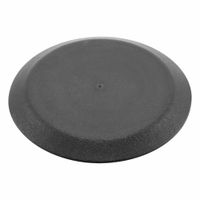
Sheet metal button plugs are designed to fill holes in sheet metal panels, providing a neat, finished appearance and protecting the hole from dust, moisture, and other contaminants. They typically consist of a head and a flexible shank with barbed or ribbed features. When inserted into a pre-drilled or punched hole, the shank compresses and then expands, creating a secure, interference fit. The design often includes a shoulder or flange on the head that sits flush with the panel surface, further enhancing the aesthetic and sealing capabilities. Installation is usually tool-free, requiring only manual pressure to snap the plug into place. Removal can also be straightforward, often by prying the plug out. They are commonly used in various industries, including automotive, electronics, and appliance manufacturing, for aesthetic purposes, cable management, or to seal unused holes.
Are there any environmental considerations for using protective caps and plugs?
Please specify the question you would like me to answer.