
Showing 0 products
Frequently Asked Questions
What is the difference between a panelboard and a load center?
A panelboard and a load center are both electrical distribution devices used to manage and distribute electrical power within a building, but they serve slightly different purposes and are used in different contexts.
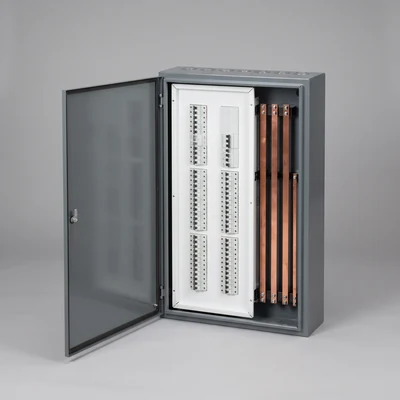
A panelboard, often referred to as a distribution board or breaker panel, is a component of an electrical system that houses circuit breakers or fuses. It is designed to distribute electrical power to various circuits throughout a building. Panelboards are typically used in commercial and industrial settings and can accommodate a larger number of circuits. They may also include features such as metering, surge protection, and other advanced functionalities.
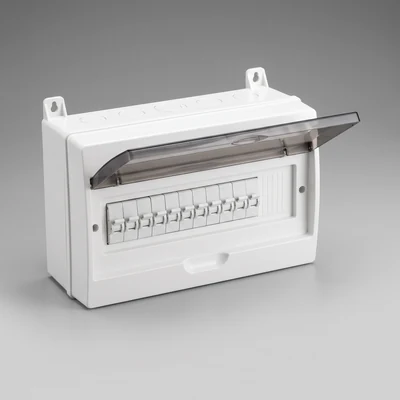
On the other hand, a load center is a specific type of panelboard that is primarily used in residential applications. It is designed to distribute power to various circuits within a home and is usually more compact than commercial panelboards. Load centers typically contain fewer circuits and are focused on providing power for lighting, outlets, and appliances in a residential setting. They are often equipped with standard circuit breakers and may include features like ground fault circuit interrupters (GFCIs) for safety.
In summary, while both panelboards and load centers serve the purpose of distributing electrical power, panelboards are more versatile and used in larger, more complex systems, whereas load centers are specifically designed for residential use with a focus on simplicity and safety.
How do I choose the right panelboard for my home?
Choosing the right panelboard for your home involves several key considerations:
Electrical Load Calculation: Determine the total electrical load your home requires. This includes all appliances, lighting, and HVAC systems. A licensed electrician can help calculate the load to ensure the panelboard can handle it.
Amperage Rating: Panelboards typically come in various amperage ratings, such as 100, 150, or 200 amps. For most modern homes, a 200-amp panel is recommended to accommodate future electrical needs.
Number of Circuits: Assess how many circuits you need. Consider current and future electrical demands, including dedicated circuits for major appliances. Ensure the panelboard has enough slots for breakers.
Type of Panelboard: Choose between main breaker panels, which have a main switch to shut off power, and main lug panels, which do not. Main breaker panels are generally safer and more versatile.
Space and Location: Ensure there is adequate space for the panelboard installation. It should be easily accessible and comply with local building codes regarding placement.
Quality and Brand: Opt for reputable brands known for reliability and safety. Research customer reviews and warranty options.
Local Codes and Regulations: Check local electrical codes and regulations, as they may dictate specific requirements for panelboards in your area.
Professional Installation: Consider hiring a licensed electrician for installation. They can ensure the panelboard is correctly installed and meets all safety standards.
By carefully evaluating these factors, you can select a panelboard that meets your current and future electrical needs while ensuring safety and compliance.
What are the safety features of modern load centers?
Modern load centers, also known as electrical panels or breaker boxes, incorporate several safety features to protect both the electrical system and the occupants of a building.
Circuit Breakers: These devices automatically interrupt the flow of electricity in case of overloads or short circuits, preventing potential fires and equipment damage.
Ground Fault Circuit Interrupters (GFCIs): GFCIs detect imbalances in electrical current and shut off power to prevent electric shock, particularly in wet areas like kitchens and bathrooms.
Arc Fault Circuit Interrupters (AFCIs): AFCIs detect dangerous electrical arcs that can lead to fires and disconnect the circuit to mitigate risks.
Surge Protection: Many modern load centers include built-in surge protection devices that safeguard against voltage spikes caused by lightning or power surges, protecting sensitive electronics.
Neutral and Ground Bars: Properly designed load centers have separate bars for neutral and ground wires, reducing the risk of electrical shock and ensuring compliance with electrical codes.
Lockable Disconnects: Some load centers feature lockable disconnect switches that allow for safe maintenance by ensuring that power cannot be restored while work is being done.
Labeling and Marking: Clear labeling of circuits helps users identify which breakers control specific areas or appliances, reducing the risk of accidental shutdowns or overloads.
Thermal Protection: Many load centers are designed to dissipate heat effectively, reducing the risk of overheating and potential fires.
Tamper-Resistant Features: Some panels include tamper-resistant covers or designs to prevent unauthorized access, enhancing safety in residential settings.
These features collectively enhance the safety and reliability of modern electrical systems, ensuring protection for both users and property.
How do I troubleshoot issues with my panelboard?
To troubleshoot issues with your panelboard, follow these steps:
Safety First: Ensure your safety by turning off the main power supply before inspecting the panelboard. Use appropriate personal protective equipment (PPE).
Visual Inspection: Check for any visible signs of damage, such as burnt or melted components, loose connections, or corrosion. Look for tripped circuit breakers or blown fuses.
Check Circuit Breakers: If a breaker is tripped, reset it. If it trips again, there may be an overload or short circuit. Identify the circuit causing the issue by turning off all connected devices and turning them on one by one.
Test Voltage: Use a multimeter to measure voltage at the panelboard. Ensure that the voltage matches the expected levels. If there’s no voltage, check the main supply and connections.
Inspect Wiring: Examine the wiring for any signs of wear, fraying, or loose connections. Ensure that all wires are securely connected to their respective terminals.
Check Grounding: Ensure that the panelboard is properly grounded. A poor ground connection can lead to electrical issues and safety hazards.
Look for Overloads: Assess the load on each circuit. If circuits are consistently overloaded, consider redistributing the load or upgrading the panelboard.
Consult Documentation: Refer to the panelboard’s manual for specific troubleshooting steps and wiring diagrams.
Seek Professional Help: If issues persist or if you’re unsure, contact a licensed electrician for a thorough inspection and repair.
By following these steps, you can effectively troubleshoot common issues with your panelboard.
Can I install a panelboard myself, or should I hire an electrician?
Installing a panelboard is a complex task that involves working with high voltage electricity, which can be dangerous if not handled properly. While some individuals with electrical knowledge and experience may consider doing it themselves, it is generally recommended to hire a licensed electrician for several reasons.
Firstly, safety is the primary concern. Electricians are trained to handle electrical systems safely and are familiar with local codes and regulations. They understand the risks involved and know how to mitigate them, reducing the likelihood of accidents or electrical fires.
Secondly, improper installation can lead to serious issues, including equipment damage, electrical shock, or even legal liabilities. If the installation is not up to code, it may not pass inspection, which could result in costly repairs or the need for reinstallation.
Additionally, hiring a professional ensures that the work is done correctly the first time. Electricians have the tools and expertise to troubleshoot potential problems and ensure that the panelboard is properly integrated into the existing electrical system.
Lastly, many insurance policies require that electrical work be performed by a licensed professional. If you attempt to install a panelboard yourself and something goes wrong, your insurance may not cover the damages.
In conclusion, while it may be tempting to save money by installing a panelboard yourself, the risks and potential complications make it advisable to hire a qualified electrician. This not only ensures safety and compliance with regulations but also provides peace of mind that the job will be done correctly.
What is the typical lifespan of a panelboard?
The typical lifespan of a panelboard, which is a crucial component in electrical distribution systems, generally ranges from 20 to 40 years. However, several factors can influence this lifespan, including the quality of the panelboard, the environment in which it is installed, and the level of maintenance it receives.
High-quality panelboards made from durable materials and designed to meet rigorous safety standards tend to last longer. Environmental factors such as humidity, temperature fluctuations, and exposure to corrosive substances can significantly impact the longevity of a panelboard. For instance, panelboards installed in industrial settings or areas with high moisture levels may experience accelerated wear and tear.
Regular maintenance plays a vital role in extending the lifespan of a panelboard. Routine inspections, cleaning, and timely repairs can help identify potential issues before they lead to significant failures. Additionally, upgrading components such as circuit breakers or fuses can enhance the overall performance and safety of the panelboard.
It is also important to consider technological advancements. As electrical systems evolve, older panelboards may become outdated, lacking the capacity or features required for modern electrical demands. In such cases, even if a panelboard is still functional, it may be prudent to replace it to ensure safety and efficiency.
In summary, while the typical lifespan of a panelboard is between 20 to 40 years, factors such as quality, environmental conditions, maintenance, and technological relevance can significantly influence its actual longevity. Regular assessments and proactive management are essential to maximize the lifespan and performance of panelboards.
How do smart panelboards enhance energy management?
Smart panelboards enhance energy management by integrating advanced technology that allows for real-time monitoring, control, and optimization of electrical systems. These panelboards are equipped with sensors and communication capabilities that provide detailed insights into energy consumption patterns, enabling users to identify inefficiencies and areas for improvement.
One key feature of smart panelboards is their ability to collect and analyze data on energy usage at a granular level. This data can be accessed remotely through user-friendly interfaces, allowing facility managers to monitor energy consumption in real-time and make informed decisions. By identifying peak usage times and high-consumption devices, organizations can implement strategies to reduce energy waste, such as demand response programs or load shedding.
Additionally, smart panelboards often include automated controls that can adjust power distribution based on real-time needs. This dynamic management helps to balance loads, prevent overloads, and enhance the overall reliability of the electrical system. Integration with building management systems further enhances energy efficiency by allowing for coordinated control of HVAC, lighting, and other systems based on occupancy and usage patterns.
Moreover, smart panelboards support predictive maintenance by providing alerts and diagnostics on equipment performance. This proactive approach minimizes downtime and extends the lifespan of electrical components, ultimately leading to cost savings.
In summary, smart panelboards enhance energy management through real-time monitoring, data analytics, automated controls, and predictive maintenance, enabling organizations to optimize energy use, reduce costs, and improve sustainability.