


Showing 0 products
Frequently Asked Questions
What is an air circuit breaker (ACB)?
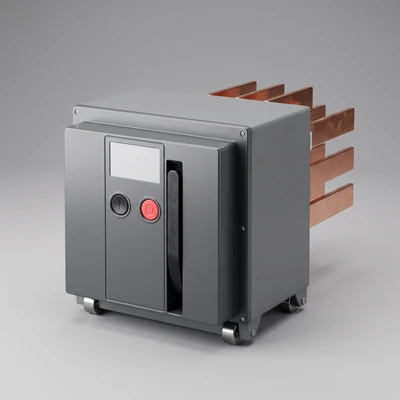
An air circuit breaker (ACB) is an electrical device designed to protect electrical circuits from overloads and short circuits. It operates by interrupting the flow of current when it exceeds a predetermined level, thereby preventing damage to electrical equipment and ensuring safety. ACBs are typically used in low-voltage applications, such as industrial and commercial settings, where they can handle high current ratings.
The ACB consists of several key components, including contacts, an operating mechanism, and an arc extinguishing chamber. When a fault occurs, the contacts within the ACB open, creating an air gap that interrupts the current flow. The arc that forms during this process is extinguished within the arc chamber, which is designed to cool and quench the arc using air as the medium.
ACBs can be manually or automatically operated, with automatic operation being triggered by an overload or short circuit condition. They often include adjustable settings for current ratings and time delays, allowing for customization based on specific application requirements. Additionally, ACBs may feature various protective functions, such as overcurrent, earth fault, and short-circuit protection.
One of the advantages of ACBs is their ability to handle high fault currents and their robustness in harsh environments. They are also relatively easy to maintain and can be reset after tripping, making them a practical choice for many electrical systems. Overall, air circuit breakers play a crucial role in ensuring the reliability and safety of electrical installations.
How does an air circuit breaker work?
An air circuit breaker (ACB) is a protective device used to interrupt the flow of electrical current in the event of an overload or short circuit. It operates by utilizing air as the medium for arc extinction when the circuit is opened.
When a fault occurs, the ACB detects the abnormal current flow through its sensing mechanism. This triggers the opening mechanism, which can be either thermal or electromagnetic. In thermal operation, a bimetallic strip heats up due to excessive current, bending and eventually tripping the breaker. In electromagnetic operation, a solenoid is activated by the fault current, pulling a lever that opens the contacts.
Once the contacts begin to separate, an electric arc forms between them. The ACB is designed to extinguish this arc using air. The arc is cooled and quenched by the surrounding air, which is drawn in through vents or forced through the breaker by a fan. The design of the contacts and the arc chamber helps to elongate and cool the arc, allowing it to extinguish before the current can continue to flow.
After the fault is cleared, the ACB can be reset manually or automatically, restoring the circuit. ACBs are commonly used in medium to high voltage applications due to their reliability, ability to handle high fault currents, and ease of maintenance. They also provide additional features such as overload protection, short-circuit protection, and sometimes even metering capabilities, making them essential components in electrical distribution systems.
What are the advantages of using ACBs?
Air Circuit Breakers (ACBs) offer several advantages in electrical systems. Firstly, they provide excellent protection against overloads and short circuits, ensuring the safety of electrical equipment and personnel. ACBs can interrupt high fault currents, which is crucial in preventing damage to circuits and maintaining system integrity.
Secondly, ACBs are designed for high current ratings, making them suitable for large industrial applications. They can handle significant electrical loads, which is essential in environments with heavy machinery and equipment.
Another advantage is their ability to provide selective coordination. This means that in the event of a fault, only the affected section of the circuit is disconnected, allowing the rest of the system to remain operational. This feature enhances system reliability and minimizes downtime.
ACBs also offer adjustable settings for trip characteristics, allowing for customization based on specific application requirements. This flexibility helps in optimizing protection settings for different load conditions.
Additionally, ACBs are equipped with advanced monitoring and control features, including digital displays and communication capabilities. This allows for real-time monitoring of electrical parameters, facilitating proactive maintenance and reducing the risk of unexpected failures.
Furthermore, ACBs are designed for easy installation and maintenance. Their modular design allows for straightforward replacement of components, reducing maintenance time and costs.
Lastly, ACBs contribute to energy efficiency by minimizing losses during operation. Their ability to handle high currents with low resistance helps in reducing energy waste, which is beneficial for both cost savings and environmental sustainability.
In summary, the advantages of using ACBs include robust protection, high current handling, selective coordination, adjustable settings, advanced monitoring features, ease of maintenance, and energy efficiency.
What are the different types of air circuit breakers?
Air circuit breakers (ACBs) are essential components in electrical systems, designed to protect circuits from overloads and short circuits. They operate by using air as the medium for arc extinction. The different types of air circuit breakers include:
Plain Breaker: This is the simplest form, where the contacts are opened and closed in air. It is primarily used for low-voltage applications.
Magnetic Air Circuit Breaker: This type uses electromagnetic forces to trip the circuit. It is effective for protecting against short circuits and is commonly used in industrial applications.
Air Chute Circuit Breaker: This design incorporates a chute to direct the arc produced during operation, enhancing the cooling and quenching process. It is suitable for medium-voltage applications.
Air Insulated Circuit Breaker: These breakers are designed to operate in environments where insulation is critical. They use air as an insulating medium and are often found in substations.
Dual Function Circuit Breaker: This type combines the functions of a circuit breaker and a contactor, allowing for both protection and control of electrical circuits.
Hydraulic Magnetic Circuit Breaker: This variant uses a hydraulic mechanism to provide a time delay for overload protection, allowing for temporary overloads without tripping.
Electronic Circuit Breaker: Incorporating electronic components, these breakers offer advanced features such as adjustable trip settings and remote monitoring capabilities.
Each type of air circuit breaker is designed for specific applications and environments, ensuring reliable protection and control of electrical systems.
How do you select the right ACB for an application?
Selecting the right Air Circuit Breaker (ACB) for an application involves several key considerations:
Current Rating: Determine the maximum load current of the application. The ACB should have a rated current that meets or exceeds this value, typically with a margin for future expansion.
Short-Circuit Protection: Assess the prospective short-circuit current at the installation point. The ACB must be rated to interrupt this current safely. This involves selecting an ACB with an appropriate breaking capacity.
Type of Load: Consider the nature of the load (resistive, inductive, or capacitive). Different loads may require specific ACB features, such as time-delay settings for motor applications.
Operating Environment: Evaluate the environmental conditions where the ACB will be installed. Factors like temperature, humidity, dust, and potential exposure to corrosive elements can influence the choice of ACB.
Tripping Characteristics: Choose the appropriate tripping mechanism (thermal, magnetic, or electronic) based on the application’s requirements. Electronic trip units offer advanced features like adjustable settings and communication capabilities.
Standards and Certifications: Ensure the ACB complies with relevant industry standards and certifications, which may vary by region and application.
Size and Mounting: Consider the physical dimensions and mounting options of the ACB to ensure it fits within the designated space and integrates well with existing equipment.
Cost and Reliability: Balance the initial cost with long-term reliability and maintenance needs. Investing in a high-quality ACB can reduce downtime and maintenance costs.
By carefully evaluating these factors, you can select an ACB that meets the specific needs of your application while ensuring safety and reliability.
What accessories can be used with air circuit breakers?
Air circuit breakers (ACBs) can be equipped with various accessories to enhance their functionality, safety, and operational efficiency. Key accessories include:
Shunt Trip: This device allows the circuit breaker to be tripped remotely by an external signal, such as from a fire alarm or emergency system, enhancing safety in critical situations.
Under Voltage Release (UVR): This accessory automatically trips the circuit breaker when the voltage drops below a preset level, protecting equipment from damage due to low voltage conditions.
Auxiliary Contacts: These contacts provide additional signaling capabilities, allowing for remote monitoring and control of the circuit breaker status (open or closed).
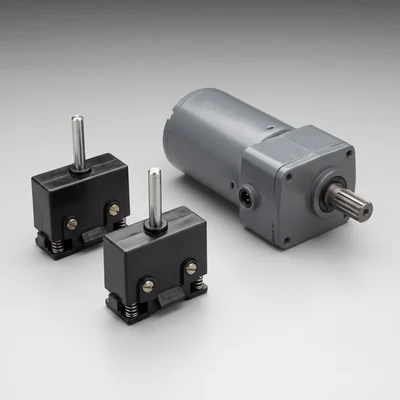
Motor Operator: This accessory enables remote operation of the circuit breaker, allowing it to be opened or closed from a distance, which is particularly useful in large installations.
Current Transformers (CTs): Used for measuring and monitoring current flow, CTs can provide valuable data for system management and protection.
Protection Relays: These devices monitor electrical parameters and can initiate tripping of the circuit breaker in case of faults, ensuring system protection.
Earth Fault Protection: This accessory detects ground faults and can trip the circuit breaker to prevent electrical hazards.
Communication Modules: These allow integration with building management systems or SCADA systems for enhanced monitoring and control.
Thermal Magnetic Release: This built-in feature provides protection against overloads and short circuits, ensuring the circuit breaker operates effectively under fault conditions.
By utilizing these accessories, air circuit breakers can be tailored to meet specific operational requirements and enhance overall system reliability and safety.
What maintenance is required for air circuit breakers?
Air circuit breakers (ACBs) require regular maintenance to ensure reliable operation and longevity. Key maintenance tasks include:
Visual Inspection: Regularly check for physical damage, signs of overheating, or corrosion on terminals and connections. Ensure that the breaker is clean and free from dust and debris.
Mechanical Operation Check: Test the mechanical operation of the breaker by manually operating the mechanism. Ensure that the opening and closing functions are smooth and that the trip mechanism operates correctly.
Electrical Testing: Perform insulation resistance tests and contact resistance measurements to assess the integrity of the electrical components. This helps identify any deterioration in insulation or poor connections.
Calibration: Verify and calibrate the trip settings according to the manufacturer's specifications. This includes checking the thermal and magnetic trip settings to ensure they function correctly under fault conditions.
Cleaning: Clean the internal components, including contacts and mechanisms, to remove any dust or contaminants that could affect performance. Use appropriate cleaning agents and methods as recommended by the manufacturer.
Lubrication: Apply lubricant to moving parts as specified by the manufacturer to reduce wear and ensure smooth operation.
Thermal Imaging: Use thermal imaging cameras to detect hot spots during operation, which can indicate potential issues with connections or components.
Documentation: Maintain detailed records of all maintenance activities, inspections, and tests performed. This helps track the condition of the breaker and plan for future maintenance.
Regular maintenance intervals should be established based on the manufacturer's recommendations and the operating environment to ensure optimal performance and safety.