
Showing 0 products
Frequently Asked Questions
What is an RCCB and how does it differ from a circuit breaker?
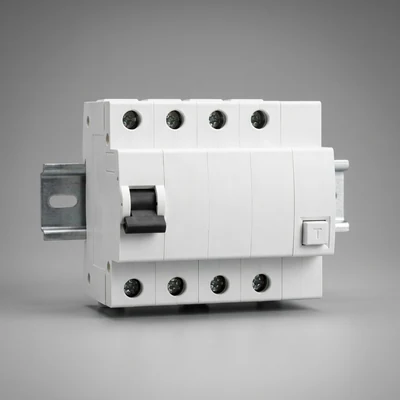
An RCCB (Residual Current Circuit Breaker) is a safety device that protects people from electric shock and helps prevent fire caused by earth leakage current. It constantly compares the current flowing in the live wire and the neutral wire. In a healthy circuit, these currents are equal. If some current leaks to earth through a faulty appliance, damaged insulation, or a person, the RCCB detects the imbalance and trips, disconnecting the supply very quickly.
A circuit breaker, usually an MCB (Miniature Circuit Breaker) or MCCB, protects wiring and equipment from overcurrent caused by overloads and short circuits. It works by sensing excessive current in the circuit and switching off when the current rises beyond a safe limit.
The main difference is what they protect against. An RCCB protects against earth leakage and electric shock, but it does not protect against overload or short circuit. A circuit breaker protects against overload and short circuit, but it may not detect small leakage currents that can still be dangerous to humans.
In simple terms: RCCB = human safety and leakage protection Circuit breaker = wiring and equipment protection
For complete protection, both are often used together in an electrical installation.
How does an RCCB detect earth leakage or residual current?
An RCCB (Residual Current Circuit Breaker) detects earth leakage by comparing the current flowing in the live and neutral conductors.
In normal operation, the current going out through the live wire is exactly equal to the current returning through the neutral wire. These two conductors pass through a toroidal current transformer inside the RCCB. Because the currents are equal and opposite, their magnetic effects cancel each other, so no signal is induced in the sensing coil.
If an insulation fault, damaged appliance, or accidental contact causes some current to leak to earth, not all of the outgoing current returns through the neutral wire. This creates an imbalance, called residual current. The two magnetic effects no longer cancel, so the current transformer produces a small output voltage in its secondary winding.
That voltage energizes a trip mechanism, usually an electromagnetic release, which opens the contacts and disconnects the supply. The RCCB trips when the leakage current exceeds its rated sensitivity, such as 30 mA for personal protection or 100/300 mA for fire protection.
So, an RCCB does not measure earth current directly. It detects the difference between line and neutral currents. Any difference means current is leaking somewhere else, usually to earth, and the device trips rapidly to reduce shock risk and prevent damage.
What size or rating of RCCB do I need for my home or panelboard?
Choose an RCCB by three things: current rating, sensitivity, and number of poles.
Current rating: pick an RCCB whose current rating is at least equal to the maximum load it will carry, and usually not less than the main incomer or upstream MCB. Common home sizes are 40A, 63A, and sometimes 80A or 100A for larger panels. If your main breaker is 63A, a 63A RCCB is typical. If the incoming supply or total load is higher, use 80A or 100A.
Sensitivity (earth-leakage trip): for personal protection in homes, 30 mA is the standard choice. It is the most common and gives better shock protection. A 100 mA or 300 mA RCCB is usually used for fire/leakage protection at higher levels, not as the only protection for sockets and people.
Poles: 1-phase home supply: use a 2-pole RCCB. 3-phase supply: use a 4-pole RCCB.
Type: Type AC is for simple AC loads only, but many modern homes have electronics, inverters, LED drivers, ACs, and washing machines. Type A is generally better and more suitable for most homes. If you have special equipment, ask for the correct type.
Important: the RCCB must match the wiring system and be installed with proper earthing. Also, an RCCB does not protect against overload or short circuit, so it must be used with MCBs/MCCB or a main protective device.
Best practical answer for a typical home: 2-pole, 63A, 30 mA, Type A RCCB. For a bigger home or panelboard, the rating may be 80A or 100A. Always confirm with a licensed electrician and local code.
What causes an RCCB to trip, and how do I troubleshoot nuisance tripping?
An RCCB trips when it detects an imbalance between the live and neutral currents. In a healthy circuit, the current going out on live should equal the current returning on neutral. If some current leaks to earth, through damaged insulation, moisture, faulty appliances, or a person touching a live part, the RCCB sees the mismatch and disconnects the supply.
Common causes of tripping are:
- Earth leakage from an appliance with damaged wiring, heating elements, motors, or filters.
- Moisture in sockets, junction boxes, outdoor fittings, or cable joints.
- Neutral-to-earth connection downstream of the RCCB, which creates unwanted leakage paths.
- Accumulated leakage from multiple devices, especially those with filters like computers, chargers, UPS units, and inverters.
- Wiring faults such as damaged cables, loose connections, or shared neutrals between circuits.
- A defective RCCB itself.
To troubleshoot nuisance tripping: First, unplug all appliances and reset the RCCB. If it holds, reconnect devices one by one until the culprit is found. If it trips with everything unplugged, the fault is likely in the wiring or the RCCB. Next, inspect for dampness, burnt sockets, damaged cords, and outdoor circuits. Check whether any neutral wires are mixed between circuits or incorrectly connected to earth. If the tripping happens only when certain equipment runs, test that appliance separately. If the issue persists, an electrician should use insulation resistance and leakage-current tests to locate the fault safely. Never bypass or replace an RCCB with a higher rating without solving the cause.
What is the difference between RCCB, RCD, and RCBO?
RCD is the broad term: Residual Current Device. It is any device that trips when it detects earth leakage (an imbalance between live and neutral current), helping prevent electric shock and fire.
RCCB is a type of RCD: Residual Current Circuit Breaker. It detects leakage current and disconnects the circuit, but it does not provide overload protection or short-circuit protection. So it must be used with an MCB or fuse for overcurrent protection.
RCBO means Residual Current Breaker with Overcurrent protection. It combines the functions of an RCCB and an MCB in one device. So it protects against earth leakage, overload, and short circuit.
In simple terms: RCD = general category RCCB = leakage protection only RCBO = leakage + overload + short-circuit protection
Typical use: RCCB is used when you want leakage protection for a group of circuits, with separate MCBs for each circuit. RCBO is used when you want individual circuit protection in one unit, which is more convenient and gives better selectivity.
One more point: in some countries and catalogs, people use RCD as a generic name for both RCCB and RCBO. The main technical difference is whether the device also protects against overcurrent.
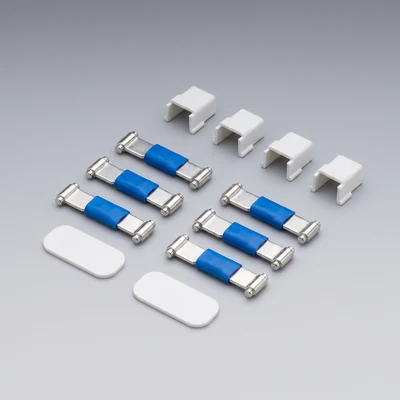
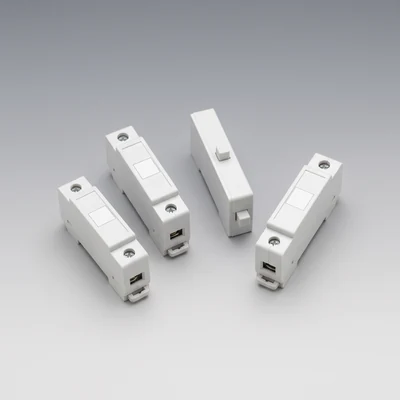
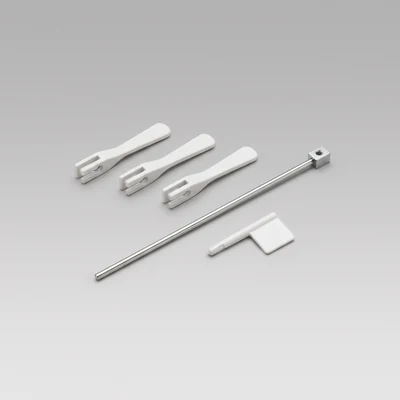
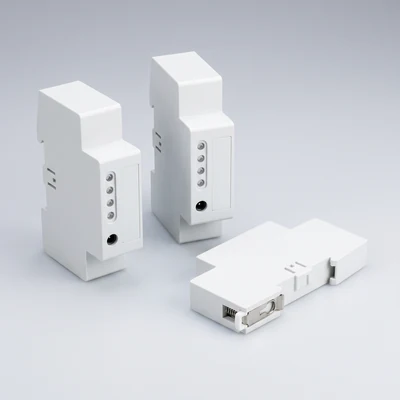
What RCCB accessories are available, such as auxiliary contacts, shunt trips, and undervoltage releases?
Common RCCB accessories include:
Auxiliary contacts: These provide remote status indication of the RCCB. They can show whether the device is ON or OFF, and in some models, whether it has tripped. They are used in control panels, alarm circuits, and building management systems for monitoring and automation.
Shunt trip release: This is a remote tripping accessory. When a control voltage is applied to the shunt trip coil, the RCCB trips instantly. It is often used for emergency shutdowns, fire alarm integration, or remote disconnection from another control system.
Undervoltage release: This accessory automatically trips the RCCB if the supply voltage drops below a safe operating level. It helps prevent unsafe conditions during low-voltage faults and ensures the circuit cannot remain energized when voltage is too low. Some versions also prevent the RCCB from being switched on unless the voltage is adequate.
Alarm contacts / trip indication contacts: These contacts signal that the RCCB has operated due to a fault. They are useful for fault detection and maintenance alerts.
Motorized operating mechanisms: In some installations, these allow remote ON/OFF operation of the RCCB, mainly for industrial or automated systems.
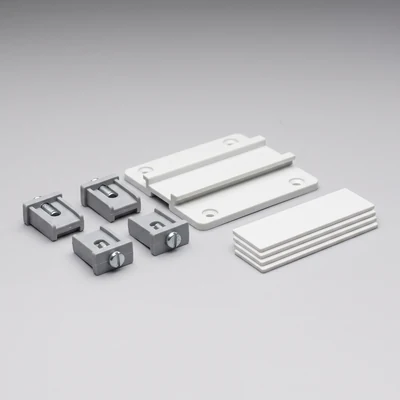
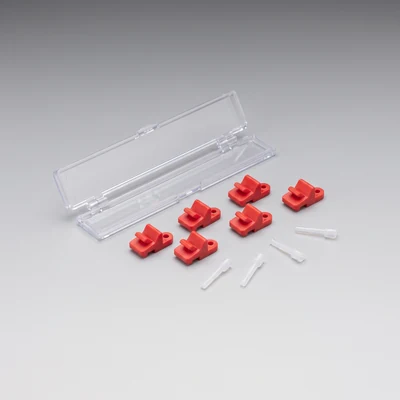
Locking devices and covers: These accessories help prevent unauthorized operation or accidental resetting, improving safety.
Terminal shrouds and busbar accessories: These improve insulation, wiring convenience, and secure integration in distribution boards.
The exact accessory range depends on the RCCB brand and model, so compatibility should always be checked before selection.
How are RCCBs installed, tested, and maintained safely in load centers and panelboards?
RCCBs should be installed only by qualified personnel with the supply isolated, locked out, and verified dead. Choose an RCCB with the correct rated current, sensitivity (typically 30 mA for personal protection), voltage, breaking capacity, and type (AC, A, F, or B) for the circuit. Mount it in the load center or panelboard on the specified DIN rail or mounting arrangement, keep it upright if required, and connect the incoming supply and outgoing load exactly as marked. All phase and neutral conductors protected by the RCCB must pass through it; do not mix neutrals from different circuits. Tighten terminals to the manufacturer’s torque, maintain proper conductor size, and ensure clear labeling.
Testing should be done after installation and periodically afterward. First, press the built-in TEST button to confirm tripping. Then verify trip time and trip current with a calibrated RCCB tester. Check correct polarity, insulation resistance, earth continuity, and that the RCCB disconnects all live conductors as intended. Record results and compare them with the device’s specifications.
Maintenance should be routine and safe: isolate before any work, keep the enclosure clean and dry, inspect for overheating, discolouration, loose terminals, corrosion, or mechanical damage, and retorque connections if permitted by the manufacturer. Replace damaged devices immediately. Test at regular intervals, especially in damp, outdoor, or high-use installations, and after any fault, modification, or major electrical work. Never bypass or defeat an RCCB.