
Showing 0 products
Frequently Asked Questions
What are tracked busway systems?
Tracked busway systems in data centers refer to a type of power distribution system that uses a series of conductive tracks or busbars to deliver electrical power efficiently to various equipment and devices. These systems are designed to provide flexibility in power distribution, allowing for easy reconfiguration and scalability as the data center's needs change. They typically feature a modular design, enabling quick installation and maintenance, and can support high power loads while minimizing energy losses.
How do tracked busway systems work?
Tracked busway systems in data centers for power distribution work by using a series of conductive tracks that allow electrical power to be distributed efficiently and safely throughout the facility. These systems consist of a rigid metal enclosure that houses busbars, which are conductive strips or bars that carry electricity. Power is fed into the busway at designated points, and power taps or connectors can be installed at various locations along the busway to draw power as needed. This design minimizes the risk of electrical faults, allows for easy scalability, and facilitates quick reconfiguration of power distribution as the data center's needs change.
What materials are used in tracked busway systems?
Tracked busway systems, commonly used for power distribution in industrial and commercial settings, utilize several key materials to ensure efficiency, safety, and durability.
Conductors: The primary material used in tracked busway systems is copper or aluminum for the conductors. Copper is favored for its excellent electrical conductivity, while aluminum is lighter and more cost-effective. The choice between the two often depends on the specific application and budget considerations.
Insulation: Insulating materials are crucial for preventing electrical leakage and ensuring safety. Common insulation materials include thermoplastic and thermoset polymers, which provide high dielectric strength and thermal stability. These materials help maintain the integrity of the busway under varying environmental conditions.
Enclosures: The outer casing of busway systems is typically made from steel or aluminum. Steel offers strength and durability, while aluminum provides a lightweight alternative with good corrosion resistance. The enclosure protects the internal components from physical damage and environmental factors.
Support Structures: Busway systems require robust support structures, often made from steel or reinforced plastic. These supports ensure stability and proper alignment of the busway, which is essential for safe operation.
Connectors and Accessories: Various connectors, joints, and accessories are made from conductive metals, often plated with materials like tin or nickel to enhance conductivity and resist corrosion.
Cooling Materials: In high-capacity systems, cooling mechanisms may be integrated, utilizing materials that facilitate heat dissipation, such as aluminum fins or heat sinks.
Overall, the combination of these materials in tracked busway systems ensures efficient power distribution while maintaining safety and reliability in various operational environments.
What accessories are essential for tracked busway systems?
Essential accessories for tracked busway systems in relation to power distribution include:
Busway Sections: These are the primary components that carry electrical power. They come in various configurations and sizes to accommodate different power requirements.
Connectors: These are crucial for linking busway sections together. They ensure a secure and efficient electrical connection, minimizing resistance and potential power loss.
Elbows and Tees: These accessories allow for directional changes in the busway layout. Elbows facilitate turns, while tees enable branching off to different circuits or loads.
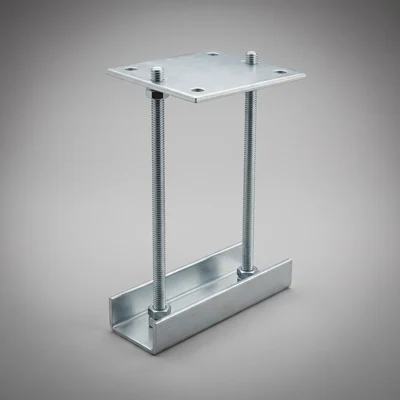
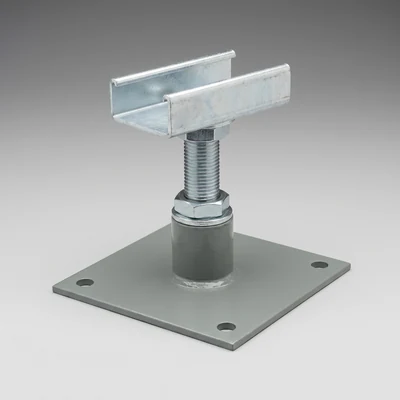
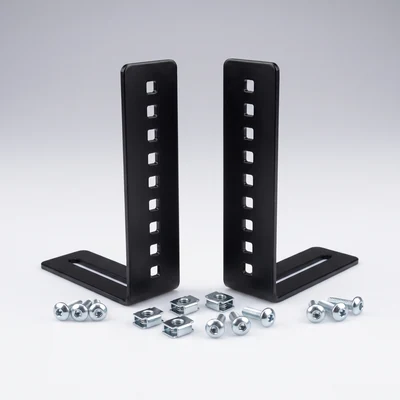
Support Brackets: Proper support is essential for maintaining the integrity of the busway system. Brackets help secure the busway to walls or ceilings, ensuring stability and safety.
End Caps: These are used to close off the ends of busway sections, preventing dust and debris from entering and ensuring safety by avoiding accidental contact with live conductors.
Insulation and Covers: Insulating materials and protective covers are vital for safety, preventing accidental contact with live parts and reducing the risk of electrical hazards.
Current Transformers (CTs): For monitoring and measuring electrical current, CTs are essential. They provide data for system management and help in detecting overloads.
Disconnect Switches: These allow for safe isolation of sections of the busway for maintenance or emergency situations, ensuring that power can be cut off without affecting the entire system.
Fuses and Circuit Breakers: These protective devices are critical for safeguarding the system against overloads and short circuits, ensuring reliable operation.
Monitoring Systems: Advanced busway systems may include monitoring accessories that provide real-time data on power usage, helping in efficient energy management.
These accessories collectively ensure the safe, efficient, and reliable distribution of electrical power within tracked busway systems.
How do you install a tracked busway system?
To install a tracked busway system for power distribution, follow these steps:
Planning and Design: Begin with a detailed design that includes the layout of the busway, load requirements, and connection points. Ensure compliance with local electrical codes and standards.
Site Preparation: Clear the installation area of any obstructions. Ensure that the surface is level and capable of supporting the busway system.
Mounting Supports: Install mounting brackets or supports at specified intervals according to the manufacturer’s guidelines. These supports should be securely anchored to the building structure to provide stability.
Busway Assembly: Assemble the busway sections according to the design. This typically involves connecting straight sections, elbows, and tees. Ensure that all connections are tight and secure to prevent electrical arcing.
Electrical Connections: Connect the busway to the power source. This may involve connecting to transformers or switchgear. Ensure that all connections are made with the power off to avoid electrical hazards.
Grounding: Properly ground the busway system according to electrical codes. This is crucial for safety and to prevent electrical interference.
Testing: Once installed, conduct thorough testing of the system. Check for continuity, insulation resistance, and proper grounding. Ensure that all connections are secure and that there are no signs of overheating.
Final Inspection: Have the installation inspected by a qualified electrician or inspector to ensure compliance with safety standards and regulations.
Commissioning: After passing inspection, energize the system and monitor its performance under load conditions to ensure it operates as intended.
Following these steps will ensure a safe and efficient installation of a tracked busway system for power distribution.
What are the benefits of using tracked busway systems in data centers?
Tracked busway systems offer several benefits for power distribution in data centers, enhancing efficiency, flexibility, and safety.
Firstly, tracked busway systems provide a highly efficient means of distributing power. They minimize energy losses compared to traditional cabling methods, as they have lower resistance and can handle higher currents without significant heat generation. This efficiency is crucial in data centers, where power consumption is substantial, and reducing energy waste can lead to significant cost savings.
Secondly, the modular design of tracked busway systems allows for easy scalability and flexibility. As data centers grow or change, these systems can be easily reconfigured or expanded without the need for extensive rewiring. This adaptability is essential in the fast-paced tech environment, where demand for power can fluctuate rapidly.
Additionally, tracked busway systems enhance safety. They are typically enclosed, reducing the risk of accidental contact with live electrical components. This containment also minimizes the potential for electrical fires, a critical consideration in environments filled with sensitive equipment.
Moreover, maintenance is simplified with tracked busway systems. Their design allows for quick access to power distribution points, facilitating easier inspections and repairs. This accessibility can lead to reduced downtime, which is vital for maintaining the operational integrity of data centers.
Finally, tracked busway systems can support advanced monitoring and management technologies. Many modern systems come equipped with sensors that provide real-time data on power usage and system health, enabling proactive management and optimization of power distribution.
In summary, tracked busway systems enhance power distribution in data centers through efficiency, flexibility, safety, ease of maintenance, and advanced monitoring capabilities, making them an ideal choice for modern data center operations.
How can monitoring accessories improve tracked busway system performance?
Monitoring accessories can significantly enhance the performance of tracked busway systems in power distribution by providing real-time data, improving reliability, and facilitating proactive maintenance. These accessories include sensors, data loggers, and communication devices that continuously track various parameters such as temperature, current, voltage, and load conditions.
Firstly, real-time monitoring allows for immediate detection of anomalies or inefficiencies within the busway system. For instance, temperature sensors can identify overheating components, which may indicate overloading or potential failure. By addressing these issues promptly, operators can prevent costly downtime and extend the lifespan of the equipment.
Secondly, data analytics derived from monitoring accessories can optimize load distribution across the busway. By analyzing usage patterns, operators can make informed decisions about load balancing, ensuring that no single section of the busway is overburdened. This not only enhances the overall efficiency of power distribution but also minimizes energy losses.
Additionally, monitoring accessories facilitate predictive maintenance. By continuously collecting data, operators can identify trends and predict when maintenance is required, rather than relying on scheduled maintenance that may not align with actual wear and tear. This approach reduces maintenance costs and improves system reliability, as potential issues can be addressed before they lead to failures.
Finally, integrating monitoring accessories with advanced communication systems allows for remote monitoring and control. This capability enables operators to manage the busway system more effectively, responding to issues in real-time and optimizing performance from a distance.
In summary, monitoring accessories play a crucial role in improving the performance of tracked busway systems in power distribution by enhancing reliability, optimizing load management, enabling predictive maintenance, and facilitating remote operations.