
Showing 0 products
Frequently Asked Questions
What is a Motor Protection Circuit Breaker (MPCB)?
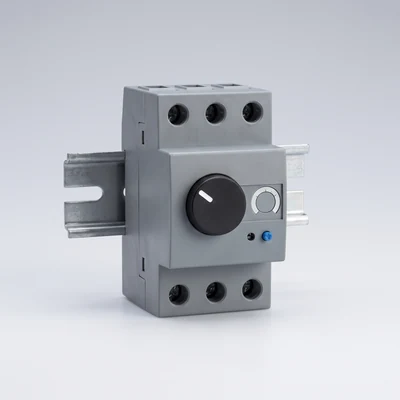
A Motor Protection Circuit Breaker (MPCB) is a specialized electrical device designed to protect electric motors from various faults and operational issues. It combines the functions of a circuit breaker and a motor starter, providing both overload protection and short-circuit protection for motors.
MPCBs are essential in industrial and commercial applications where electric motors are used to drive machinery and equipment. They monitor the current flowing to the motor and can detect conditions such as overloads, phase failures, and short circuits. When an overload condition occurs, the MPCB interrupts the circuit, preventing damage to the motor by stopping the flow of electricity. This is crucial because prolonged overload can lead to overheating and eventual motor failure.
In addition to overload protection, MPCBs often include features such as adjustable settings for current ratings, allowing for customization based on the specific motor's requirements. They may also provide phase failure protection, which safeguards against situations where one or more phases of a three-phase motor are lost, potentially causing the motor to run inefficiently or become damaged.
MPCBs are typically equipped with manual reset mechanisms, allowing operators to easily reset the device after a fault condition has been cleared. Some advanced models may include additional functionalities such as thermal protection, electronic trip units, and communication capabilities for integration into automated systems.
Overall, the use of an MPCB enhances the reliability and longevity of electric motors, ensuring safe operation and minimizing downtime in industrial processes.
How does an MPCB work?
A Motor Protection Circuit Breaker (MPCB) is designed to protect electric motors from overload, short circuits, and phase failures. It operates by continuously monitoring the current flowing to the motor.
When the motor starts, it draws a higher inrush current, which the MPCB allows for a brief period. As the motor reaches its normal operating conditions, the MPCB measures the current against preset thresholds. If the current exceeds the rated value for a specified duration, indicating an overload condition, the MPCB trips, disconnecting the motor from the power supply to prevent damage.
In the case of a short circuit, the MPCB reacts almost instantaneously. It detects the sudden surge in current and trips immediately, protecting the motor and the electrical circuit from potential damage.
Additionally, the MPCB monitors the phase supply. If one phase fails or experiences a significant imbalance, the MPCB will trip to prevent the motor from running under unsafe conditions, which could lead to overheating or mechanical failure.
MPCBs often feature adjustable settings for overload protection, allowing users to customize the trip current based on the motor's specifications. They may also include manual reset options and indicators to show the status of the circuit.
In summary, an MPCB functions as a protective device for motors by monitoring current flow, detecting overloads and short circuits, and ensuring safe operation by disconnecting the motor when necessary. This helps to enhance the reliability and longevity of electric motors in various applications.
What are the benefits of using MPCBs?
Molded Case Circuit Breakers (MPCBs) offer several benefits that enhance electrical safety and efficiency in various applications.
Firstly, MPCBs provide reliable protection against overloads and short circuits, which helps prevent electrical fires and equipment damage. They automatically disconnect the circuit when excessive current flows, ensuring safety for both personnel and equipment.
Secondly, MPCBs are designed for easy installation and maintenance. Their compact size allows for space-saving in electrical panels, and they can be easily reset after tripping, minimizing downtime. This user-friendly design is particularly advantageous in industrial settings where quick recovery from faults is essential.
Thirdly, MPCBs often come with adjustable trip settings, allowing users to customize the protection level based on specific load requirements. This flexibility ensures optimal performance and reduces the risk of nuisance tripping, which can disrupt operations.
Additionally, many MPCBs feature built-in auxiliary contacts and signaling options, enabling remote monitoring and integration into automated systems. This capability enhances operational efficiency and allows for proactive maintenance, as potential issues can be identified before they lead to failures.
Moreover, MPCBs are robust and durable, designed to withstand harsh environmental conditions, making them suitable for a wide range of applications, from residential to industrial environments.
Lastly, the use of MPCBs can lead to cost savings in the long run. By preventing equipment damage and reducing downtime, they contribute to lower maintenance costs and improved productivity.
In summary, the benefits of using MPCBs include enhanced safety, ease of installation and maintenance, customizable protection settings, remote monitoring capabilities, durability, and potential cost savings, making them a valuable component in modern electrical systems.
What types of faults do MPCBs protect against?
Molded Case Circuit Breakers (MPCBs) are designed to protect electrical circuits from various types of faults. The primary types of faults that MPCBs protect against include:
Overload Faults: These occur when the current flowing through the circuit exceeds the rated capacity of the circuit components. MPCBs detect this condition and interrupt the circuit to prevent overheating and potential damage to equipment.
Short-Circuit Faults: This type of fault happens when there is a direct connection between the live and neutral conductors, leading to a sudden surge in current. MPCBs are equipped with mechanisms to quickly trip and disconnect the circuit, minimizing the risk of fire and equipment damage.
Earth Faults: Also known as ground faults, these occur when there is an unintended path between the electrical system and the ground. MPCBs can detect imbalances in current flow and trip the circuit to prevent electric shock hazards and equipment failure.
Phase Failure: In three-phase systems, a phase failure occurs when one of the phases is lost. MPCBs can monitor the phase conditions and disconnect the circuit to protect motors and other equipment from damage due to unbalanced loads.
Phase Imbalance: Similar to phase failure, phase imbalance occurs when the current in one or more phases is significantly different from the others. MPCBs can help prevent overheating and inefficiencies caused by such imbalances.
By providing protection against these faults, MPCBs enhance the safety and reliability of electrical systems, ensuring that equipment operates within safe parameters and reducing the risk of electrical hazards.
How do you select the right MPCB for a motor?
To select the right Motor Protection Circuit Breaker (MPCB) for a motor, follow these key steps:
Determine Motor Specifications: Identify the motor's voltage, current rating, and power rating (kW or HP). This information is crucial for selecting an MPCB that can handle the motor's electrical characteristics.
Calculate Full Load Current (FLC): Use the motor's power rating and voltage to calculate the full load current using the formula: FLC = (Power in kW × 1000) / (√3 × Voltage) for three-phase motors, or FLC = Power in kW / Voltage for single-phase motors.
Select the MPCB Rating: Choose an MPCB with a current rating that matches or slightly exceeds the calculated FLC. Ensure it is within the manufacturer's recommended range for the specific motor type.
Consider Motor Starting Conditions: Account for the motor's starting current, which can be several times higher than the FLC. Select an MPCB with an appropriate short-circuit protection setting to handle this inrush current without tripping unnecessarily.
Thermal Protection Settings: Ensure the MPCB has adjustable thermal settings to protect against overload conditions. This is particularly important for applications with varying load conditions.
Check for Additional Features: Look for features such as phase failure protection, earth fault protection, and auxiliary contacts for signaling. These can enhance the safety and reliability of the motor operation.
Compliance and Standards: Ensure the selected MPCB complies with relevant local and international standards for safety and performance.
By following these steps, you can effectively select an MPCB that provides adequate protection and reliability for your motor application.
What accessories can be used with MPCBs?
Accessories that can be used with Multi-Purpose Circuit Boards (MPCBs) enhance their functionality and usability in various applications. Key accessories include:
Connectors: These are essential for establishing electrical connections between the MPCB and other components or systems. Common types include terminal blocks, headers, and sockets.
Heat Sinks: Used to dissipate heat generated by components on the MPCB, heat sinks help maintain optimal operating temperatures, ensuring reliability and longevity.
Enclosures: Protective casings safeguard MPCBs from environmental factors such as dust, moisture, and physical damage. Enclosures can also provide EMI shielding.
Mounting Hardware: Standoffs, screws, and brackets are necessary for securely mounting the MPCB within a device or system, ensuring stability and proper alignment.
Power Supplies: External or integrated power supplies provide the necessary voltage and current for the MPCB to function effectively.
Sensors: Various sensors (temperature, humidity, motion, etc.) can be integrated with MPCBs to enable data collection and interaction with the environment.
Displays: LCDs or LEDs can be added to provide visual feedback or user interfaces, enhancing the interactivity of the MPCB.
Microcontrollers/Processors: These can be used to control the operations of the MPCB, allowing for programmable functionality and complex processing tasks.
Prototyping Boards: For development purposes, prototyping boards can be used alongside MPCBs to test and iterate designs before finalizing the circuit.
Cables and Wiring: Various cables and wiring harnesses facilitate connections between the MPCB and other components, ensuring proper signal transmission.
These accessories collectively enhance the versatility and performance of MPCBs in diverse applications, from consumer electronics to industrial systems.
How do you troubleshoot an MPCB?
To troubleshoot a Motor Protection Circuit Breaker (MPCB), follow these steps:
Visual Inspection: Begin with a thorough visual check of the MPCB and surrounding components. Look for signs of damage, such as burnt terminals, melted insulation, or physical deformities.
Check Power Supply: Ensure that the power supply to the MPCB is stable and within the specified voltage range. Use a multimeter to measure the voltage at the input terminals.
Test the Control Circuit: Verify that the control circuit is functioning correctly. Check for any loose connections, damaged wires, or faulty components that could affect the operation of the MPCB.
Reset the MPCB: If the MPCB has tripped, attempt to reset it. If it trips again immediately, this indicates a persistent fault.
Measure Load Current: Use a clamp meter to measure the load current. Compare this with the rated current of the MPCB. Overloading can cause the breaker to trip.
Check for Short Circuits: Inspect the motor and associated wiring for short circuits. Disconnect the motor and test the insulation resistance using a megohmmeter.
Thermal and Magnetic Settings: Ensure that the thermal and magnetic settings of the MPCB are correctly adjusted for the application. Incorrect settings can lead to nuisance tripping.
Inspect for Ground Faults: If applicable, check for ground faults in the system. This can be done by testing insulation resistance and ensuring proper grounding.
Replace Faulty Components: If any components within the MPCB are found to be defective, replace them as necessary.
Consult Manufacturer’s Manual: Refer to the MPCB’s manual for specific troubleshooting guidelines and specifications.
By systematically following these steps, you can identify and resolve issues with an MPCB effectively.