
Showing 0 products
Frequently Asked Questions
What are elbows and tees in tracked busway systems?
In tracked busway systems, elbows and tees are critical components used to facilitate the distribution of electrical power.
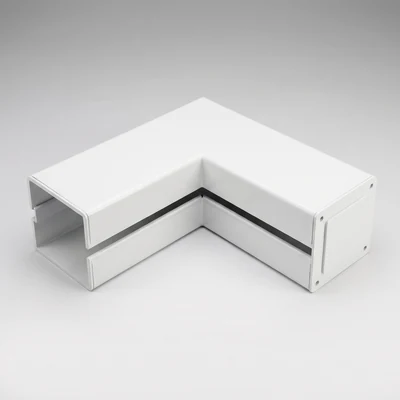
Elbows are fittings that allow the busway to change direction, typically at a 90-degree angle. They are essential for navigating around obstacles or for routing power distribution in a more efficient manner within a facility. The design of elbows ensures minimal disruption to the electrical flow, maintaining the integrity of the power distribution system. They are engineered to handle the electrical and thermal loads while providing a secure connection that minimizes the risk of arcing or overheating.
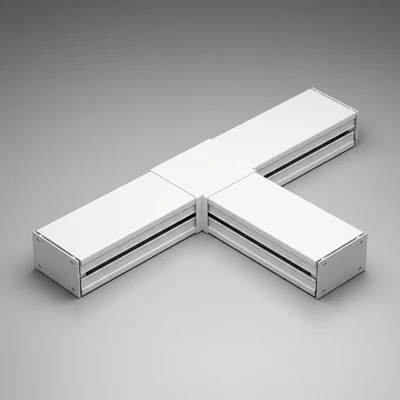
Tees, on the other hand, are junctions that enable the busway to split into two separate paths. This is particularly useful in large facilities where power needs to be distributed to multiple areas from a single source. Tees allow for the branching of power without significant losses, ensuring that each branch receives adequate power supply. They are designed to maintain the same electrical characteristics as the main busway, ensuring consistent performance across all connected loads.
Both elbows and tees are constructed from materials that can withstand high electrical currents and environmental factors, ensuring durability and reliability. Their integration into tracked busway systems enhances flexibility in power distribution, allowing for easy modifications and expansions as facility needs change. Overall, elbows and tees play a vital role in optimizing the layout and efficiency of electrical power distribution networks in industrial and commercial settings.
How do elbows facilitate directional changes in busway layouts?
Elbows in busway layouts are critical components that facilitate directional changes in power distribution systems. They allow for the rerouting of electrical conductors while maintaining the integrity and efficiency of the power flow.
When designing a busway system, the layout often requires changes in direction to navigate around obstacles or to connect with different sections of a facility. Elbows provide a means to achieve these changes without compromising the electrical performance. They are designed to minimize the impact on the electrical characteristics of the busway, such as impedance and inductance, which can affect the overall efficiency of power distribution.
The use of elbows helps in maintaining a compact design, allowing for more efficient use of space within electrical rooms or distribution areas. This is particularly important in industrial and commercial settings where space is often limited. By enabling directional changes, elbows can help in optimizing the routing of busways, reducing the length of runs and potential losses associated with longer conductor paths.
Moreover, elbows are engineered to handle the thermal and mechanical stresses that arise from the flow of electrical current. They ensure that the busway remains robust and reliable, even when subjected to varying loads and environmental conditions. This reliability is crucial for maintaining continuous power supply and minimizing downtime in operations.
In summary, elbows in busway layouts are essential for facilitating directional changes in power distribution. They enhance the efficiency of the system, optimize space utilization, and ensure the reliability and performance of electrical distribution networks.
What is the purpose of tees in power distribution?
Tees in power distribution serve a critical role in the efficient and reliable delivery of electrical power. They are used to create branching points in the distribution network, allowing for the connection of multiple circuits or feeders from a single source. This branching capability is essential for several reasons.
Firstly, tees facilitate the distribution of power to various loads, ensuring that electricity can be delivered to different areas or consumers without the need for extensive rewiring or additional infrastructure. This is particularly important in urban settings where space is limited and existing networks must be utilized effectively.
Secondly, tees enhance the flexibility and scalability of the power distribution system. By allowing for the easy addition of new circuits or the reconfiguration of existing ones, tees enable utilities to adapt to changing demand patterns or to integrate renewable energy sources, such as solar or wind, into the grid.
Additionally, tees contribute to the reliability of the power distribution system. In the event of a fault or outage in one branch, the design of the tee can allow for rerouting of power from other sources, minimizing downtime and maintaining service continuity for consumers.
Moreover, tees can be designed with protective devices, such as fuses or circuit breakers, which help to isolate faults and protect the integrity of the overall system. This enhances safety and reduces the risk of widespread outages.
In summary, tees are essential components in power distribution networks, enabling efficient branching, enhancing flexibility, improving reliability, and ensuring safety in the delivery of electrical power to consumers.
Why are elbows and tees important in data centers and industrial environments?
Elbows and tees are critical components in power distribution systems within data centers and industrial environments due to their roles in managing electrical flow and ensuring system efficiency.
Elbows are used to change the direction of electrical conduits or cables, allowing for flexible routing in confined spaces. This is essential in data centers where space is often limited, and efficient layout is crucial for both performance and cooling. By facilitating directional changes, elbows help maintain a streamlined power distribution network, reducing the risk of cable damage and ensuring that power can be delivered effectively to various equipment.
Tees, on the other hand, are vital for branching power distribution. They allow for the splitting of electrical feeds to multiple devices or systems, which is particularly important in environments with numerous servers and equipment requiring power. The ability to branch out power efficiently ensures that all components receive adequate energy without overloading any single line, thereby enhancing system reliability and performance.
Both elbows and tees contribute to the overall safety of power distribution systems. Properly designed and installed, they minimize the risk of electrical faults, overheating, and potential fire hazards. Additionally, they facilitate easier maintenance and upgrades, as technicians can access and reroute power without extensive reconfiguration of the entire system.
In summary, elbows and tees are essential for optimizing space, ensuring efficient power distribution, enhancing safety, and simplifying maintenance in data centers and industrial environments. Their strategic use directly impacts the reliability and performance of electrical systems, which are critical for the operation of modern technology infrastructures.
What materials are used to construct elbows and tees?
Elbows and tees are essential components in power distribution systems, particularly in the context of electrical and piping applications. The materials used for their construction are critical for ensuring durability, conductivity, and resistance to environmental factors.
Metallic Materials:
- Copper: Commonly used for electrical elbows and tees due to its excellent electrical conductivity and corrosion resistance. Copper fittings are often found in residential and commercial wiring systems.
- Aluminum: Lightweight and resistant to corrosion, aluminum is used in overhead power distribution lines and associated fittings. It offers a good balance between strength and weight.
- Steel: Galvanized steel is frequently used for structural support in power distribution systems. It provides high strength and durability, making it suitable for outdoor applications.
Non-Metallic Materials:
- PVC (Polyvinyl Chloride): Used in low-voltage applications and for underground wiring systems. PVC elbows and tees are lightweight, resistant to chemicals, and do not corrode.
- HDPE (High-Density Polyethylene): Often used for underground power distribution due to its flexibility, resistance to impact, and ability to withstand various environmental conditions.
Composite Materials:
- Some modern applications utilize composite materials that combine the benefits of both metallic and non-metallic components. These materials can offer enhanced strength, reduced weight, and improved resistance to environmental factors.
In summary, the choice of materials for elbows and tees in power distribution systems depends on the specific application requirements, including electrical conductivity, mechanical strength, environmental resistance, and cost considerations.
How do elbows and tees enhance the efficiency of electrical distribution?
Elbows and tees are essential components in electrical distribution systems, particularly in underground and overhead power lines. Their design and functionality significantly enhance the efficiency and reliability of power distribution.
Elbows are used to change the direction of electrical conductors, allowing for flexible routing of power lines. This capability is crucial in urban environments where space is limited, and the layout of buildings and infrastructure can obstruct direct paths. By facilitating smooth transitions in direction, elbows minimize the risk of stress and strain on conductors, which can lead to failures or outages. Additionally, they help maintain the integrity of the electrical system by reducing the potential for electrical arcing and ensuring that the current flows efficiently without unnecessary resistance.
Tees, on the other hand, are used to create branching points in the distribution network. They allow for the distribution of power to multiple locations from a single source, optimizing the use of resources and reducing the need for additional substations. This branching capability enhances the overall efficiency of the distribution system by ensuring that power can be delivered where it is needed most without significant losses. Tees also facilitate maintenance and upgrades, as sections of the network can be isolated without disrupting the entire system.
Together, elbows and tees contribute to a more organized and efficient electrical distribution network. They enable better management of power flow, reduce the likelihood of outages, and improve the overall reliability of the system. By optimizing the routing and branching of electrical lines, these components play a vital role in ensuring that electricity is delivered effectively and efficiently to end-users.
What safety features are incorporated in elbows and tees?
Elbows and tees are critical components in power distribution systems, designed to ensure safety and reliability. Several safety features are incorporated into these fittings to mitigate risks associated with electrical distribution.
Insulation: High-quality insulation materials are used to prevent electrical leakage and short circuits. This insulation is crucial in maintaining safe voltage levels and protecting against accidental contact.
Grounding: Many elbows and tees are designed with grounding provisions to ensure that any fault current is safely directed to the ground. This feature helps prevent electrical shock and equipment damage.
Pressure Ratings: Elbows and tees are manufactured to withstand specific pressure ratings, ensuring they can handle the operational stresses without failure. This is particularly important in systems where fluid or gas is involved alongside electrical distribution.
Thermal Management: These fittings often incorporate thermal management features to dissipate heat generated during operation. Overheating can lead to insulation breakdown and potential fire hazards.
Corrosion Resistance: Materials used in elbows and tees are often treated or coated to resist corrosion, which can compromise structural integrity and safety over time, especially in harsh environments.
Mechanical Strength: The design of elbows and tees includes considerations for mechanical strength to withstand physical impacts and stresses, reducing the risk of breakage or leaks.
Sealing Mechanisms: Effective sealing mechanisms prevent the ingress of moisture and contaminants, which can lead to electrical failures or corrosion.
Testing and Certification: Elbows and tees undergo rigorous testing and certification processes to ensure they meet safety standards and regulations, providing assurance of their reliability in power distribution applications.
These safety features collectively enhance the integrity and performance of elbows and tees in power distribution systems, ensuring safe and efficient operation.