Space Heaters: How to Choose the Right Type for Every Room
Space Heaters: How to Choose the Right Type for Every Room
By Sarah Donaker · 17 July 2026
A cold office corner or a drafty workshop bay is not always worth a full HVAC upgrade. Space heaters fill that gap. The wrong type, though, wastes power, heats unevenly, or creates a real fire risk.
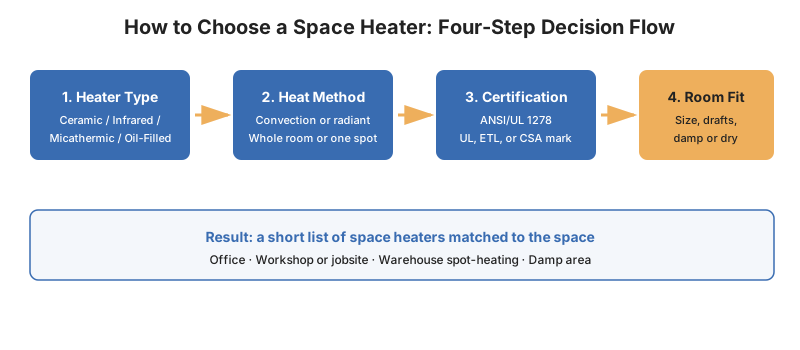
This guide breaks space heaters down into four choices: heater type, heat method, safety certification, and room size. Work through each one, and the right model becomes obvious.
What Space Heaters Do and Why the Type Matters
A space heater adds extra warmth to one room or one work area, not a whole building. Every space heater has to do three jobs at once.
- Produce steady heat. It must warm the air or the space near it without cycling on and off too often.
- Cover the right area. It must match its heat method to the size and shape of the room.
- Shut off safely. It must include automatic protection if it tips over or overheats.
An open warehouse bay stresses these jobs differently than a small desk nook. Picking the right type for that specific space is what keeps a heater safe, efficient, and actually warm.
Common signs of the wrong heater:
- The room still feels cold near the walls or corners.
- The unit cycles on and off constantly.
- The surface gets very hot to the touch.
- There is no tip-over or overheat shutoff.
Any one of these signs means it is time to check the spec. A quick swap often solves a problem that looks bigger than it is.
Space Heater Types: Ceramic, Infrared, Micathermic, and Oil-Filled
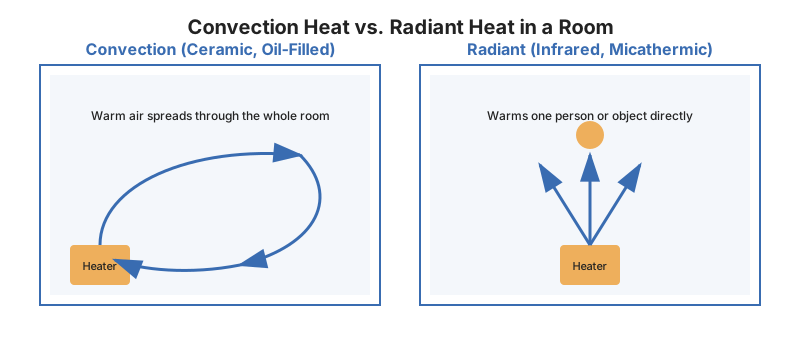
Electric space heaters warm a room through convection, radiant heat, or a mix of both.
Convection heaters warm the air and spread it around a room. Radiant heaters warm people and objects directly, similar to sunlight.
Ceramic Space Heaters
Ceramic space heaters are the most common convection type. An interior ceramic element warms the air, and a fan often circulates it. They come in a wide price range and are easy to find.
- Best for: general room heating and daily office or home use. - Works well paired with a fan for faster warm-up.
Infrared Space Heaters
Infrared space heaters, also called radiant heaters, target people and objects instead of the air. They are easy to spot by the red glow of the heating element.
- Best for: spot-heating one desk, chair, or work zone. - Keep it well clear of curtains, paper, and other flammable items.
Micathermic Space Heaters
Micathermic space heaters use flat panels made from mica, a mineral, to produce both convective and radiant heat. They warm up fast and spread heat evenly, though the panel surface runs hot.
Oil-Filled Space Heaters
Oil-filled space heaters, also called radiators, are sealed convection units. They heat interior oil, which releases warmth slowly and quietly.
- Best for: long, steady heating in occupied rooms. - No glowing element or exposed flame, so nearby items are less likely to ignite.
The table below compares the four types side by side.
Use it to narrow your pick before you check safety features.
| Heater Type | Heat Method | Warm-Up Speed | Surface Temperature |
|---|---|---|---|
| Ceramic | Convection | Fast | Moderate |
| Infrared | Radiant | Fast | Hot (glowing element) |
| Micathermic | Convection + radiant | Fast | Hot (panel surface) |
| Oil-Filled | Convection | Slow | Very hot, but no exposed flame |
Why Fuel-Burning Space Heaters Are Not Covered Here
Propane and natural gas space heaters exist for industrial and outdoor use, but they carry a real carbon monoxide risk indoors.
Even models with an oxygen-depletion sensor still carry that risk. This guide sticks to electric space heaters for that reason.
Electric models avoid combustion entirely, which removes the carbon monoxide question. That makes them the safer default for indoor use.
Safety Features and the ANSI/UL 1278 Standard
Every electric space heater sold for indoor use should meet ANSI/UL 1278, the safety standard for portable electric heaters, and three features matter most under it.
Tip-Over Protection
A tip-over switch shuts the heater off if it falls onto its side or face. ANSI/UL 1278 requires this switch only for heater designs that pose a fire risk when tipped, so coverage varies by model.
Overheat Protection
An overheat sensor shuts the heater down if it runs too hot inside, even while the unit sits upright and running as normal.
This protection works even if the tip-over switch never triggers.
Certification Marks
- Look for one of three marks: UL Solutions, ETL (Intertek), or CSA (Canadian Standards Association). - Each mark confirms outside lab testing against the same recognized safety standards.
Sizing a Space Heater to the Room
Bigger or drafty rooms need a convection-style space heater that can spread heat evenly across the whole area. A small desk nook or a single workstation suits a lower-output radiant model instead, since only one spot needs warmth.
Moving it around matters too. A heater that moves between rooms needs a handle or wheels, while a fixed spot only needs a stable, hard, nonflammable surface to sit on.
Matching Space Heaters to Your Application
Offices and Workspaces
Offices and shared workspaces usually do best with a ceramic space heater on a thermostat. It warms the whole room evenly and keeps the element well clear of paperwork.
Workshops and Jobsites
Workshops and jobsites often call for a rugged portable electric heater built for dust and knocks, always kept clear of paint, solvents, and sawdust.
Warehouses and Spot-Heating
Warehouses and large open bays often use targeted infrared units for spot-heating a single workstation. Heating the whole space would waste far more energy.
Damp or Bathroom-Adjacent Areas
Damp or bathroom-adjacent areas need a GFCI-protected outlet at minimum, since water and electric heat are a dangerous mix. A leakage-protected plug adds a second layer of protection on top of that.
Quick reference:
- Office: ceramic, convection, thermostat.
- Workshop: rugged portable electric, tip-over and overheat protection.
- Warehouse spot: infrared, targeted placement.
- Damp area: GFCI outlet, leakage-protected plug.
A thermostat pairs well with any of these choices. It holds a set temperature and cuts down on wasted cycling.
Frequently Asked Questions
Here are the questions buyers ask most often about space heaters.
What is the difference between ceramic and infrared space heaters?
Ceramic space heaters warm the air in a room through convection, often with a fan.
Infrared space heaters warm people and objects directly through radiant heat. Ceramic suits whole-room use, while infrared suits one fixed spot.
Are propane space heaters safe indoors?
Not for general indoor use. Propane and other fuel-burning heaters can produce carbon monoxide, and even units with an oxygen-depletion sensor still carry that risk. Electric models avoid the issue entirely.
What safety features should I look for?
Look for a tip-over shutoff switch, an overheat sensor, and a certification mark from UL, ETL, or CSA. A thermostat and timer help too, but neither replaces the two shutoff features.
Do I need a special outlet for a space heater?
Not usually, but avoid sharing an outlet or extension cord with the heater, since that raises overheating risk. In bathrooms or damp areas, use a GFCI-protected outlet as a minimum precaution.
Conclusion
Choosing the right space heater comes down to four questions, answered in order.
- Does the room need whole-space convection heat or one-spot radiant heat?
- What surface temperature and fire risk fits the space?
- Does the unit carry a UL, ETL, or CSA safety mark?
- Is the room dry, dusty, or damp, and does the plug match that space?
Work through heater type, heat method, safety certification, and room fit in that order. A confusing appliance aisle turns into a short list of space heaters that will run safely through the season.
Related Posts