

Showing 0 products
Frequently Asked Questions
What is a Molded Case Circuit Breaker (MCCB)?
A Molded Case Circuit Breaker (MCCB) is an electrical device designed to protect electrical circuits from overloads and short circuits. It is housed in a molded plastic case, which provides insulation and protection against environmental factors. MCCBs are typically used in industrial and commercial applications where higher current ratings are required, usually ranging from 15 to 2,500 amperes.
MCCBs function by automatically interrupting the flow of electricity when a fault condition is detected. They contain thermal and magnetic trip mechanisms: the thermal trip responds to prolonged overloads by using a bimetallic strip that bends under heat, while the magnetic trip reacts to short circuits by using an electromagnetic coil that quickly opens the circuit. This dual mechanism ensures reliable protection against both types of electrical faults.
MCCBs can also be equipped with adjustable trip settings, allowing users to customize the protection level based on specific application needs. Additionally, many MCCBs offer features such as auxiliary contacts, shunt trips, and communication capabilities for integration into more complex electrical systems.
MCCBs are essential for ensuring safety and reliability in electrical installations, preventing damage to equipment, and minimizing the risk of electrical fires. Their robust design and versatility make them a preferred choice for various applications, including motor protection, feeder circuits, and distribution panels. Overall, MCCBs play a critical role in modern electrical systems, providing essential protection and control.
How does an MCCB work?
A Molded Case Circuit Breaker (MCCB) is an electrical device designed to protect electrical circuits from overloads and short circuits. It operates by detecting excessive current flow and interrupting the circuit to prevent damage.
The MCCB consists of several key components: a molded case, an electromechanical mechanism, and a trip unit. The molded case houses the internal components and provides insulation. The trip unit is the heart of the MCCB, which can be thermal, magnetic, or a combination of both.
In thermal operation, the MCCB uses a bimetallic strip that bends when heated by excessive current. Once the bending reaches a certain threshold, it triggers the mechanism to open the circuit. This is effective for overload conditions.
In magnetic operation, a solenoid is used to detect short circuits. When a short circuit occurs, the sudden surge of current generates a magnetic field strong enough to pull a plunger, which instantly opens the circuit. This rapid response is crucial for protecting equipment from damage.
MCCBs also feature adjustable settings for current ratings and trip times, allowing customization based on the specific application. They can handle a wide range of current ratings, typically from 16A to 2500A, making them suitable for various industrial and commercial applications.
Additionally, MCCBs may include auxiliary features such as shunt trips, which allow remote operation, and alarm contacts for monitoring. Overall, MCCBs are essential for ensuring safety and reliability in electrical systems by preventing overloads and short circuits from causing damage or hazards.
What are the advantages of using MCCBs?
Molded Case Circuit Breakers (MCCBs) offer several advantages that make them a preferred choice in electrical systems.
Firstly, MCCBs provide reliable protection against overloads and short circuits, ensuring the safety of electrical circuits and equipment. They can be easily reset after tripping, which minimizes downtime and maintenance efforts.
Secondly, MCCBs are versatile and can be used in various applications, from residential to industrial settings. They come in a range of current ratings and trip settings, allowing for customization based on specific load requirements.
Another significant advantage is their compact design, which saves space in electrical panels. This is particularly beneficial in environments where space is limited, such as in commercial buildings or manufacturing facilities.
MCCBs also feature adjustable trip settings, enabling users to tailor the protection level according to the specific characteristics of the load. This flexibility helps in preventing nuisance tripping while ensuring adequate protection.
Additionally, many MCCBs come equipped with advanced features such as electronic trip units, which provide enhanced protection and monitoring capabilities. These features can include ground fault protection, phase failure detection, and communication interfaces for integration into smart grid systems.
Furthermore, MCCBs are designed for durability and can withstand harsh environmental conditions, making them suitable for outdoor and industrial applications. Their robust construction ensures a long service life, reducing the need for frequent replacements.
In summary, the advantages of using MCCBs include reliable protection, versatility, compact design, adjustable settings, advanced features, and durability, making them an essential component in modern electrical systems.
What are the different ratings available for MCCBs?
Molded Case Circuit Breakers (MCCBs) are rated based on several key parameters that determine their performance and suitability for various applications. The primary ratings include:
Current Rating (In): This is the maximum continuous current the MCCB can carry without tripping. It is typically expressed in amperes (A) and is crucial for selecting the right MCCB for a specific load.
Breaking Capacity (Icu/Ics): This rating indicates the maximum fault current the MCCB can interrupt without being damaged. Icu is the ultimate breaking capacity, while Ics is the service breaking capacity, which is the maximum fault current the breaker can interrupt and still remain operational.
Voltage Rating (Ue): This specifies the maximum voltage the MCCB can handle. It is essential for ensuring that the breaker can operate safely within the electrical system's voltage levels.
Frequency Rating: MCCBs are rated for specific frequencies, typically 50 Hz or 60 Hz, which is important for applications in different regions.
Thermal and Magnetic Trip Settings: MCCBs often have adjustable thermal and magnetic trip settings, allowing customization based on the application. The thermal trip protects against overloads, while the magnetic trip protects against short circuits.
Environmental Ratings: Some MCCBs are rated for specific environmental conditions, such as temperature ranges and humidity levels, ensuring reliable operation in various settings.
IP Rating: The Ingress Protection (IP) rating indicates the degree of protection against dust and moisture, which is vital for installations in harsh environments.
These ratings help in selecting the appropriate MCCB for specific applications, ensuring safety and reliability in electrical systems.
How do you select the right MCCB for an application?
To select the right Molded Case Circuit Breaker (MCCB) for an application, consider the following key factors:
Current Rating: Determine the maximum load current of the application. The MCCB should have a rated current that matches or exceeds this load, typically selected with a safety margin.
Short-Circuit Protection: Assess the prospective short-circuit current at the installation point. The MCCB must be rated to interrupt this current without damage. This involves selecting the appropriate breaking capacity (Icu) based on the system's fault level.
Voltage Rating: Ensure the MCCB is rated for the system voltage. It should match or exceed the operating voltage of the circuit to prevent insulation failure.
Number of Poles: Choose the number of poles based on the application (single-phase, three-phase, etc.). For three-phase systems, a three-pole MCCB is typically required.
Thermal and Magnetic Settings: Evaluate the thermal and magnetic trip settings. MCCBs often have adjustable settings to cater to different load conditions and provide protection against overloads and short circuits.
Environmental Conditions: Consider the installation environment, including temperature, humidity, and potential exposure to dust or corrosive elements. Select an MCCB with an appropriate IP rating for protection.
Standards and Certifications: Ensure the MCCB complies with relevant standards (e.g., IEC, UL) for safety and performance.
Additional Features: Look for features such as auxiliary contacts, shunt trips, or communication capabilities if needed for monitoring or control.
By carefully evaluating these factors, you can select an MCCB that ensures reliable protection and performance for your specific application.
What accessories can be used with MCCBs?
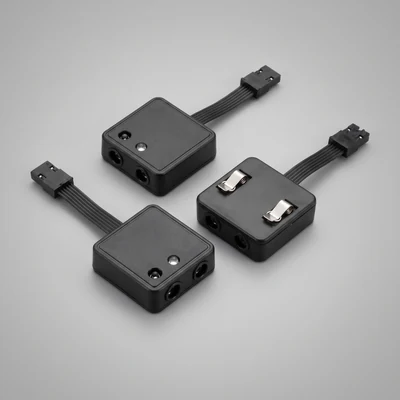
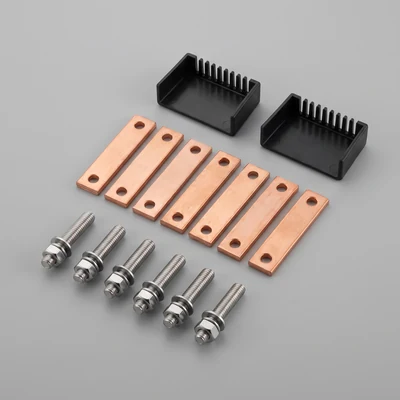
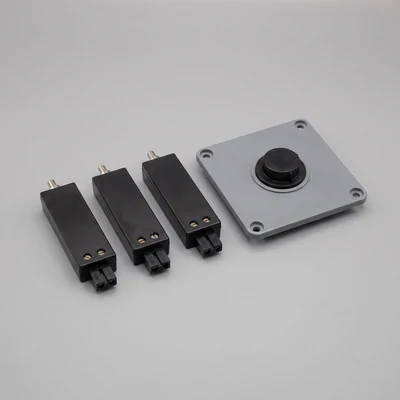
Molded Case Circuit Breakers (MCCBs) can be equipped with various accessories to enhance their functionality and adaptability in electrical systems. Key accessories include:
Shunt Trip: This device allows the MCCB to be tripped remotely by an external signal, such as from a fire alarm or safety system, providing an added layer of safety.
Under Voltage Release (UVR): This accessory automatically trips the MCCB when the voltage drops below a preset level, protecting equipment from damage due to low voltage conditions.
Auxiliary Contacts: These contacts provide additional signaling capabilities, allowing for remote monitoring of the MCCB's status (open or closed) and integration with control systems.
Alarm Contacts: Similar to auxiliary contacts, these provide alerts for specific conditions, such as overloads or faults, enhancing system monitoring.
Motor Mechanism: This accessory allows for remote operation of the MCCB, enabling it to be opened or closed from a distance, which is particularly useful in large installations.
Current Transformers (CTs): Used for measuring current, CTs can be integrated with MCCBs for monitoring and protection purposes, especially in larger systems.
Phase Failure Relay: This accessory detects the loss of one or more phases and can trip the MCCB to prevent damage to connected equipment.
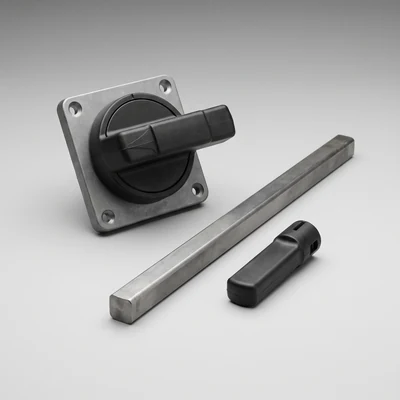
Locking Devices: These ensure that the MCCB cannot be accidentally operated, providing additional safety in critical applications.
By utilizing these accessories, MCCBs can be tailored to meet specific operational requirements, enhance safety, and improve system reliability.
How do you maintain an MCCB?
To maintain a Molded Case Circuit Breaker (MCCB), follow these key steps:
Regular Inspection: Periodically check the MCCB for any signs of physical damage, such as cracks or burn marks. Ensure that the enclosure is clean and free from dust and debris.
Tightening Connections: Inspect all electrical connections for tightness. Loose connections can lead to overheating and failure. Use a torque wrench to ensure connections are tightened to the manufacturer's specifications.
Testing Functionality: Conduct routine functional tests to ensure the MCCB operates correctly. This includes testing the trip mechanism by manually tripping the breaker and resetting it to confirm it functions as intended.
Thermal Imaging: Use thermal imaging cameras to detect hotspots that may indicate poor connections or overload conditions. This proactive measure can help identify issues before they lead to failure.
Cleaning: Keep the MCCB clean by removing dust and contaminants. Use a soft brush or vacuum to clean the exterior and ensure that ventilation openings are not obstructed.
Check Ratings: Verify that the MCCB is operating within its rated capacity. Overloading can lead to premature failure. Monitor the load regularly to ensure it remains within safe limits.
Replacement of Components: If any components show signs of wear or damage, replace them promptly. This includes trip units, contacts, and any other internal parts as specified by the manufacturer.
Documentation: Maintain a log of all maintenance activities, inspections, and tests performed. This documentation can help track the performance and reliability of the MCCB over time.
By following these maintenance practices, you can ensure the reliability and longevity of your MCCB, minimizing the risk of electrical failures.